Publications

Browse PTI technical publications

Find content by subject, editorial format, or publication date

Find technical publications by the powder behavior, material property, process, or measurement you are working with. You can also browse the latest releases, choose an editorial format, or open the complete publication catalog.


Publications

Browse PTI technical publications

Find content by subject, editorial format, or publication date

Find technical publications by the powder behavior, material property, process, or measurement you are working with. You can also browse the latest releases, choose an editorial format, or open the complete publication catalog.

Browse publications by technical subject

Browse by Subject

Find publications by powder behavior, material property, process, or measurement topic.

Latest PTI publications

Latest Publications

See the newest PTI publications first, regardless of technical subject or editorial format.

Browse publications by editorial format

Browse by Format

Choose Feature Articles, Insights, or Know How according to the depth and type of content you need.

Browse all PTI publications

All Publications

Open the complete PTI publication catalog, newest first, and continue loading older content as needed.

Latest from PTI

Recently published

The four newest PTI publications appear here automatically, regardless of subject or editorial format.
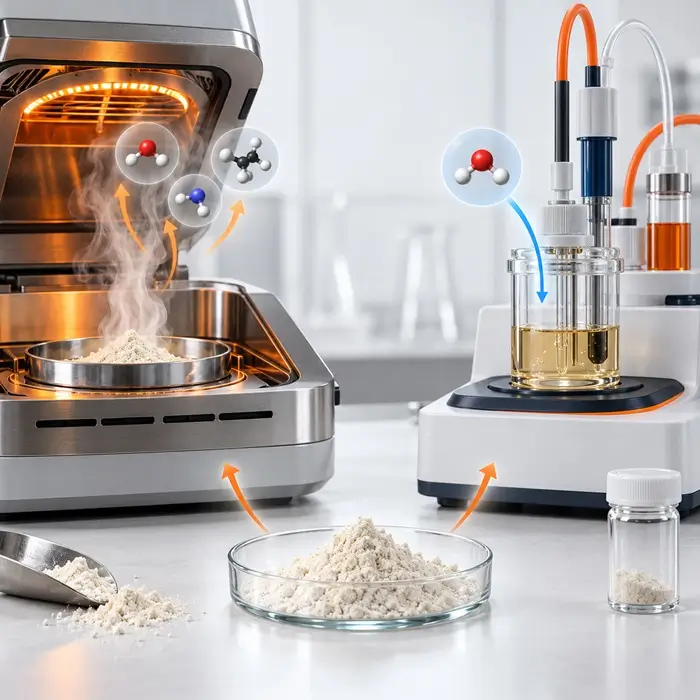
  • Laboratory comparison of loss on drying and Karl Fischer titration, showing total volatile mass loss versus selective water determination in a powder sample.
    29 October 2026

    Why Can Loss on Drying Read Higher Than Karl Fischer?

    Loss on drying measures mass lost under specified conditions; Karl Fischer (KF) [...]

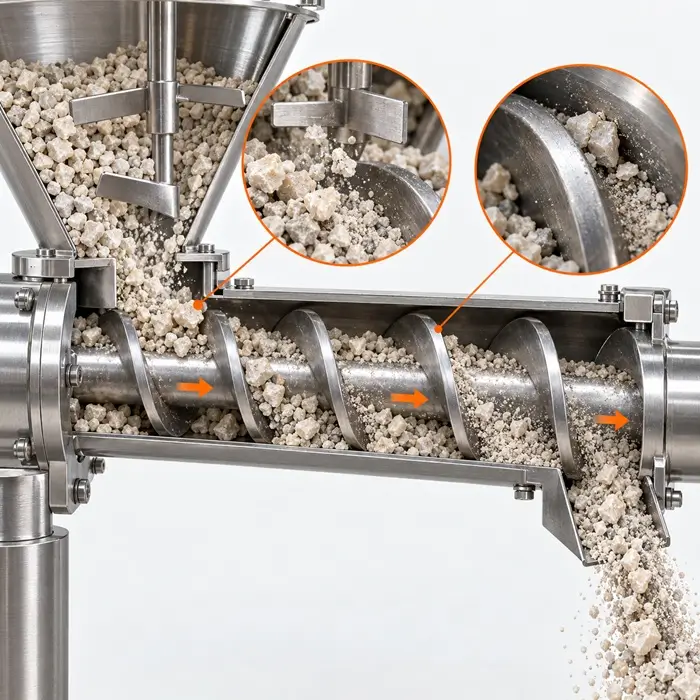
  • Cutaway of a screw feeder showing granule attrition near the hopper interface and screw-flight clearance, with more fines toward the outlet.
    28 October 2026

    Can a Screw Feeder Generate Fines Without Milling?

    Yes. A screw feeder can generate fines with no milling step anywhere [...]

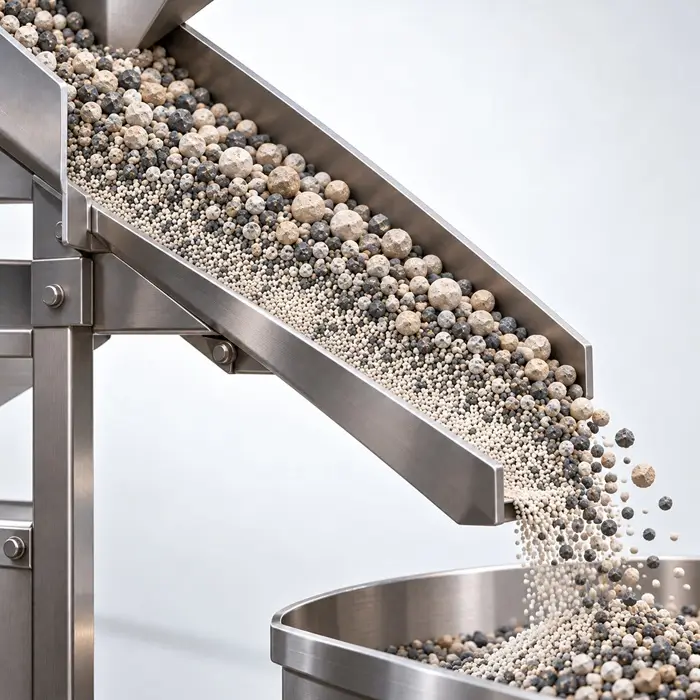
  • Granular blend flowing through an inclined chute, with fine particles concentrating near the base and larger particles migrating toward the free surface.
    27 October 2026

    Why Can a Uniform Blend Segregate in a Chute?

    A uniform blend can develop a particle-size gradient while flowing through a [...]

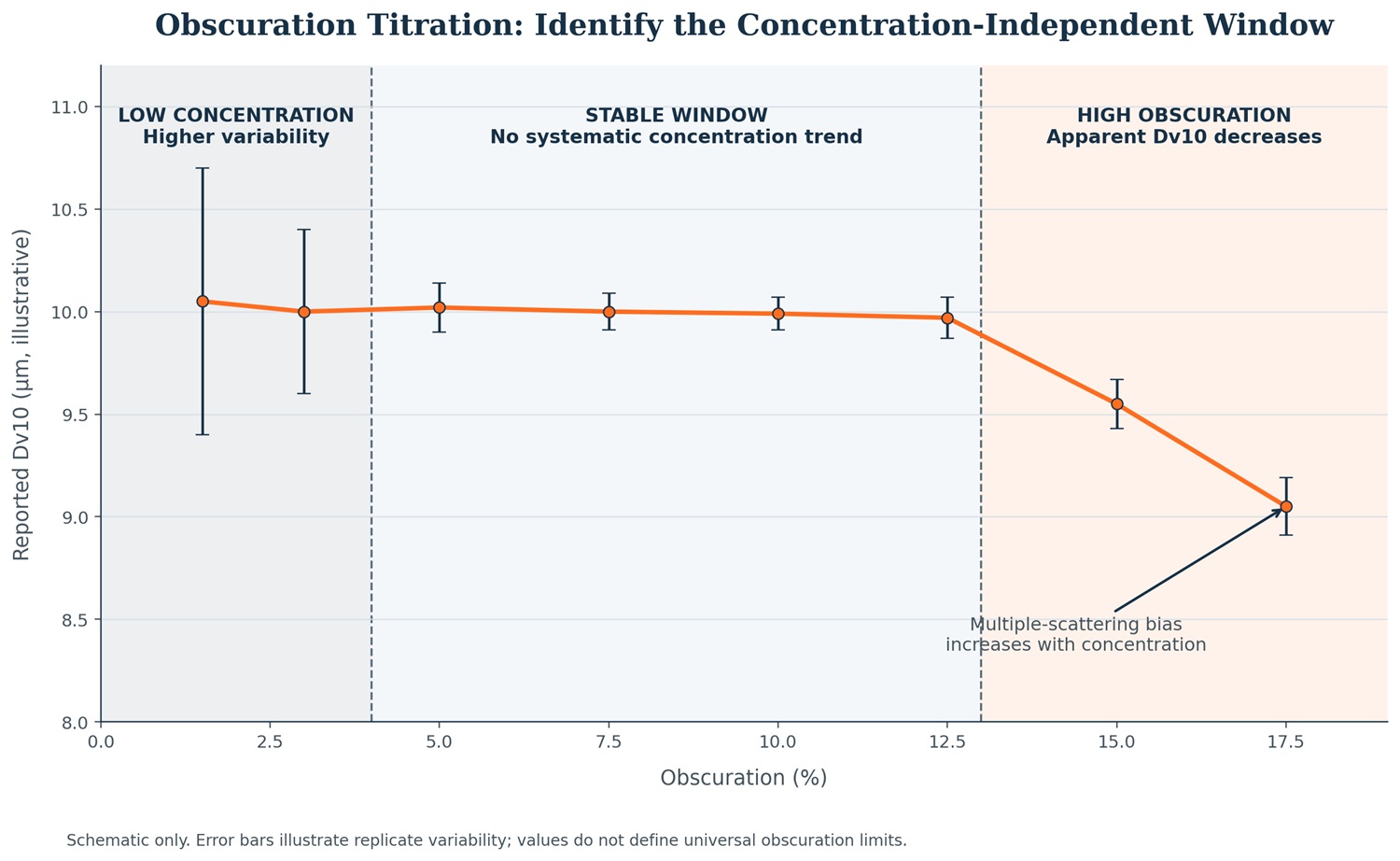
  • Illustrative Dv10 versus obscuration plot showing high variability at low concentration, a stable measurement window, and decreasing apparent Dv10 at high obscuration.
    26 October 2026

    Why Can Higher Obscuration Create False Fines?

    A finer PSD at higher obscuration does not automatically indicate better dispersion [...]

Browse by Subject

Find PTI content by technical subject

Choose the powder behavior, material property, process, or measurement behind the question. Each subject opens the corresponding PTI publication category, bringing related technical publications together in one place. Industries are intentionally omitted because PTI already provides dedicated industry pages.

Browse by format

Choose the depth and type of content

Feature Articles, Insights, and Know How are editorial formats within PTI publications. They are not separate technical destinations.
Feature Articles

Long-form technical analysis built around a defined engineering question, comparison, mechanism, process, or application.

Technical Briefs

Concise, practical explanations of focused powder and particle technology questions, mechanisms, measurement issues, and process challenges.

Insights

Focused interpretation of a study, method comparison, process result, standard, or emerging technical development.

Know How

Practical technical guides that go deeper into measurement, interpretation, equipment, and powder-behavior decisions.

Feature Articles

Long-form technical analysis

Recent Feature Articles examine a defined engineering question in greater depth, connecting mechanisms, measurements, process context, and interpretation where the subject requires it.

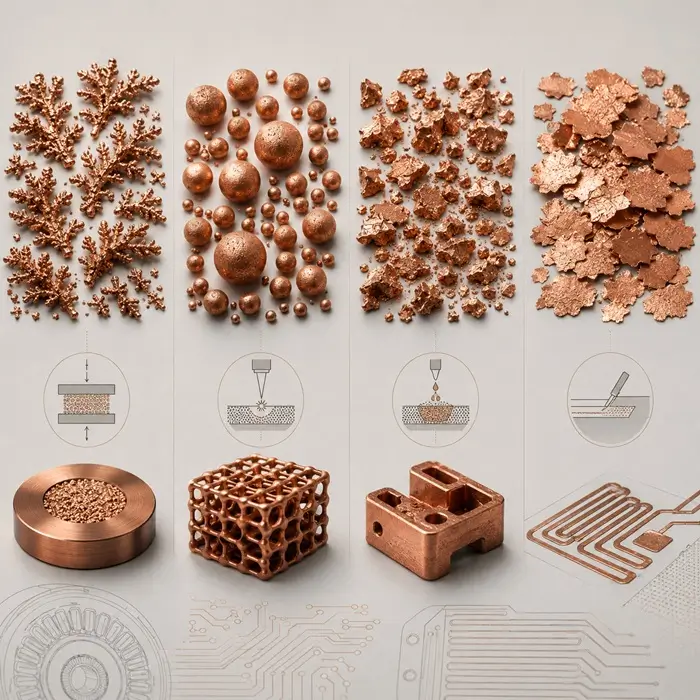
  • Technical comparison of copper powder morphologies used in electrification applications, including dendritic, spherical, irregular, and flake copper particles.
    27 June 2026

    Copper Powder for Electrification: Why Morphology, Purity, and Packing Density Are Now Engineering Variables

    Sintered contacts, additive manufactured heat exchangers, EV motor components, and conductive pastes each require a different copper powder. This article explains why morphology, particle size distribution, oxygen content, and packing density are engineering variables, and how to specify them correctly for electrification applications.

    Feature Article

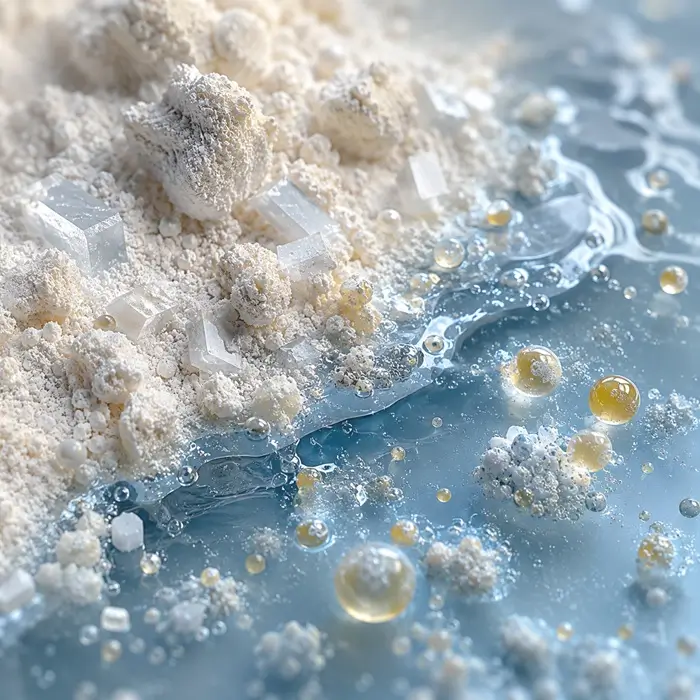
  • Macro view of pharmaceutical powder particles, crystals, and lipid droplets at the interface with an aqueous medium, illustrating surface contact and early dissolution of poorly soluble APIs.
    20 June 2026

    Poorly Soluble APIs: How Surface Contact Shapes Dissolution and Bioavailability

    Poorly soluble APIs now represent the majority of the pharmaceutical development pipeline. Dissolution and oral bioavailability are determined by molecular solubility, surface wetting behavior, solid-state stability, and how the formulation interacts with the GI environment from first contact onward. Amorphous dispersions, lipid systems, nanocrystals, and co-crystals each rely on different surface mechanisms to deliver their intended advantage.

    Feature Article

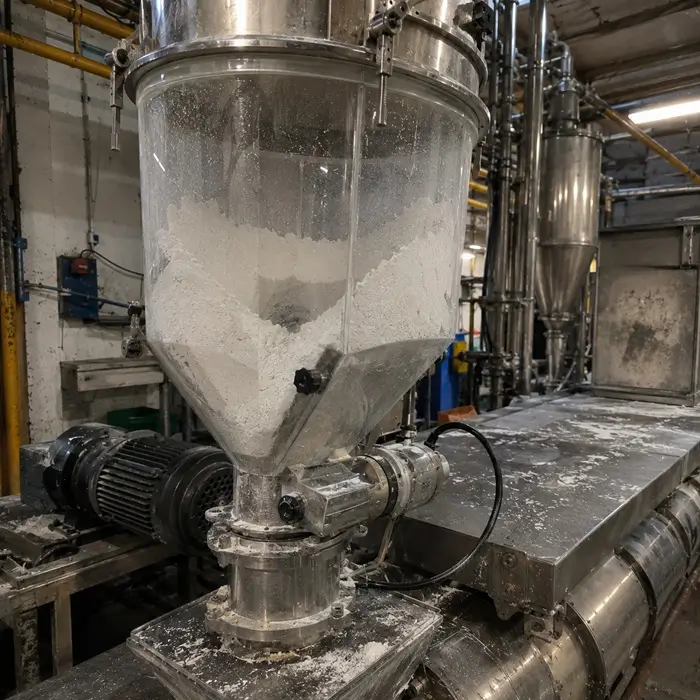
  • Calcium carbonate powder bridging inside a transparent feeder hopper on a polypropylene compounding line.
    13 June 2026

    Calcium Carbonate Powder in Polypropylene: Dust Suppression and Dosing Errors

    Dust suppression oil can reduce airborne calcium carbonate dust, but it may [...]

    Feature Article

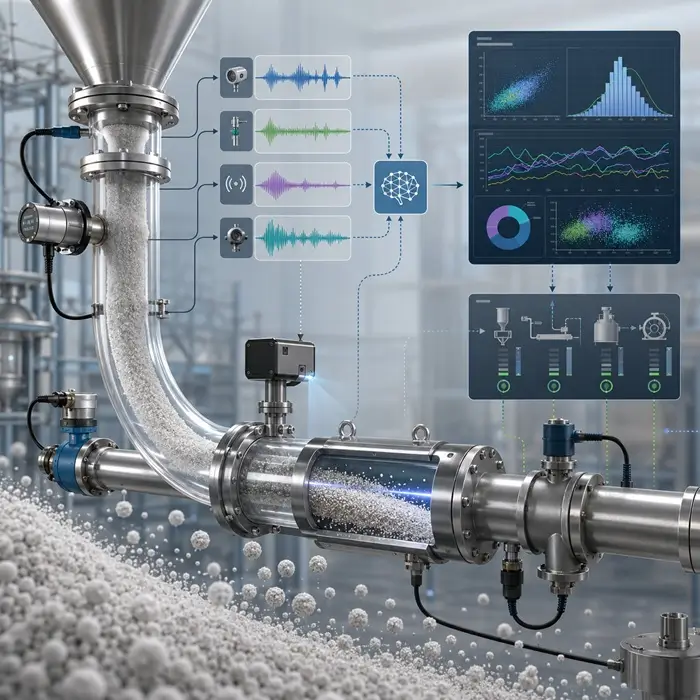
  • Real-time particle characterization system linking inline powder sensors, process data, and hybrid models for powder process control.
    6 June 2026

    Real-Time Particle Characterization and Process Control

    Real-time particle characterization is moving powder processing from delayed laboratory checks toward [...]

    Feature Article

Technical Briefs

Concise answers to focused technical questions

Recent Technical Briefs provide concise, practical explanations of focused powder and particle technology questions, covering specific mechanisms, measurement issues, processing challenges, and interpretation problems.

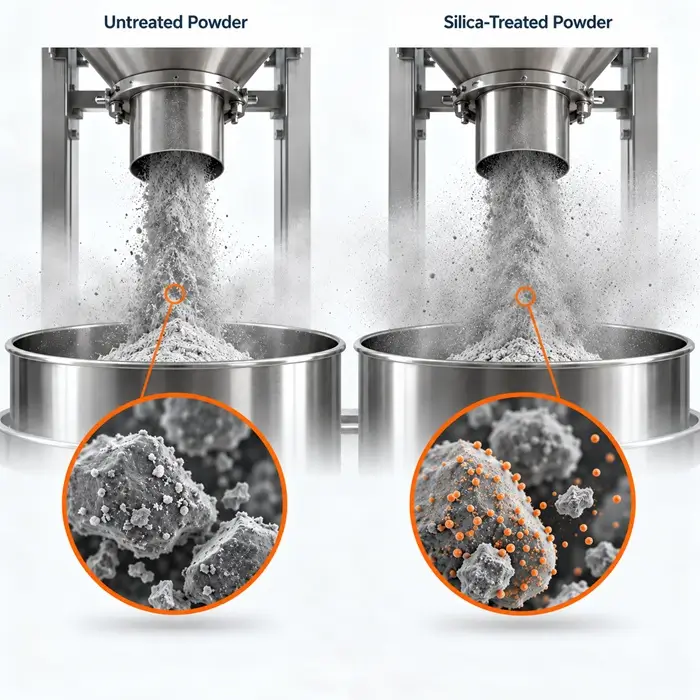
  • Comparison of untreated and silica-treated powder discharge, showing increased airborne dust and magnified silica particle detachment.
    20 October 2026

    Why Can Anti-Caking Agents Increase Dustiness?

    An additive that improves powder flow or caking resistance can also increase [...]

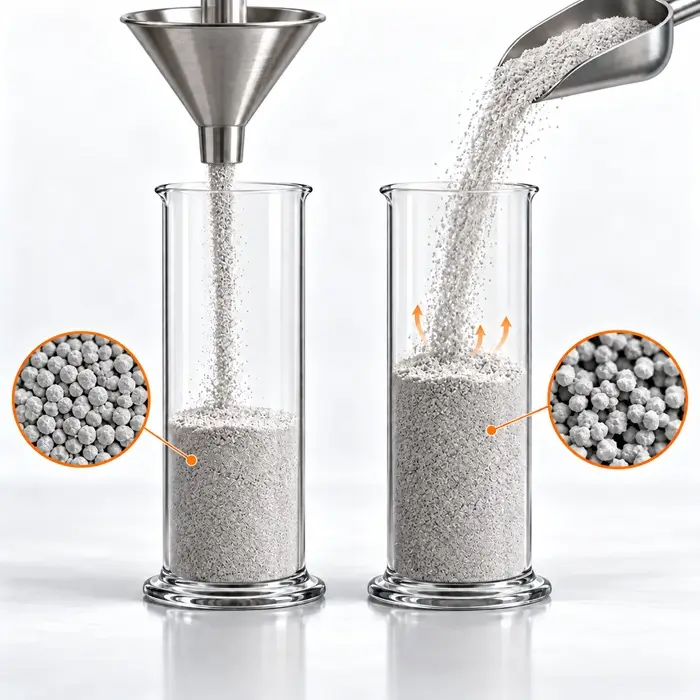
  • Comparison of funnel and scoop filling methods showing different powder bed heights and particle packing arrangements in identical measuring cylinders.
    19 October 2026

    Why Does Pouring Method Change Bulk Density?

    Loose bulk density depends on how powder enters the measuring container. Funnel [...]

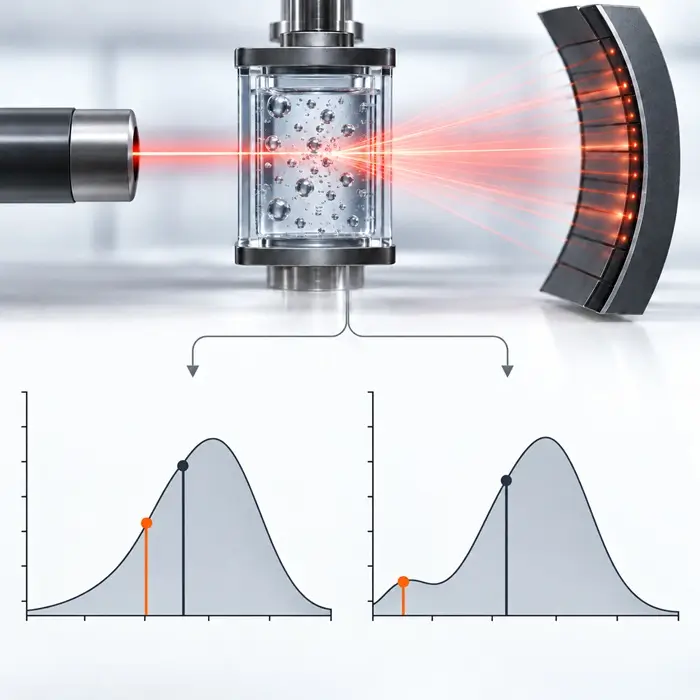
  • Laser diffraction illustration showing identical scattering data producing different particle size distributions, with a greater shift in D10 than D50 after changing optical settings.
    16 October 2026

    Refractive Index in Laser Diffraction: D10 vs D50

    Laser diffraction calculates particle size from measured scattering using an optical model [...]

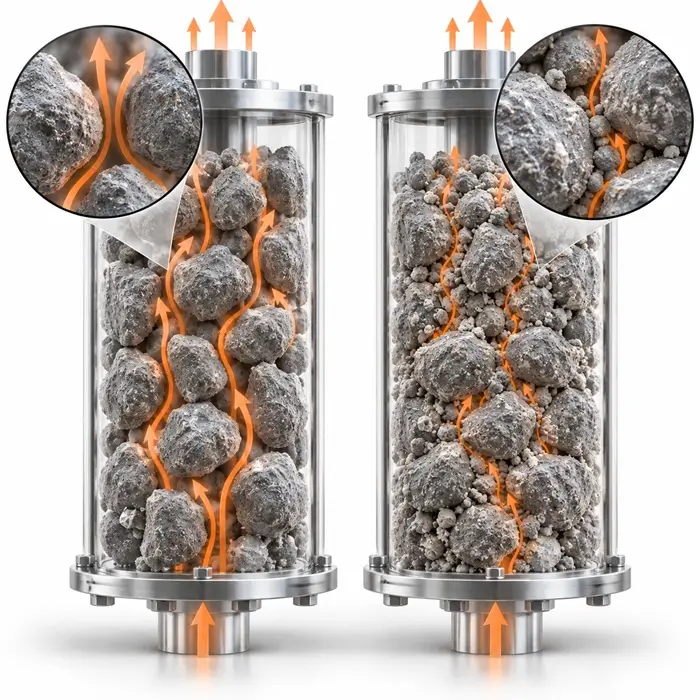
  • Comparison of powder beds before and after milling, showing how fines narrow pore throats and restrict airflow through connected voids.
    15 October 2026

    Why Can Permeability Fall After Milling?

    Milling can reduce powder-bed permeability even when the material meets its [...]

Insights

Focused technical interpretation

Recent Insights examine a study, method, process result, standard, or emerging technical development in a tighter editorial format.

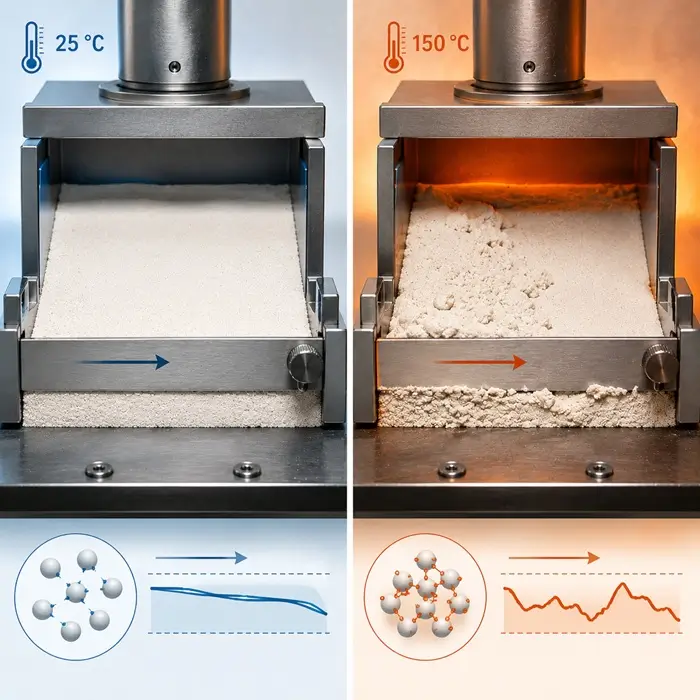
  • echnical comparison of powder flowability at 25°C and 150°C, showing smooth powder behavior at room temperature and clumped, uneven flow at elevated temperature.
    27 June 2026

    Powder Flowability at Elevated Temperature: Why Room-Temperature Results Don’t Predict Hot-Bed Behavior

    Temperature shifts surface energy, contact compliance, and residual moisture state in ways that can reverse a powder's ambient flow behavior. This Insight explains the dominant mechanisms across three temperature ranges and what elevated-temperature testing reveals for SLS powder beds, spray dryer outlets, and heated conveying systems.

    Insights

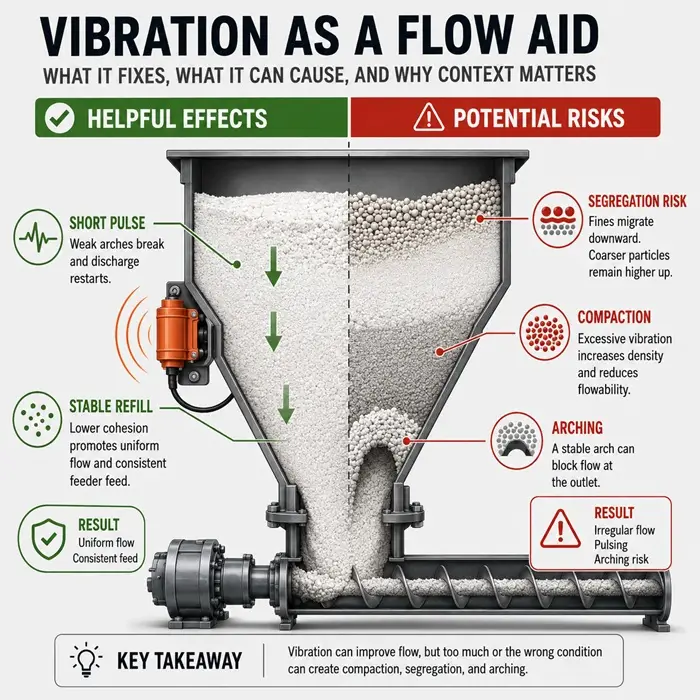
  • Technical diagram of vibration as a flow aid showing hopper discharge, compaction, segregation risk, and feeder stability.
    20 June 2026

    Vibration as a Flow Aid: When It Helps Powder Flow

    Vibration can improve powder discharge when it breaks a weak arch or [...]

    Insights

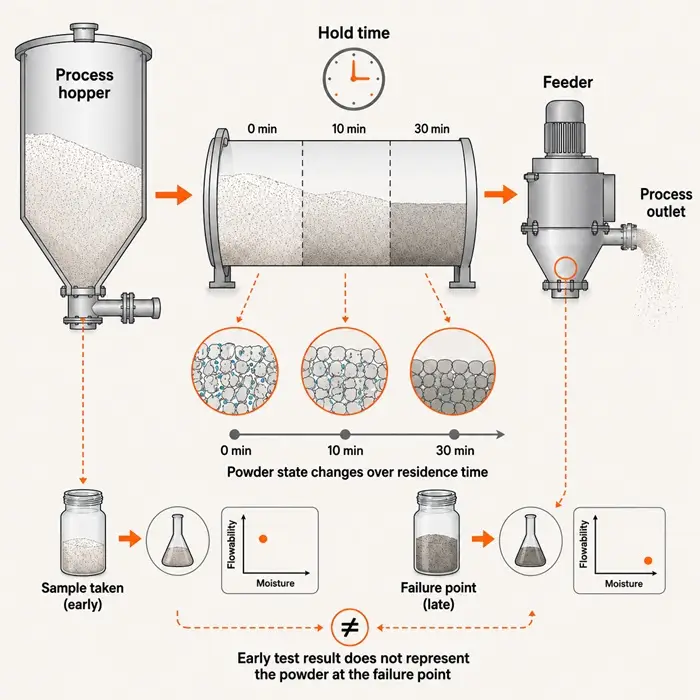
  • Powder residence time diagram showing how an early sample can differ from the powder state at the failure point
    13 June 2026

    Powder Residence Time Can Make the Test Result Miss the Failure

    Powder residence time matters because the sample and the failure often describe [...]

    Insights

  • Technical illustration comparing stable hopper discharge at adequate fill level with unstable powder flow, arching risk, and pulsing at low fill level.
    6 June 2026

    Why Hopper Fill Level Changes Powder Discharge

    Do not diagnose a feeder as if the hopper sends it one [...]

    Insights

Know How

Practical technical guidance

Recent Know How publications focus on practical measurement, method selection, interpretation, equipment, and technically useful working guidance.

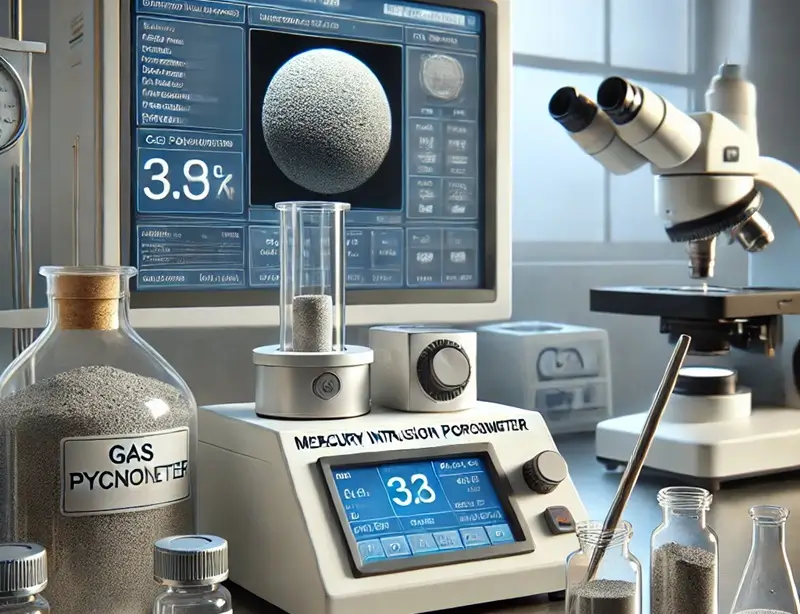
  • Porosity Testing
    1 February 2025

    Porosity Testing in Powders

    Introduction Porosity Testing Porosity plays a critical role in powder processing, influencing [...]

    Know How

All Publications

The complete PTI publication catalog

Browse all published PTI content, newest first. Use the subject index above when you know the technical topic, or the structured PTI hubs when you want a guided route through a problem, property, measurement, process area, or industry.
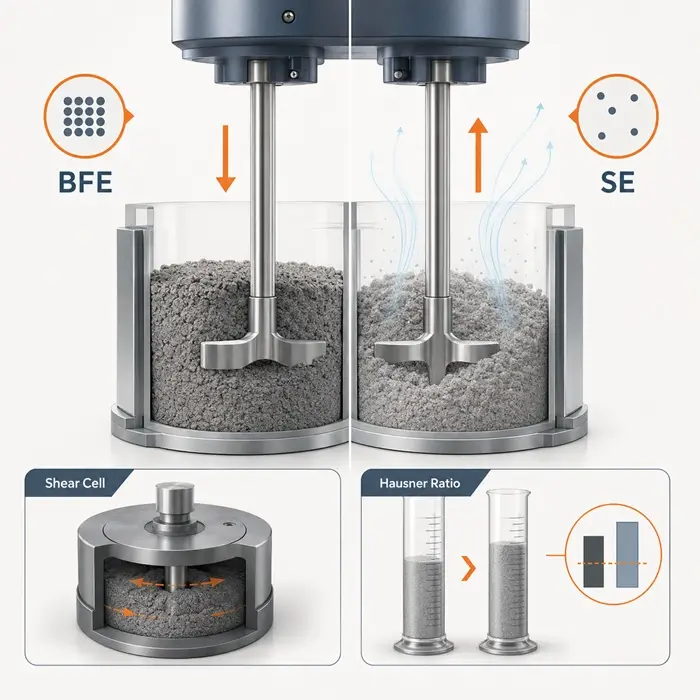
  • Technical illustration of dynamic powder testing, showing a rotating blade moving through a powder bed to compare confined flow energy, low-confinement specific energy, and aeration-sensitive behavior.
    1 August 2026

    Dynamic and Aerated Powder Testing: What Flow Energy Adds Beyond the Shear Cell and Hausner Ratio

    Dynamic and aerated powder testing measures basic flow energy and specific energy to fill the gap between shear cell consolidation data and Hausner ratio screening, particularly for fluidized processing and rapid-refill feeding.

    Know How

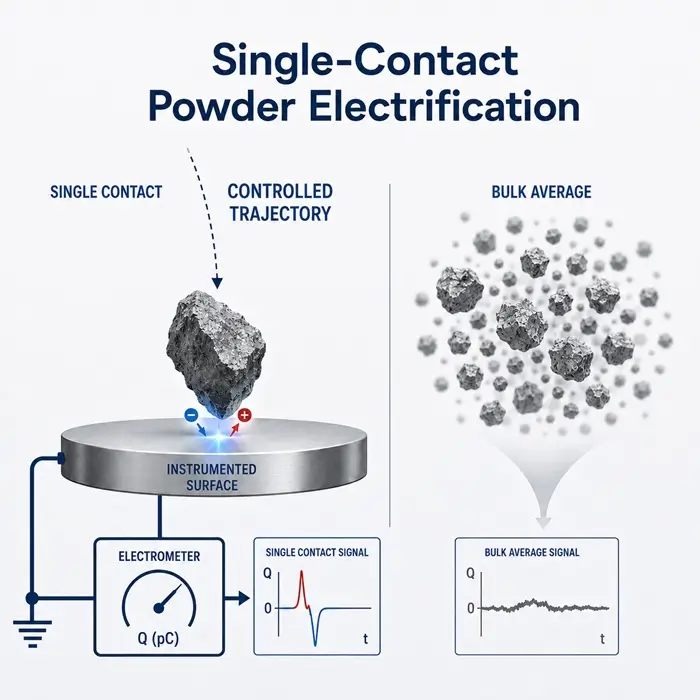
  • Technical editorial diagram showing single-contact powder electrification versus bulk average measurement, with one particle contacting an instrumented surface and the resulting signal compared with a bulk powder response.
    1 August 2026

    Single-Contact Electrification Testing: Isolating Charge Transfer Per Contact

    Single-contact electrification apparatus measures charge transfer from one controlled particle-surface or particle-particle contact, isolating a variable that bulk triboelectric and charge decay measurements can only report as an average.

    Insights

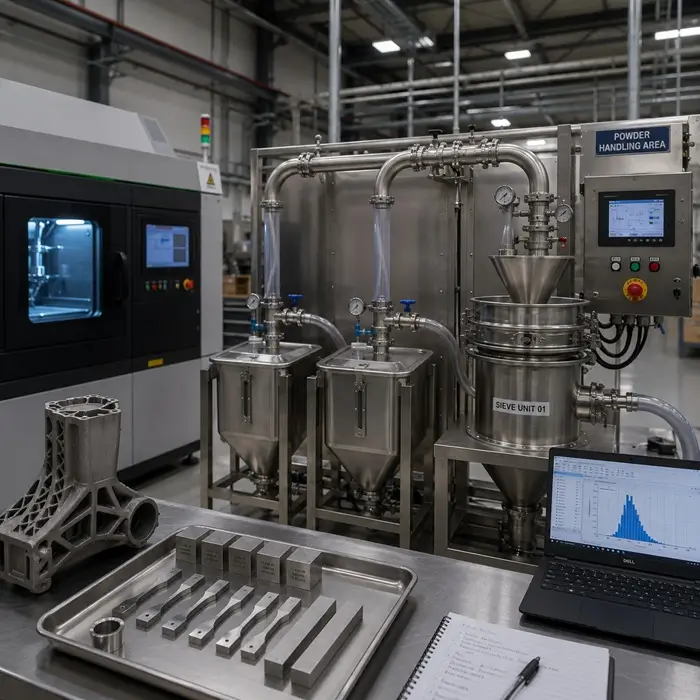
  • Virgin and recovered Ti-6Al-4V powder hoppers connected to a metal PBF-LB system for controlled aerospace powder reuse qualification.
    1 August 2026

    Virgin-to-Reused Powder Blend Ratios in Aerospace PBF-LB Qualification: Where the Decision Actually Sits

    As aerospace metal additive manufacturing capacity expands, more reused powder is going back into qualified builds. The virgin-to-reused blend ratio decision depends on PSD shift, satellite formation, and morphology drift, and cannot be settled by a single powder check disconnected from the part's stress state.

    Feature Article

  • Diagram showing roller compaction ribbon solid fraction governed by mass feed rate, nip angle and roll force
    25 July 2026

    Roller Compaction Ribbon Solid Fraction: Why the Same Roll Force Can Produce Different Granules

    Two lots that pass the same incoming flowability spec can still granulate differently after roller compaction. The reason usually traces to ribbon density, which responds to roll force, gap width, and feed screw speed as an interacting set, not to roll pressure in isolation.

    Insights

  • Dense-phase vs dilute-phase pneumatic conveying pipeline with bend and diverter valve in an industrial powder processing plant
    25 July 2026

    Dense-Phase vs Dilute-Phase Pneumatic Conveying: Matching Conveying Mode to Attrition and Segregation Risk

    Dense-phase and dilute-phase pneumatic conveying create different particle contact mechanics, and the resulting attrition and segregation risk depends on velocity, solids loading ratio, and the powder's own attrition sensitivity, not on a fixed assumption about which mode is gentler.

    Feature Article

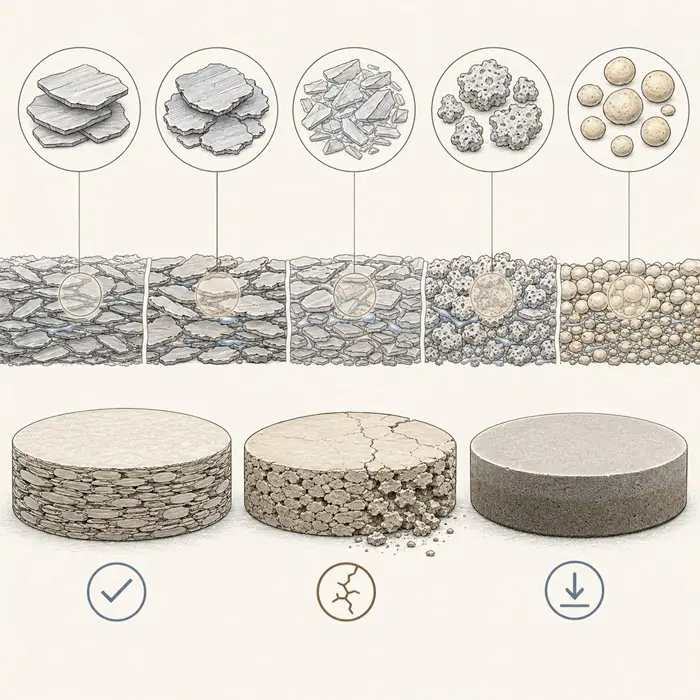
  • Technical illustration comparing how different cosmetic powder particle shapes affect packing and pressed-cake performance.
    18 July 2026

    Preparing for an EU Talc Ban: What Mineral and Starch Alternatives Need to Match

    Talc's expected EU restriction is forcing cosmetic formulators toward mica, kaolin, silica, and starch. None of them reproduce talc's platelet slip, oil absorption, and low dustiness at the same time, and each substitution changes flow and compaction behavior in pressed powder products differently.

    Insights

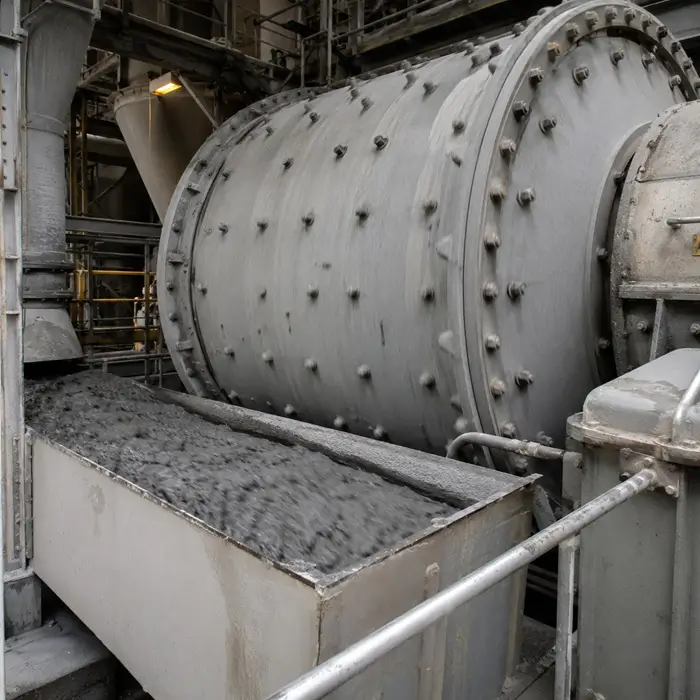
  • Industrial cement grinding mill processing clinker inside a dusty cement production plant.
    18 July 2026

    Cement and Concrete Powder Processing: Fineness, Grinding Aids, and Cementitious Reactivity

    Cement fineness is not a single number. Blaine surface area, particle size distribution, grinding aid chemistry, and moisture history each pull on hydration reactivity in different ways, and a fineness specification that ignores any one of them will eventually let a bad batch through.

    Feature Article

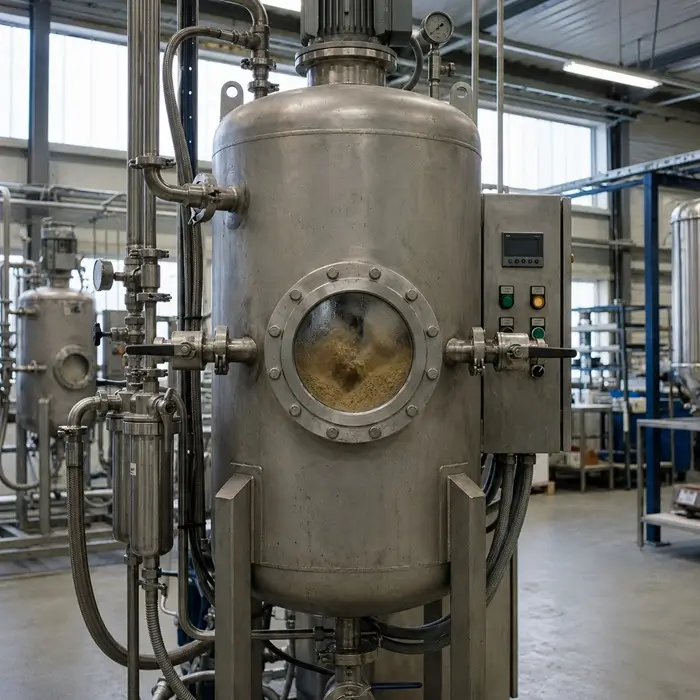
  • Industrial fluidized bed processor with powder moving behind a circular sight glass.
    11 July 2026

    Fluidized Bed Processing in Powder Technology: Granulation, Coating, and Drying Through a Powder Behavior Lens

    Geldart classification, minimum fluidization velocity, bubble dynamics, droplet-to-particle size ratio, and permeability all determine whether a fluidized bed process delivers controlled granule growth, uniform coating, or consistent drying at production scale.

    Feature Article

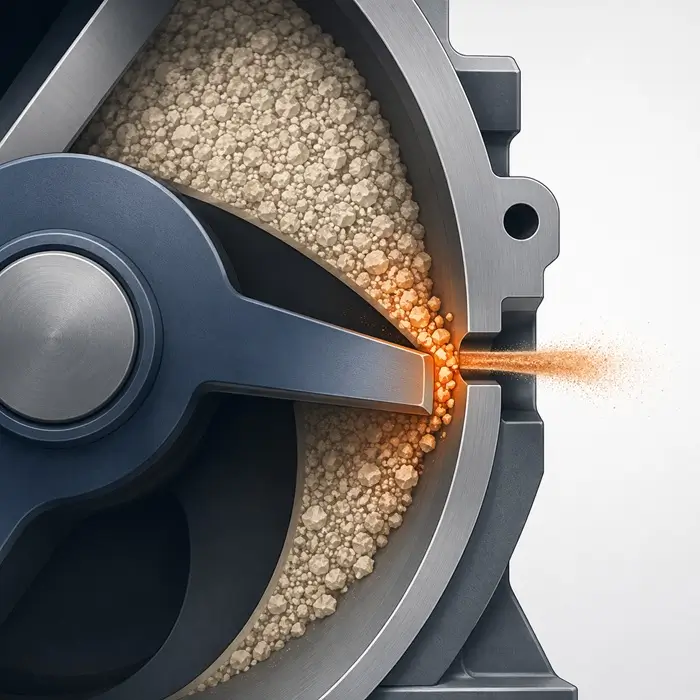
  • Technical cutaway of a rotary airlock showing particle attrition at the rotor tip and fine-particle leakage through the clearance.
    11 July 2026

    What Rotary Airlocks Actually Do to Powder

    Rotary airlocks function as pressure boundaries as much as metering devices. The rotor tip clearance governs particle attrition at the nip zone and the rate of fine-particle bypass under differential pressure. As clearance widens through wear, the downstream particle size distribution shifts in a pattern frequently misread as upstream process variation.

    Insights

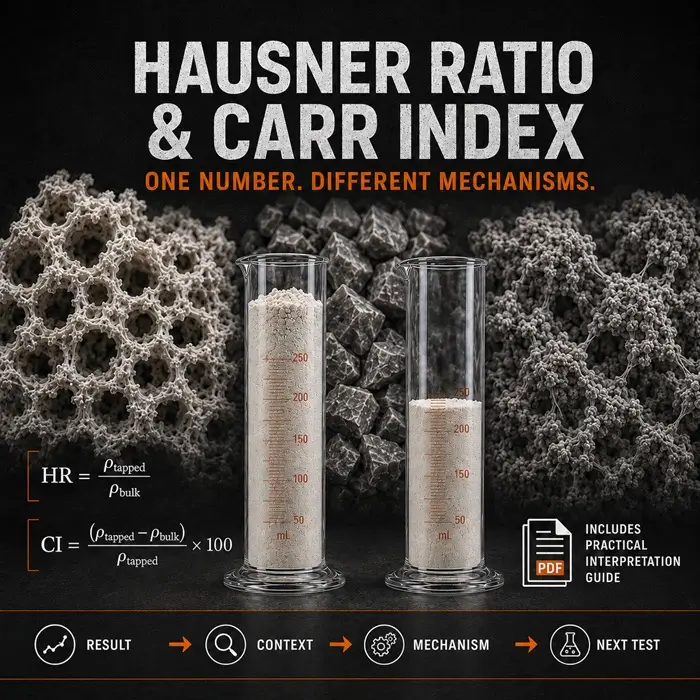
  • Technical hero image for a PowderTechnology.info Monthly Know-How on Hausner Ratio and Carr Index, showing two graduated cylinders with loose and tapped powder, three different powder mechanism backgrounds, the Hausner Ratio and Carr Index formulas, a workflow from result to next test, and a reference to an included practical interpretation guide.
    4 July 2026

    Hausner Ratio and Carr Index: What the Numbers Tell You and Where They Break Down

    Both the Hausner Ratio and Carr Index reduce bulk and tapped density to a single number. The mechanism behind that number, whether aeration, particle shape, or surface cohesion, determines whether it supports a process decision or actively misleads one.

    Know How

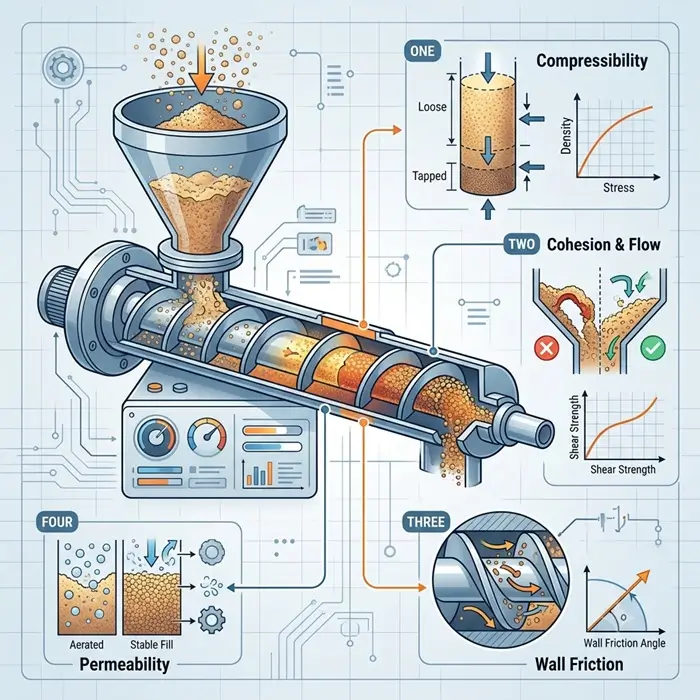
  • Technical illustration showing how compressibility, cohesion, wall friction and permeability affect powder filling and movement inside a screw feeder.
    4 July 2026

    Screw Feeder Dosing Accuracy and Powder Compressibility: Why the Same Screw Behaves Differently on Similar Products

    The same screw feeder at the same speed can deliver consistently on one powder and drift by several percent on another. The difference lies in compressibility, wall friction, and cohesion, and in how bulk density shifts as the hopper empties.

    Insights

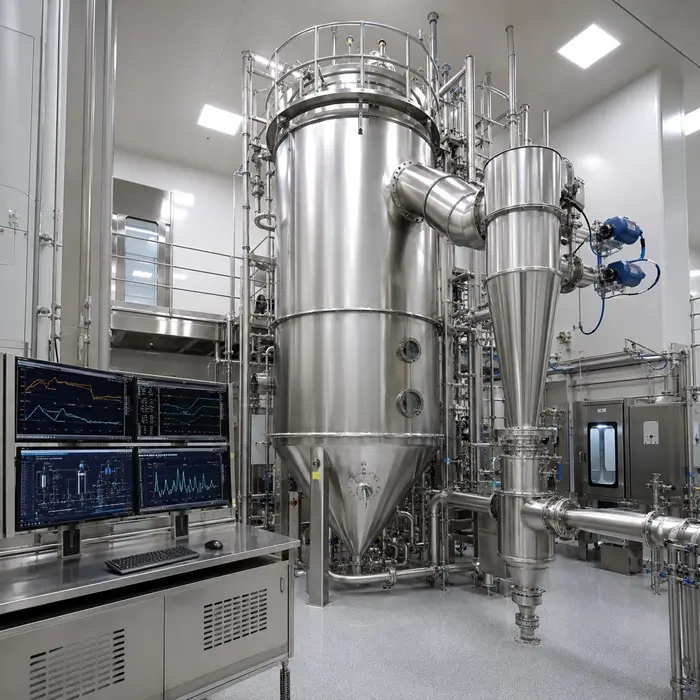
  • Photorealistic view inside a pharmaceutical spray drying facility with a stainless steel spray dryer, cyclone separator, product collection lines, inline NIR sensor probes and process monitoring screens.
    4 July 2026

    Spray Drying 4.0: Real-Time PAT, AI Process Control, and What Engineers Actually Gain

    Process analytical technology combined with machine learning is changing residual moisture control and yield prediction in pharmaceutical and food spray drying. The gains are real but bounded, and the off-line test panel has not been replaced.

    Feature Article

FeedSpot Materials Science Blogs recognition badge

External recognition

Recognized in FeedSpot’s 2026 Materials Science Blogs list

PowderTechnology.info ranked #5 in FeedSpot’s 2026 Materials Science Blogs Top 7.
Independent recognition of PTI within the materials science publishing field.

Testing support

Need the measurement, not just the article?

If the publications help narrow the technical question but the decision still depends on measured powder behavior, Delft Solids Solutions can help define an appropriate test plan and interpret the result. Explore Delft Solids Solutions testing support →


Delft Solids Solutions logo