
Troubleshooting Hub
Start with the problem you can see, then work back to the mechanism behind it
Find the route from visible symptom to likely cause

A symptom is not a diagnosis. Start with what you can observe, then use process location, likely mechanisms, measurements, and relevant PTI guidance to narrow the cause before changing the material or the process.
Troubleshooting Hub
Start with the problem
you can see, then work back
to the mechanism behind it
Find the route from visible symptom to likely cause
A symptom is not a diagnosis. Start with what you can observe, then use process location,
likely mechanisms, measurements, and relevant PTI guidance to narrow the cause before
changing the material or the process.



Find your route
Start with the problem, then the process area
Choose the closest problem family to what you can observe, then select where it is happening. The result names mechanisms worth separating, a useful first measurement route, the relevant problem page and supporting reading where PTI already has a strong article. It is a triage route, not a diagnosis.
- 1Problem
- 2Process area
- 3Route
Step 1 What are you seeing?
Choose the closest observable problem. The five specialist process problems are marked separately.
Step 2 Where is it happening?
Process location changes which mechanisms deserve priority, even when the visible symptom is the same.
Step 3 Your diagnostic route
Problem families
Start with the problem you can observe
Choose the closest problem family to what you can observe. Each page works from the visible behavior to the mechanisms worth separating, the measurements that can distinguish them, and the next diagnostic step.
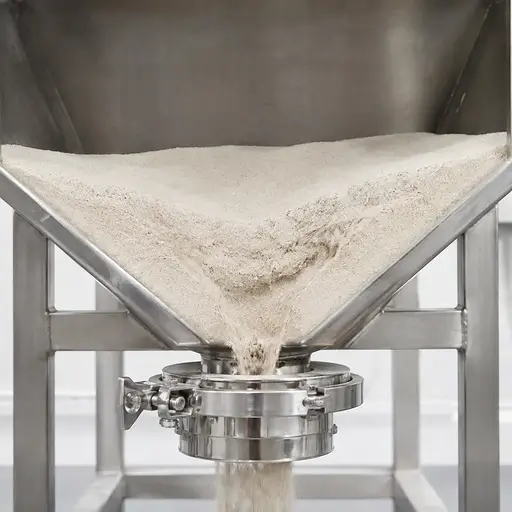 Poor flow and dischargeSlow, erratic or blocked discharge from hoppers, bins and process equipment.
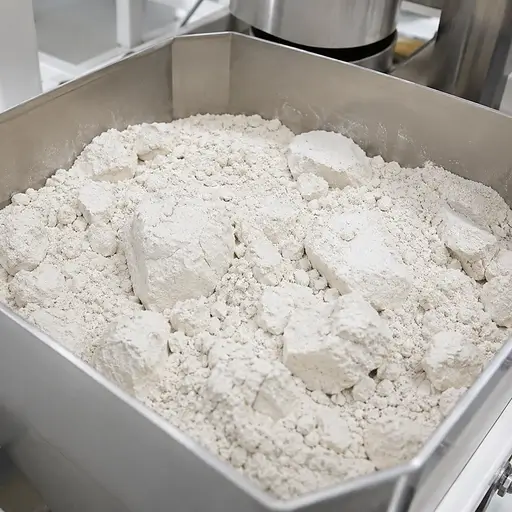 Caking and hardened bedsPowder hardens, forms cakes or develops persistent consolidated beds during storage or processing.
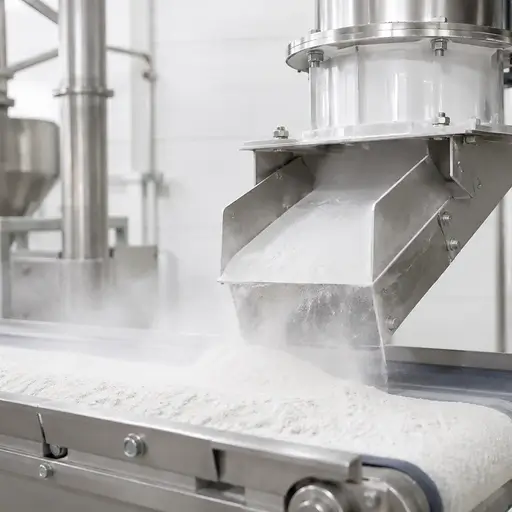 Dust and fines releaseFine particles release during handling, transfer or processing, or increase through generation.
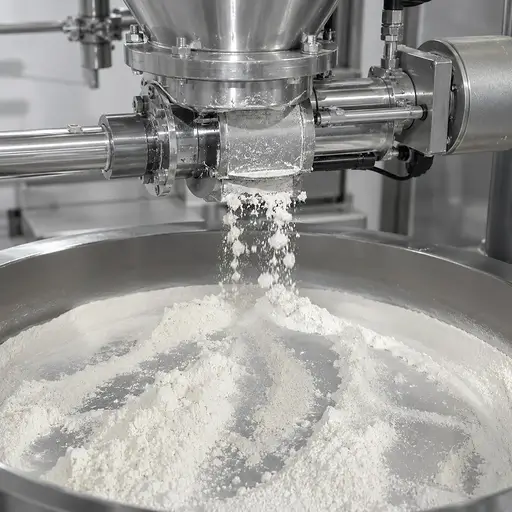 Feeding, dosing and batching variationMaterial delivery becomes unstable, inaccurate or inconsistent between feeds or batches.
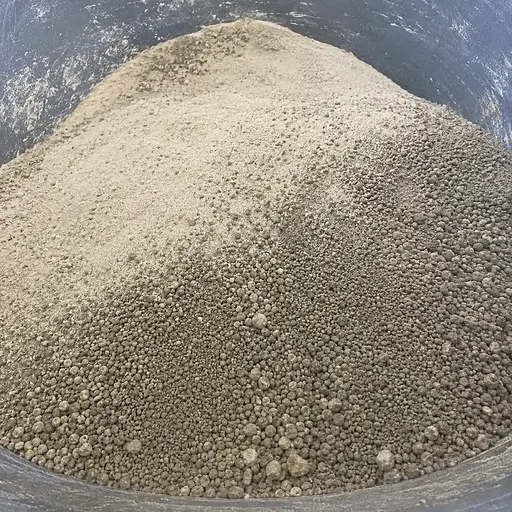 Segregation and blend inconsistencyParticle fractions separate, causing demixing, composition drift and blend inconsistency.
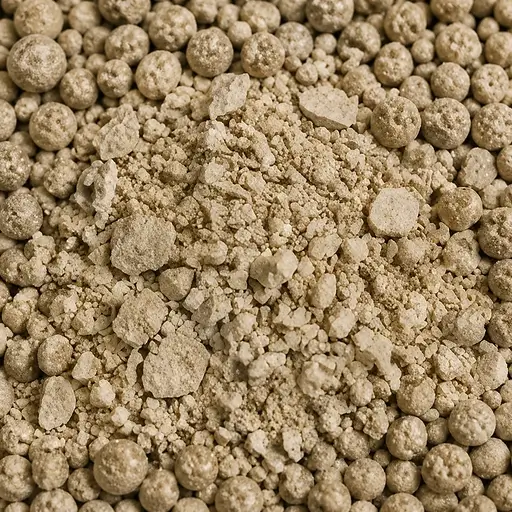 Attrition, breakage and wearParticles fracture or abrade during handling, increasing fines and changing product condition.
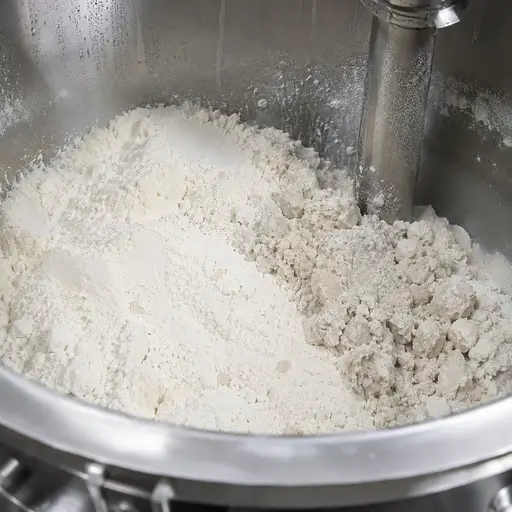 Moisture and environmental sensitivityHumidity, temperature or atmosphere changes alter powder behavior, stability or handling.
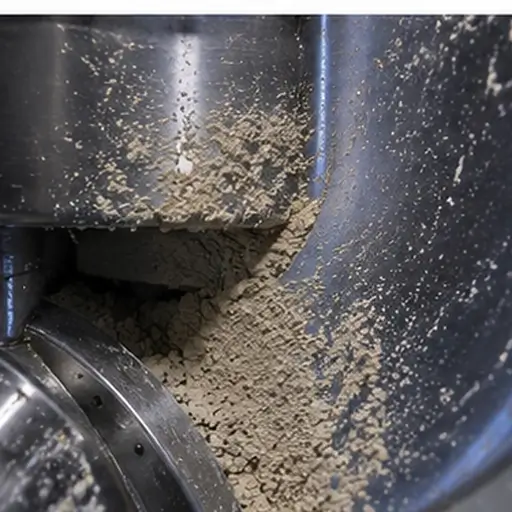 Electrostatic chargingCharge builds during contact and movement, changing adhesion, flow or particle behavior.
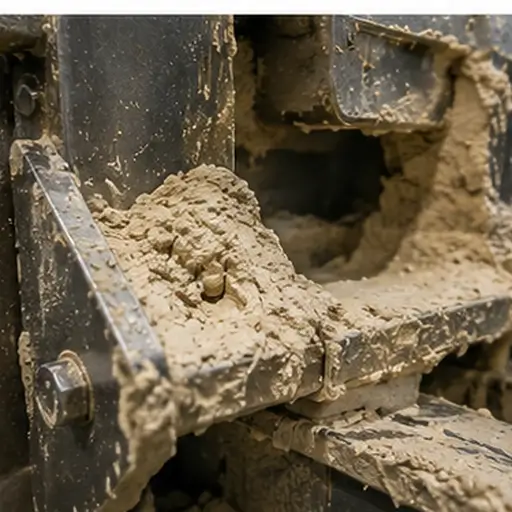 Adhesion, sticking and foulingPowder sticks to surfaces, builds up on equipment or creates persistent deposits.
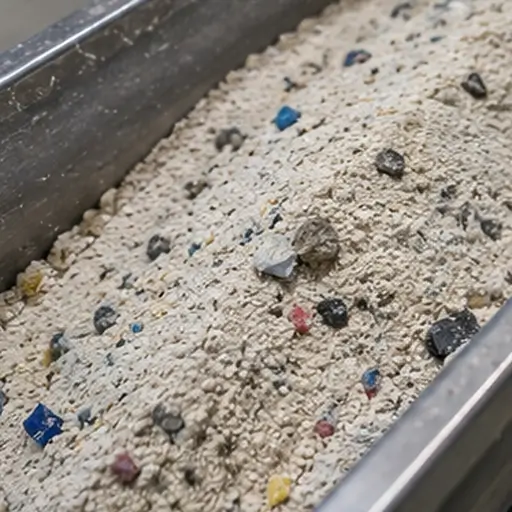 Contamination and purity problemsForeign material, carryover or process-derived particles compromise product purity.
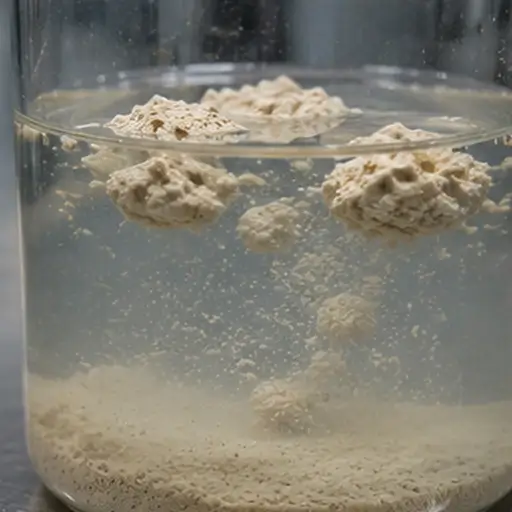 Wetting, dispersion and dissolutionPowder resists wetting, disperses poorly or dissolves more slowly than required.
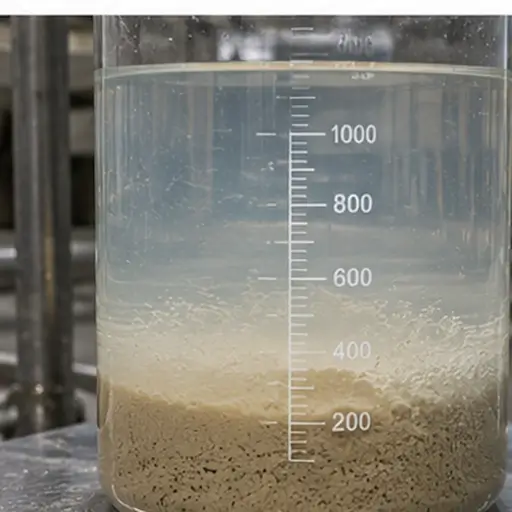 Slurry, settling and dewateringSuspensions settle, separate or retain liquid in ways that disrupt wet processing.
Specialist process problems
Some failures are defined by the unit operation itself. These five specialist routes combine several master powder behaviors without forcing the process outcome beneath one family. Use them when the unit operation itself defines the failure, then return to the relevant master problems and measurements to separate the cause.
 Forming and densification problemsPacking or compaction varies, changing density, strength or dimensional consistency.
 Spreading and deposition problemsPowder layers form unevenly or deposit inconsistently during spreading and coating operations.
 Bonding and transformation problemsParticles, fibres or layers fail to develop the required bonding, cure or transformed structure.
 Liberation and separation problemsComponents remain attached or separate inefficiently, limiting recovery and product purity.
 Thermal and reactive stability problemsMaterial self-heats, oxidizes, or changes chemically during storage or prolonged thermal exposure.
Technical routes
Continue from what you already know
Move directly into process or measurement routes when the diagnostic question is already clear. If the process used to work, first compare what changed before the symptom appeared.

Need the measurement, not just the guidance? PowderTechnology.info works closely with Delft Solids Solutions,
a contract research organization specializing in the physical behavior of powders and granules. DSS provides
contract testing and characterization, with its laboratory working in accordance with ISO 17025.
Contact Delft Solids Solutions.