
Triboelectric Particle Back-Flow in Pneumatic Conveying: Why Charged Particles Migrate Upstream at Duct Corners

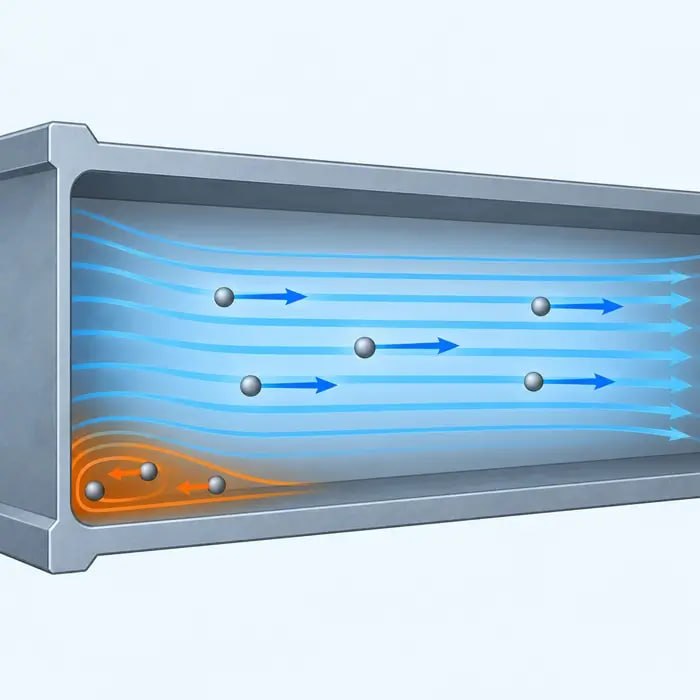
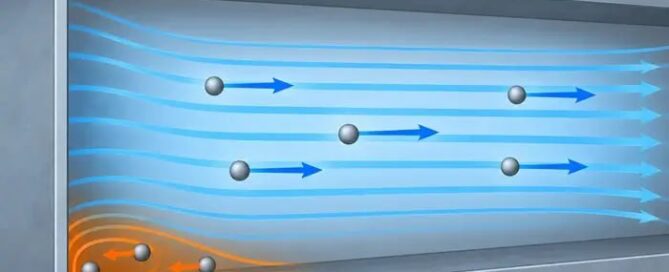
CFD-DEM simulations show triboelectrically charged particles can reverse direction in low-drag duct corner zones during pneumatic conveying, with the delay between feed pulses driving the effect more than pulse length.
Triboelectric Separation: Using Charge Difference to Sort Plastics and Minerals Instead of Fighting It

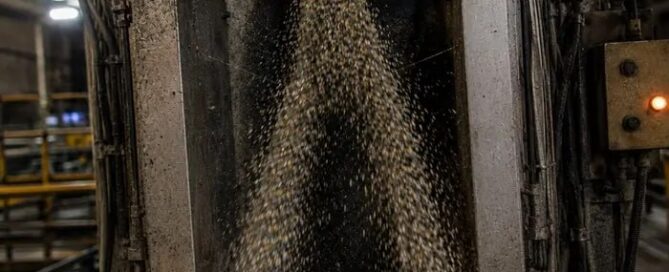
Triboelectric separation turns contact electrification from a handling hazard into a deliberate sorting mechanism. This article covers how material pairs are selected by charge polarity, what feed moisture and particle size do to separation efficiency, and where the technique sits relative to density and optical sorting.

Single-Contact Electrification Testing: Isolating Charge Transfer Per Contact

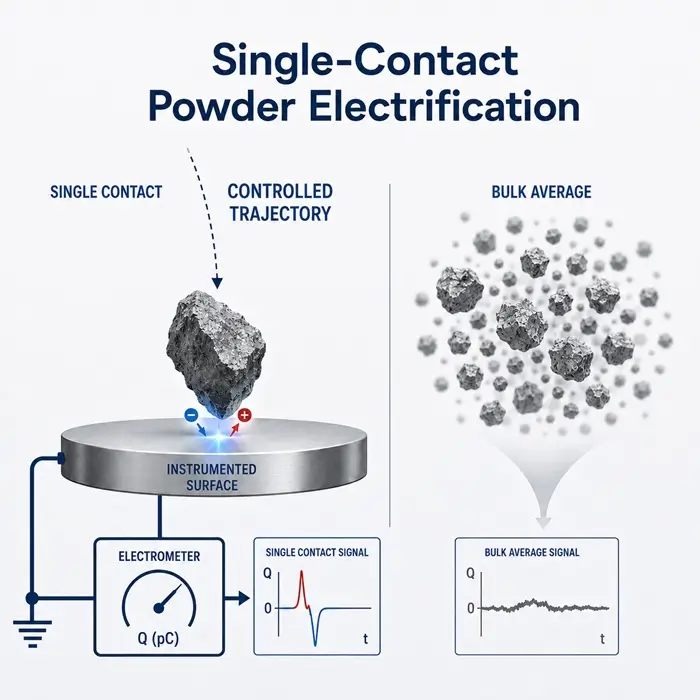
Single-contact electrification apparatus measures charge transfer from one controlled particle-surface or particle-particle contact, isolating a variable that bulk triboelectric and charge decay measurements can only report as an average.

Why FIBC Discharge Problems Often Start at the Liner-Spout Interface

FIBC discharge problems are often blamed on the [...]

Triboelectric Charging in Powders: Why Humidity Matters

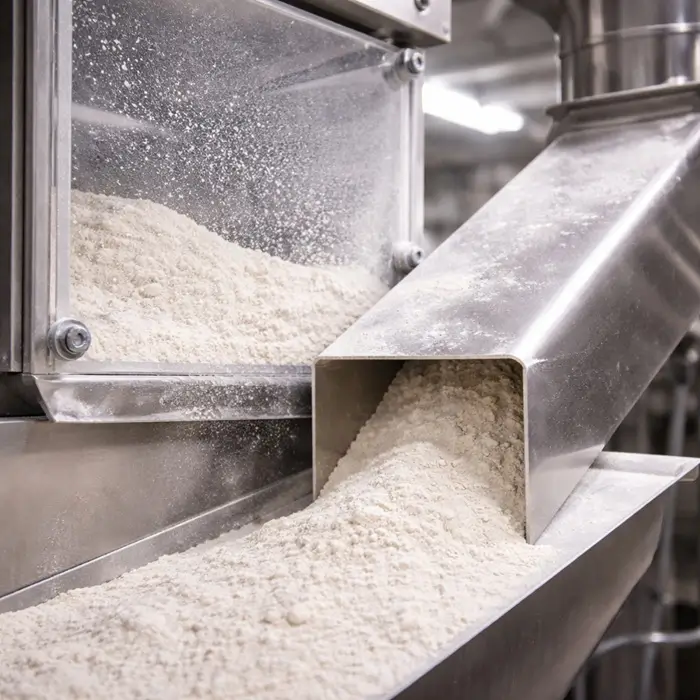
Triboelectric charging in powders is not fixed by [...]

Powder Dustiness Is a Release Problem, Not a Fines Number

Powder dustiness is a release behavior. It is [...]

Silicon Anode Powder: The Manufacturing Bottleneck Behind Next Gen Battery Gains

Silicon anode powder fails in production for predictable [...]

Triboelectric Charging in Powders: The science, failure modes, and industrial controls

Triboelectric charging forms when powders contact and separate, [...]

Charge Decay Time: A Fast Predictor of Powder Handling Risk

Charge decay time turns electrostatics into a practical [...]

Hidden Charge Peaks in Powder Flows: Measure What is missed

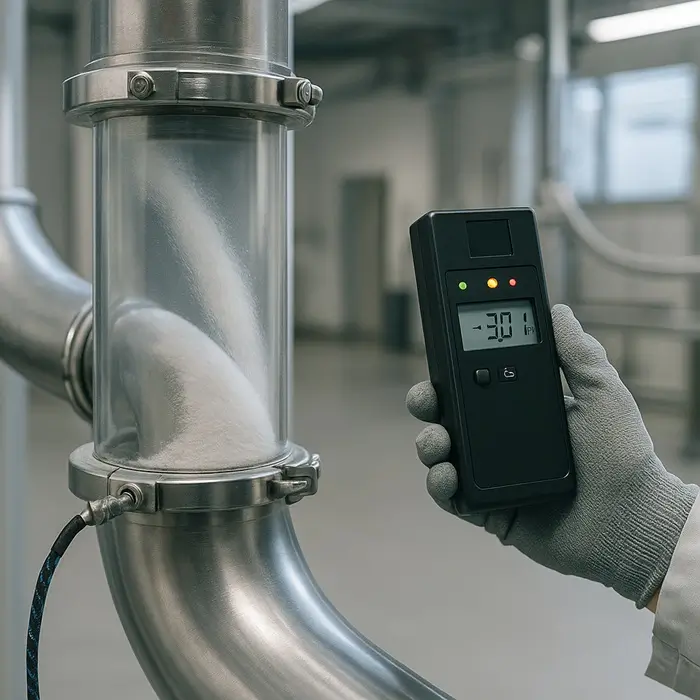
Do not accept a safe net charge as [...]

Go to Top