

SUBJECT
Particle Size Testing
Publications on particle size measurement, method selection, interpretation, and the practical factors that influence reliable particle size data.
PUBLICATIONS
Browse publications
Explore PTI articles, Insights, Know How, and technical publications related to this subject.
 10 October 2026
Cyclone Separation of Fine Powders: Cut Size, Efficiency Curves, and Agglomeration
The classical cyclone cut size model assumes discrete, non-agglomerating particles. Cohesive or moisture-sensitive fines can travel through a cyclone as agglomerates instead, which changes what a PSD result actually tells you about classifier performance.
Feature Article
 3 October 2026
Micronization by Jet Milling: How Classification, Milling Intensity, and Time Change Surface Properties
Jet milling micronization reduces particle size through particle-particle impact controlled by classifier wheel speed and feed rate. Pushing the cut point lower can raise amorphous surface content and hygroscopicity in ways a passing PSD result will not reveal. This guide covers the mechanism and the tests that actually diagnose a changed lot.
Know How
 29 August 2026
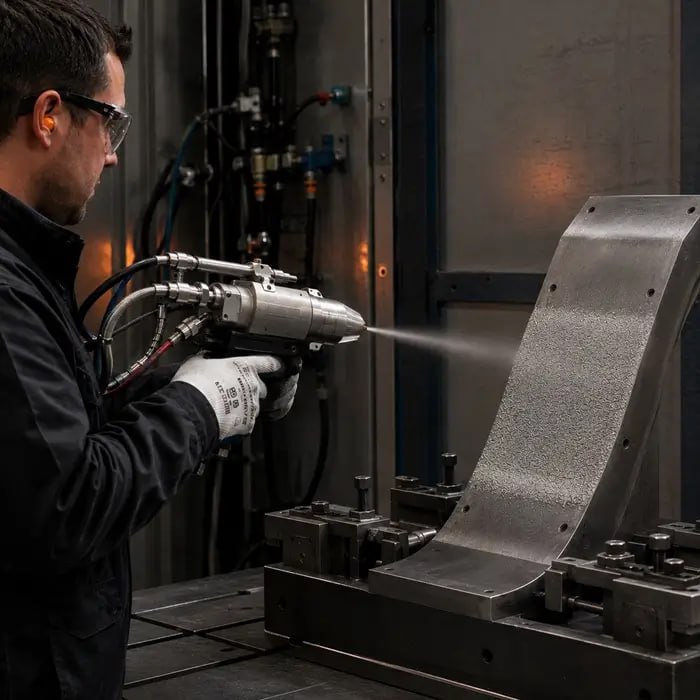
Cold Spray Powder Deposition: Particle Velocity, Oxide Layers, and Why Some Powders Won’t Bond
Cold spray coatings form only when particles clear a critical impact velocity, a threshold set by material properties, particle size and morphology, and native oxide condition. This article looks at what powder-side QC can flag before a spray trial, and where it stops short of predicting deposition efficiency.
Feature Article
 22 August 2026
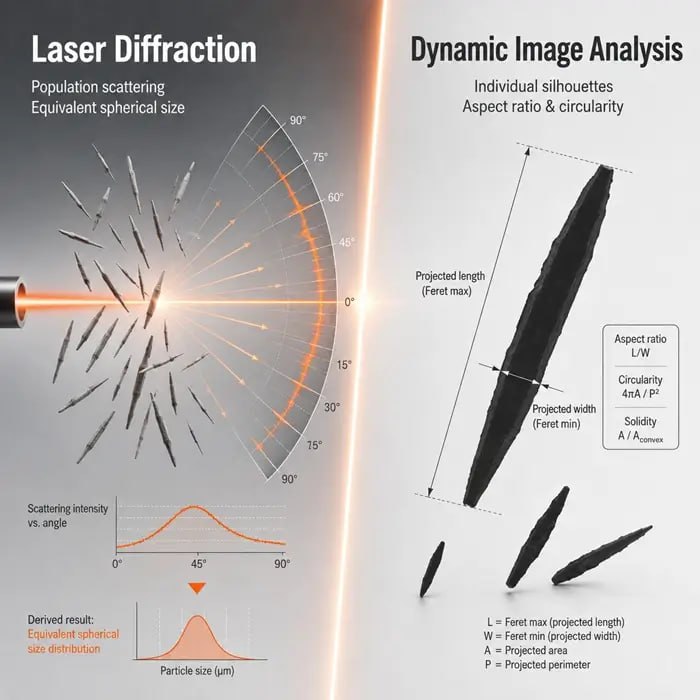
When Laser Diffraction and Dynamic Image Analysis Are Run Together: What Combined PSD-Shape Workflows Add to Interpretation
Pairing laser diffraction with dynamic image analysis adds per-particle shape descriptors, aspect ratio, circularity, convexity, that help explain an anomalous D50 or D90 and show where the combined result still cannot replace a dedicated particle morphology study.
Insights
 1 August 2026
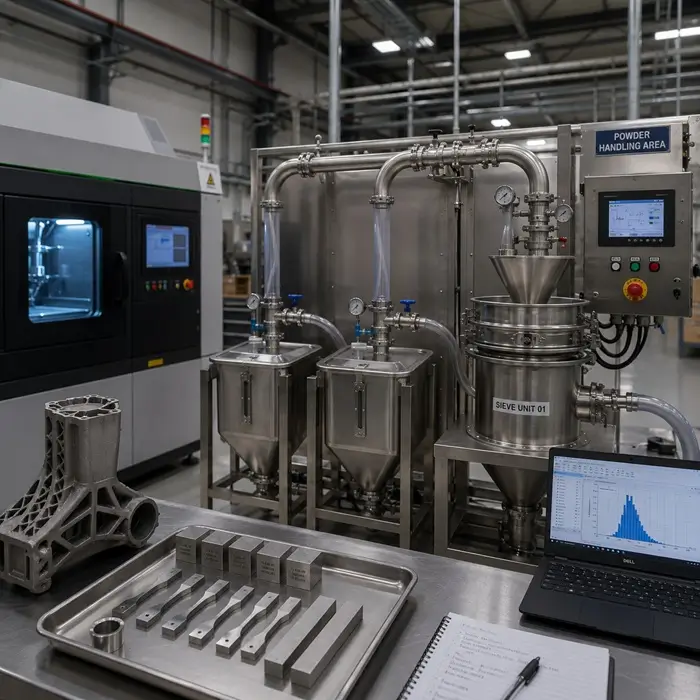
Virgin-to-Reused Powder Blend Ratios in Aerospace PBF-LB Qualification: Where the Decision Actually Sits
As aerospace metal additive manufacturing capacity expands, more reused powder is going back into qualified builds. The virgin-to-reused blend ratio decision depends on PSD shift, satellite formation, and morphology drift, and cannot be settled by a single powder check disconnected from the part's stress state.
Feature Article
 18 July 2026
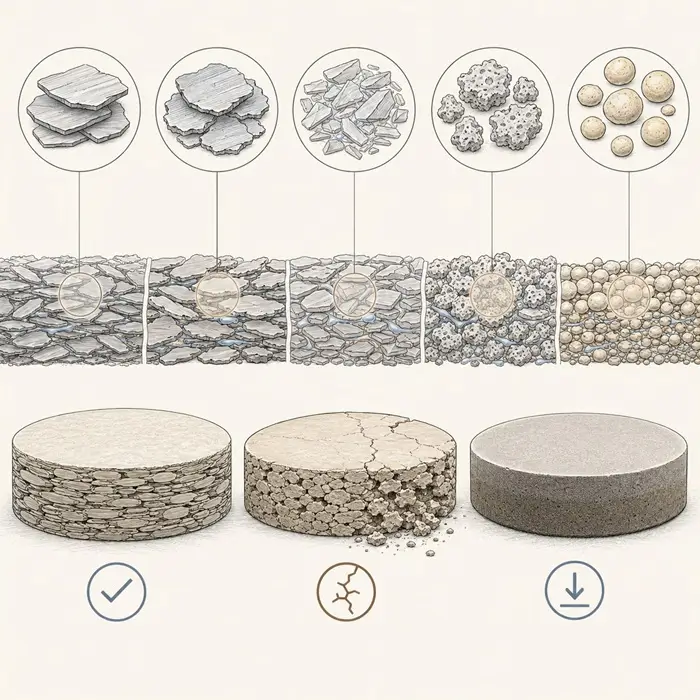
Preparing for an EU Talc Ban: What Mineral and Starch Alternatives Need to Match
Talc's expected EU restriction is forcing cosmetic formulators toward mica, kaolin, silica, and starch. None of them reproduce talc's platelet slip, oil absorption, and low dustiness at the same time, and each substitution changes flow and compaction behavior in pressed powder products differently.
Insights
 4 July 2026
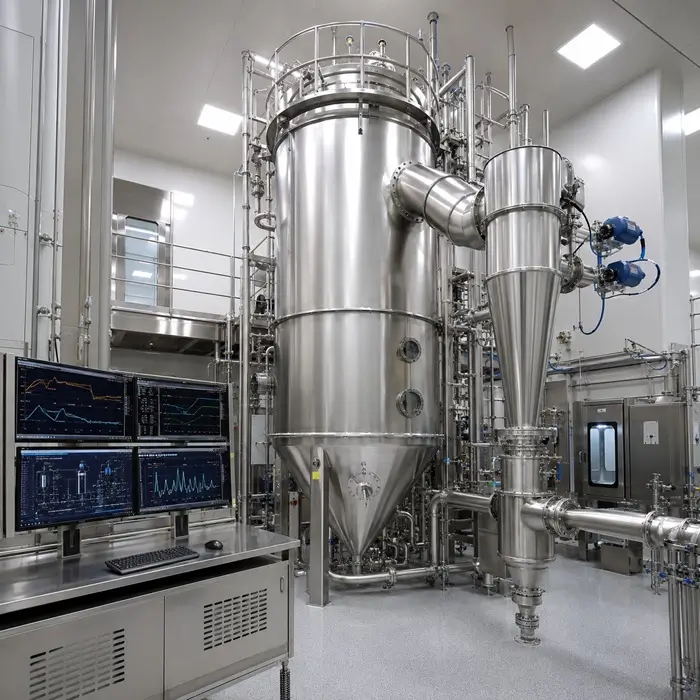
Spray Drying 4.0: Real-Time PAT, AI Process Control, and What Engineers Actually Gain
Process analytical technology combined with machine learning is changing residual moisture control and yield prediction in pharmaceutical and food spray drying. The gains are real but bounded, and the off-line test panel has not been replaced.
Feature Article
 27 June 2026
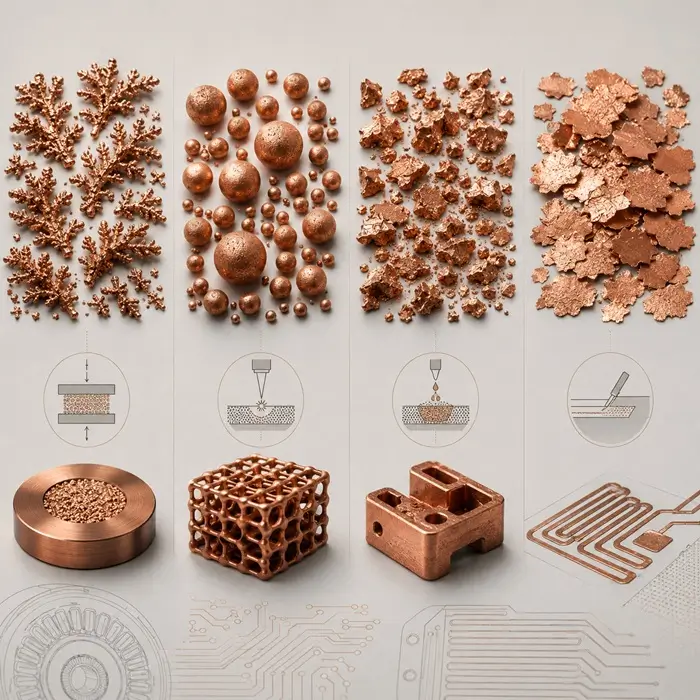
Copper Powder for Electrification: Why Morphology, Purity, and Packing Density Are Now Engineering Variables
Sintered contacts, additive manufactured heat exchangers, EV motor components, and conductive pastes each require a different copper powder. This article explains why morphology, particle size distribution, oxygen content, and packing density are engineering variables, and how to specify them correctly for electrification applications.
Feature Article
 20 June 2026
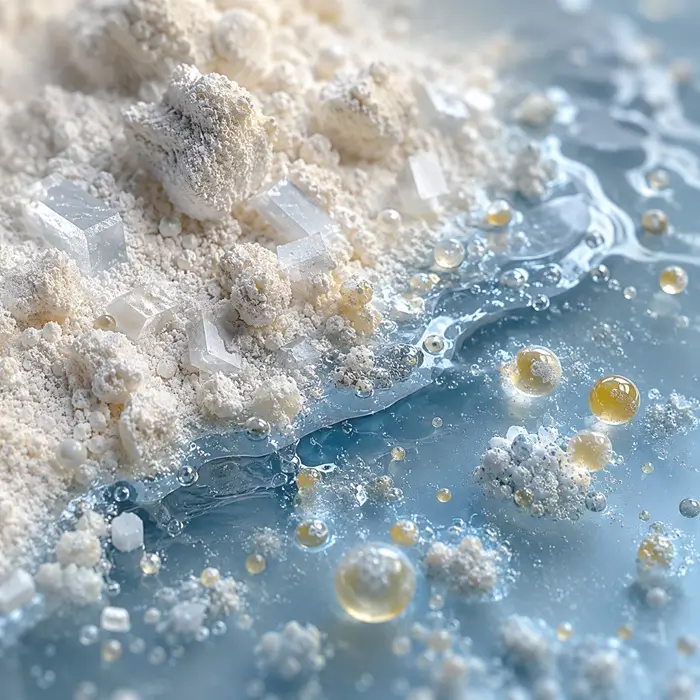
Poorly Soluble APIs: How Surface Contact Shapes Dissolution and Bioavailability
Poorly soluble APIs now represent the majority of the pharmaceutical development pipeline. Dissolution and oral bioavailability are determined by molecular solubility, surface wetting behavior, solid-state stability, and how the formulation interacts with the GI environment from first contact onward. Amorphous dispersions, lipid systems, nanocrystals, and co-crystals each rely on different surface mechanisms to deliver their intended advantage.
Feature Article
 6 June 2026
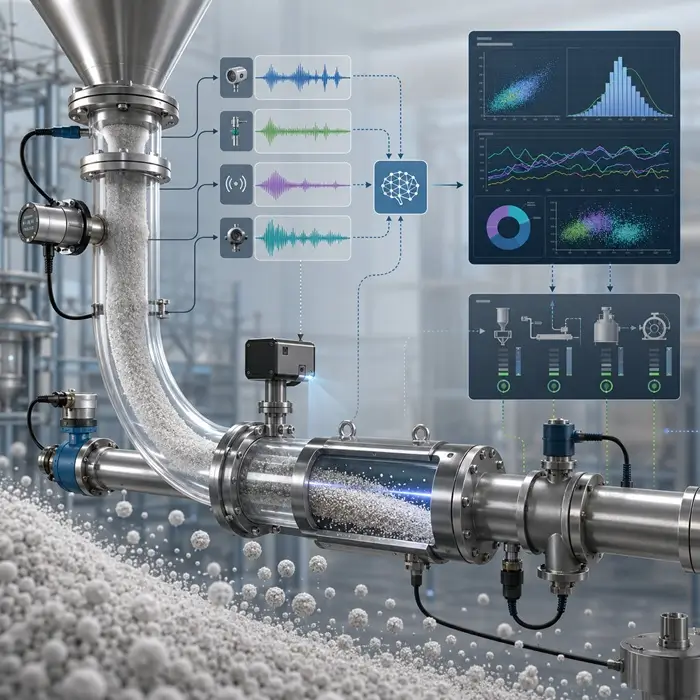
Real-Time Particle Characterization and Process Control
Real-time particle characterization is moving powder processing from delayed laboratory checks toward [...]
Feature Article
 30 May 2026
Fine Powder Fluidization in Pneumatic Conveying and Discharge Control
Fine powder fluidization can support controlled pneumatic conveying, especially in dense phase [...]
Feature Article
 23 May 2026
Fines in Powder Behavior: Why Small Amounts Matter
Fines in powder behavior matter because fine particles add surface area, contact [...]
Insights