Surface Energy

Surface energy is a measure of the energy at a material’s surface, influencing how it interacts with other substances, including liquids, powders, and gases. This property plays a crucial role in industries like pharmaceuticals, coatings, and adhesives, where adhesion, wetting, and cohesion are key to product performance and processing efficiency.

On this page, learn about the principles of surface energy, its measurement techniques, and its impact on industrial applications, from improving material adhesion to optimizing formulations.

Featured Surface Energy Articles
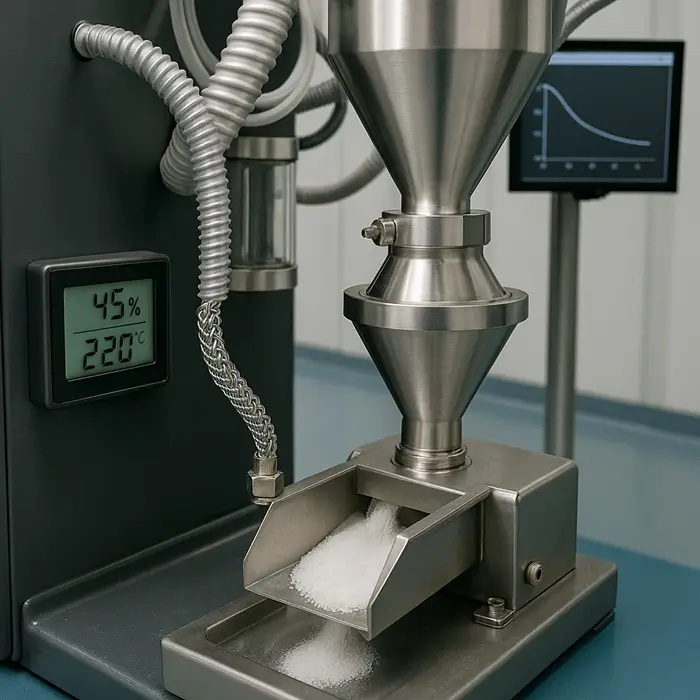
  • Loss-in-weight feeder with anti-static hoses and RH display, used to link settings to charge decay time.

    Charge Decay Time: A Fast Predictor of Powder Handling Risk

    Charge decay time turns electrostatics into a practical control knob. Measure it under controlled humidity, log it with charge-to-mass, and link it to plant outcomes. Then tune humidity and materials to stabilize feeding and discharge. Charge Decay Time: The One Metric That Predicts Trouble Electrostatic charge and [...]

  • Macro view of laser-assisted bioprinting: a clean ligament ejects a micrometer droplet onto a glass substrate patterned with droplets.

    Case Study: Powder Technology Principles in Laser-Assisted Bioprinting

    Table of contents Executive Summary laser-assisted bioprinting powder principles show the benefits of particle thinking. Treat every printed droplet as a living particle. Then use the same physics that guide powders to design jetting, impact, packing, and maturation. This frame reduces trial and error and gives teams a shared [...]

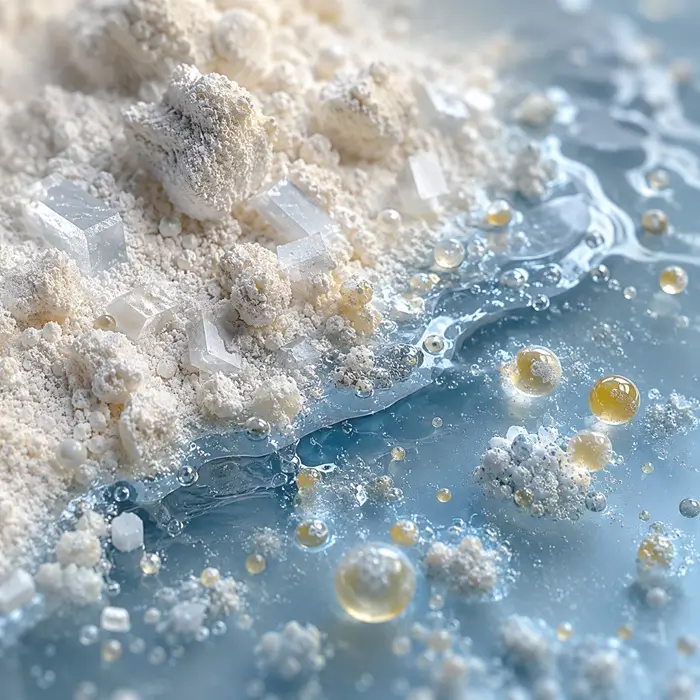
  • Close-up macro view showing moisture droplets condensing on fine powder particles, illustrating moisture risk in powder formulations.

    Moisture as a Formulation Risk: Beyond Standard Hygroscopicity Testing

    Moisture risk in powder formulations extends beyond mass uptake. Water reshapes surfaces, phases, and reactions. You need advanced characterization and smarter design to stay stable. Moisture risk in powder formulations Moisture risk in powder formulations is often treated as a checklist item. Teams log RH limits, then [...]

  • Hard carbon powder for sodium-ion battery use, shown in dry-room conditions with stable structure.

    Hard Carbon in Sodium-Ion Batteries: Moisture Control, Powder QA, and Line Readiness

    Hard carbon sodium-ion batteries are a match made in heaven. When moisture stays low and surface area remains controlled. A disciplined dry-room setup, paired with tight powder QA, improves Coulombic efficiency and shortens formation cycles. It all starts with the powder. Table of contents Sodium-ion [...]

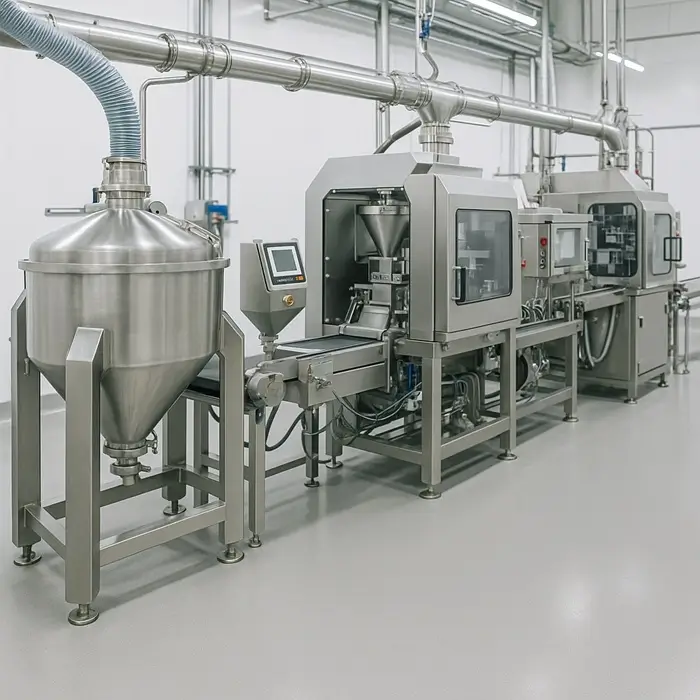
  • Dry electrode battery manufacturing line with powder handling equipment and automated feeders.

    Dry Electrode Battery Manufacturing: Powder Rules for Modern Factories

    Dry electrode battery manufacturing demands tighter powder control. Flow, moisture, and morphology define stability, yield, and cost. Table of contents Dry electrode battery manufacturing is no longer a niche R&D ambition. Instead, it is rapidly moving into large-scale production. The attraction is clear: lower costs, [...]

newsletter icon

News And Articles In Your Inbox

Sign up and receive PowderTechnology.info news, articles, and content from our partners in a quick and easy monthly newsletter.

You have been successfully subscribed.
There was an error trying to subscribe. Please try again later.

More Surface Energy Articles

Editor’s Picks