
Table of contents
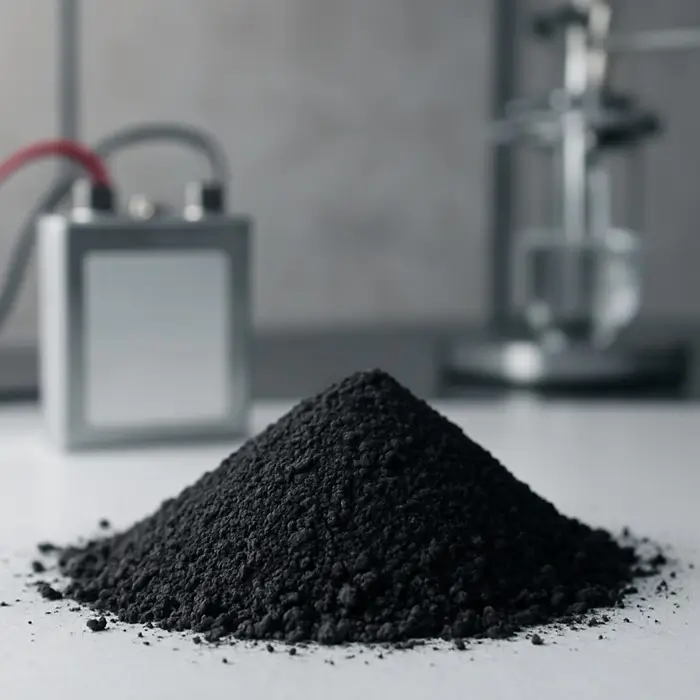
Sodium-ion battery technology is entering commercial production. Energy density remains lower than lithium-ion, so every percent of efficiency is critical. The first-cycle loss, or ICE, defines usable capacity and often reflects decisions made long before assembly.
Powder handling, moisture exposure, and texture directly impact efficiency. Poor control leads to irreversible losses and unstable SEI formation. Once these issues appear, they are difficult to reverse. Prevention starts with the material.
Understanding How Hard Carbon Stores Sodium
Hard carbon stores sodium in two distinct ways. One involves a sloping voltage region linked to adsorption. The other is a low-voltage plateau tied to closed pores.
Properly designed pore structures increase plateau capacity. They provide high energy density without triggering parasitic reactions. In contrast, poorly controlled porosity causes early electrolyte breakdown and lowers ICE.
Pores, Defects, and the First-Cycle Loss Problem
High surface area and ultramicropores increase first-cycle losses. These features absorb sodium that does not return during discharge. They also allow electrolyte reduction to begin earlier.
Reactive defect sites worsen this by triggering SEI growth across too much surface. The result is a thick, inconsistent barrier that limits transport and consumes sodium. Once formed, it becomes difficult to stabilize.
Managing the texture of hard carbon helps avoid these outcomes. Keep pore size, surface area, and reactivity within narrow bands.
Fixing ICE Loss: What Works in Real Production
Not all strategies deliver measurable gains. Focus on approaches with proven results in pilot and commercial settings.
1. Texture Control Through Pyrolysis
Tune carbonization steps to cap surface area and control pore size. Use BET to measure surface area, and DFT for micropore distributions. Avoid relying on single metrics. Textural control stabilizes SEI and lowers first-cycle loss.
2. Electrolyte Pairing Strategy
Ether-based electrolytes often improve ICE when matched with hard carbon. DME and diglyme are common options. Validate the cathode’s voltage window before switching solvents. Consider additive effects early in development.
3. Pre-Sodiation to Offset Losses
Pre-sodiation replaces sodium lost during SEI formation. Choose from chemical or electrochemical methods. Use only supplier-qualified processes with full safety documentation. Aggressive routes can increase variability.
Moisture: A Hidden Threat in Sodium-Ion Lines
Water is a major hazard in sodium systems. Even levels under 50 ppm cause chemical instability. Moisture reacts with NaPF₆, a common sodium salt, forming HF and POF₃. These products damage interfaces and current collectors.
In Prussian white systems, moisture also causes gas evolution. Hydrogen release under pressure compromises safety and degrades cathode structure. Keep water out from start to finish.
Dry-Room Conditions That Actually Work
Effective sodium-ion lines operate with strict moisture control. Most maintain:
-
Dew points of −40 °C in handling zones
-
Colder setpoints during electrolyte fill
-
Exposure tracking by batch and time
Transfers must stay sealed. Inter-room handling uses tunnels or nitrogen boxes to avoid contact with ambient air. Every exposure should be logged.
Special Precautions for Prussian White Cathodes
Prussian white is highly moisture-sensitive. Even small amounts of water drive gas formation during cycling. H₂ release creates swelling, pressure spikes, and premature degradation.
To prevent this:
-
Bake before use, following validated protocols
-
Test with Karl Fischer titration
-
Store under nitrogen in sealed drums
-
Screen for gas evolution during QA
Key QA Metrics for Powder Control
A strong QA framework focuses on properties that influence ICE and process performance.
● Moisture Content (ppm)
Use Karl Fischer titration with oven transfer for powders. Set clear acceptance levels for incoming and post-bake values. Reject material that exceeds thresholds.
● Surface Area and Pore Analysis
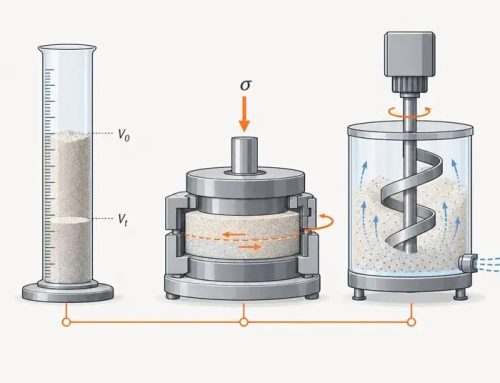
Measure external area with BET. Analyze pore size with DFT based on IUPAC alignment. Watch for artifacts when dealing with microporous materials. Double-check results for consistency.
● Particle Size and Shape
Use laser diffraction and image analysis. Stable PSD supports consistent coating and feeder dosing. Check for agglomerates that disrupt film uniformity.
● Tap Density and Flow
Track coating behavior and feeder response. Variations lead to dosing errors. Monitor changes across batches and adjust as needed.
● Ash and Inorganics
Run ICP-OES for metals and residues. Catalytic metals such as Fe, Cu, or Ni change SEI formation. High ash may indicate incomplete pyrolysis or external contamination.
● Electrolyte Compatibility Tests
Test ester and ether systems in parallel. Log ICE, impedance, and degradation profiles. Capture cathode compatibility and additive responses early in the workflow.
Integration Across the Production Line
Success depends on consistent behavior from lab to full line. To achieve that:
-
Bake powders and foils before use
-
Confirm moisture with KF after drying
-
Use grounded, sealed containers during transfers
-
Document every off-zone exposure event
This level of control improves predictability, reduces formation time, and stabilizes quality over multiple lots.
Safety, Dust Control, and EU Compliance
As sodium-ion volumes grow, handling risks increase. Dust exposure, static discharge, and chemical release require strict mitigation.
Best practices include:
-
Enclosed bag dumps and negative-pressure cabinets
-
Static control with ionizing nozzles
-
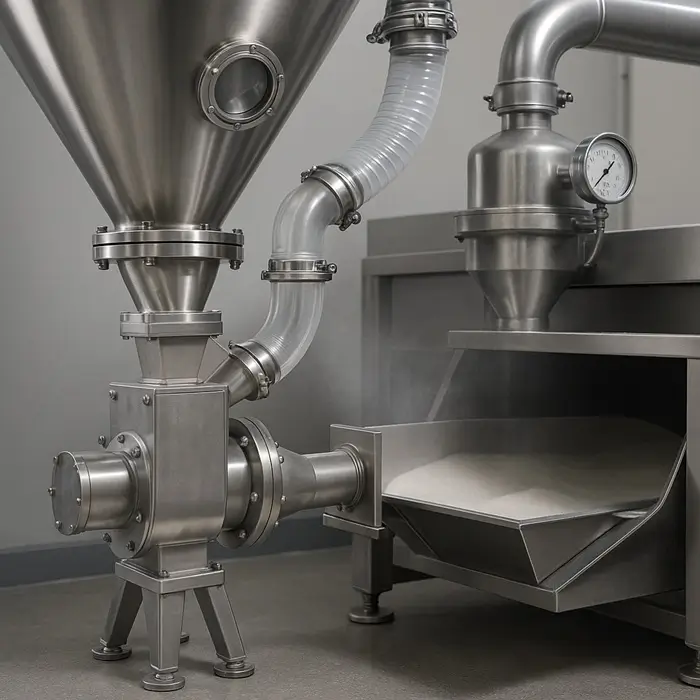
Sealed feeders and powder valves
End-of-life rules matter too. In the EU, battery black mass is classified as hazardous. Export to non-OECD countries is restricted. Make sure SOPs reflect this and update handling documents accordingly.
Supplier Data Requirements: What You Should Always Request
Demand a full set of specifications with every lot. This should include:
-
SSA (specific surface area)
-
D10, D50, and D90
-
Total pore volume
-
Shipped moisture and drying protocol
-
Ash content and metal impurities
-
Lot-to-lot drift data
-
Packaging and barrier specifications
For Prussian white, add gas evolution and residual water specs to the checklist.
Mini Case: Raising ICE from 83% to 91%
A pilot line struggled with 83% ICE and long formation times. After reviewing process data, the team made three key changes:
-
Narrowed the SSA range through pyrolysis tuning
-
Switched to an ether-based electrolyte with no aggressive additives
-
Logged and tightened dry-room dew point to −40 °C
Within two runs, ICE reached 91%. Formation time dropped by 20%. Post-mortem showed thinner SEI, better surface stability, and lower impedance. The gains came from structure and moisture control, not chemistry tricks.
Implementation Checklist
✅ Dry-room targets defined, monitored, and logged
✅ KF gates set for incoming and post-bake powders
✅ SSA and PSD bands documented with suppliers
✅ Electrolyte pairings tested, ICE results confirmed
✅ All transfers closed and grounded
✅ Dust control and safety protocols in place
✅ EOL compliance updated per EU regulation
Final Thoughts
Hard carbon is not plug and play. Sodium-ion batteries demand precision, especially at the powder stage. The best results come from tight moisture control, deliberate texture tuning, and clear QA gates. Manufacturers who invest in these fundamentals will gain performance, safety, and reliability from the start.