
Table of contents

Discovery and Early Use
Lithium first entered the scientific record in 1817, when Johan August Arfvedson analyzed petalite and identified a new alkali element. However, he never isolated the metal. One year later, Christian Gmelin noted the red flame color of lithium salts. Finally, metallic lithium was obtained in 1821 by William Thomas Brande, who electrolyzed lithium oxide.
Afterwards, industrial adoption came slowly. Initially, compounds found use in lubricating greases and specialty glasses. By the mid-20th century, however, lithium-6 had become strategically important for tritium production in nuclear research.
The scientific appeal of lithium grew from its low density, high theoretical capacity, and strongly negative reduction potential. In the 1970s, Whittingham’s cell with a titanium disulfide cathode and lithium metal anode demonstrated both promise and danger. Subsequently, Goodenough’s lithium cobalt oxide cathode in the 1980s showed higher voltage. Soon after, Yazami proved lithium could intercalate into graphite. Building on these advances, Yoshino developed a working system in 1985. Ultimately, Sony’s 1991 lithium-ion cell set the commercial foundation.
Atomic Properties and Electrochemical Potential
Lithium, atomic number three, has an atomic mass of 6.94 g/mol and a density of 0.534 g/cm³. The 1s²2s¹ configuration leaves a weakly bound valence electron that is easily removed.
This explains its electrode potential of –3.04 V vs. SHE, the lowest among metals. The potential allows lithium to deliver higher voltages than alternatives when paired with suitable cathodes.
Metallic lithium offers a theoretical capacity of 3860 mAh/g, far beyond graphite’s ~372 mAh/g. The comparison is striking, but not the whole story. Gravimetric capacity matters, yet volumetric energy density is just as critical. Lithium’s low density means it contributes little weight while still supporting high energy packing when engineered as powders. This balance explains why lithium is embedded in portable devices and electric vehicles, where small mass differences alter runtime and driving range.
Electrons, Bands, and Charge Transfer
In metallic lithium, electrons are delocalized into a conduction band and move freely under bias.
By contrast, intercalation hosts behave differently. Lithium occupies crystallographic sites in layered oxides such as LiCoO₂, in olivine structures like LiFePO₄, or within the mixed lattices of NMC. During discharge, lithium atoms at the anode release electrons to the circuit and enter the electrolyte as Li⁺.
At the same time, the cathode undergoes a complementary reaction. The reduction of transition metals balances the process. Co³⁺ shifts to Co²⁺, Ni³⁺ to Ni²⁺, while Li⁺ threads into the lattice. As a result, the voltage observed at rest arises from the difference in electron chemical potential between anode and cathode.
Nevertheless, none of this occurs instantly. Electrons move in femtoseconds. In comparison, ions move thousands to millions of times slower, in milliseconds to seconds. Moreover, interfaces, crystal distortions, and interphases add resistance. With repeated cycling, those barriers evolve. Layers thicken, pathways bend, and the mechanism no longer matches what was measured in a fresh cell.
Mobility in Liquids and Solids
Lithium mobility describes how Li⁺ ions move in electrolytes and solids.
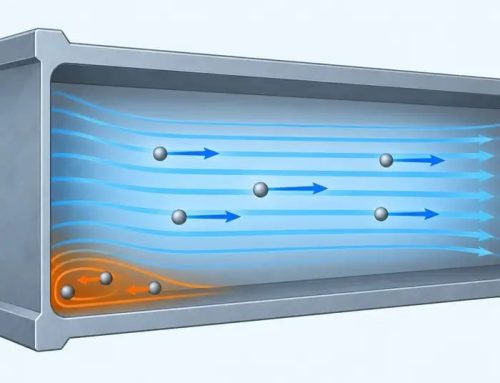
In liquids, typically LiPF₆ dissolved in carbonate solvents, ions are solvated by molecules like ethylene carbonate. At electrode surfaces, partial desolvation must occur. This step adds an activation barrier visible in impedance spectra.
Diffusion coefficients in liquids usually fall between 10⁻¹⁰ and 10⁻⁹ m²/s at room temperature. That range supports ion movement across micrometer pores in milliseconds. Solids slow the process dramatically. Motion there means hopping between lattice sites.
Graphite shows diffusion coefficients from ~4×10⁻¹⁰ to 1×10⁻¹¹ cm²/s depending on charge level. LiFePO₄ can drop further, sometimes to 10⁻¹⁴ cm²/s in certain phases. These numbers are not fixed. They vary with state of charge, temperature, particle size, and even measurement method. Such variability explains why powders are engineered with small particle sizes: shorter diffusion paths improve rate performance, though the increased surface area brings higher reactivity.
Interactions and Forces at the Atomic Scale
Lithium migration is never static. Electrostatic attraction stabilizes ions within hosts, but repulsion between occupied sites shapes ordering. Those preferences shift as lithium content changes.
Electron transfer depends on Fermi-level alignment across interfaces. Even subtle surface changes alter ease of exchange. For ions, migration requires surmounting activation barriers. Reported values for cathodes range from 0.2 to 0.6 eV, though synthesis route and defect levels can shift them.
Lithiation cycles impose strain. Lattices expand and contract unevenly. Microcracks open, exposing surfaces that react rapidly with electrolyte. These reactions destabilize the solid electrolyte interphase. Once initiated, a feedback loop emerges: decomposition produces unstable layers, which in turn accelerate further cracking.
Powders as the Bridge Between Atoms and Devices
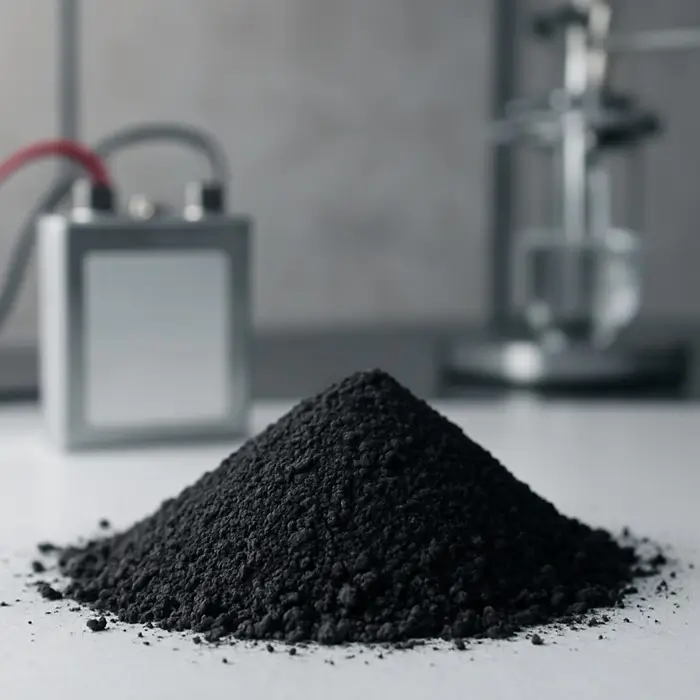
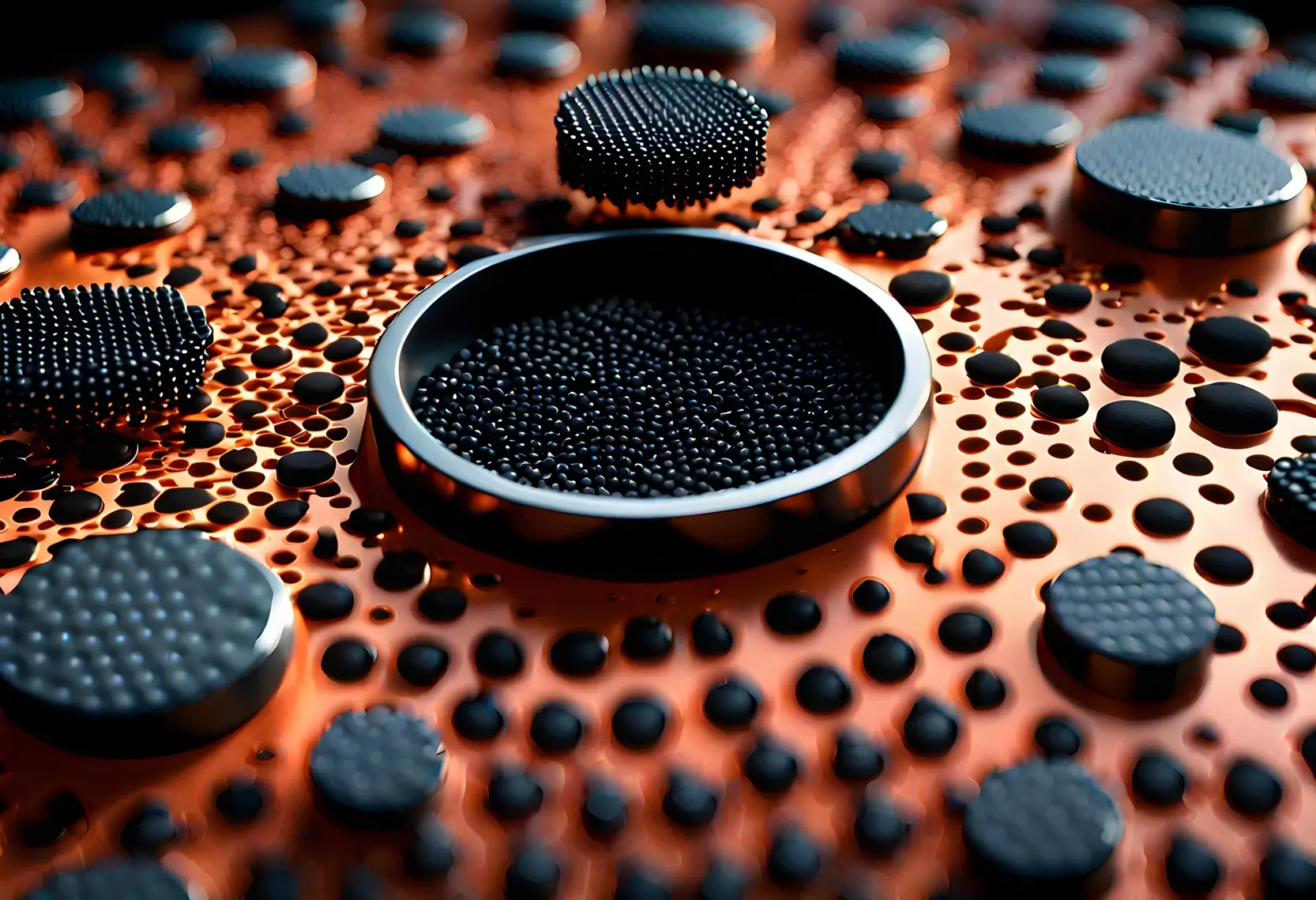
Electrodes are built from powders bound to current collectors with additives and binders.
Cathode powders include LiCoO₂, NMC, and LiFePO₄. Anodes typically use graphite, lithium titanate, or silicon-carbon composites.
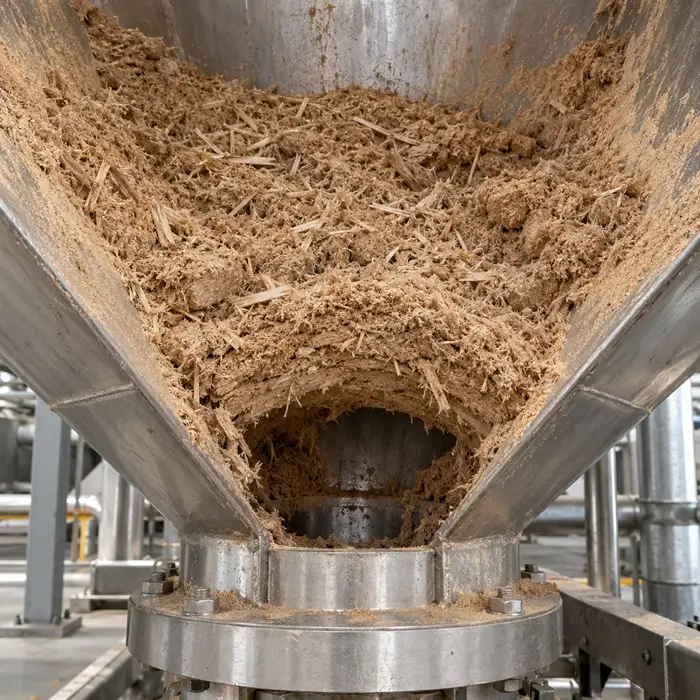
Powders convert atomic behavior into macroscopic performance. Particle size and morphology set diffusion distances and electronic pathways. Large particles improve volumetric density but limit rate capability. Small ones shorten paths but expose more surface to side reactions. Morphology uniformity reduces coating defects. None of these parameters remain constant. Cycling changes microstructure, and with it, the balance between energy density and stability.
Powder Production and Surface Modification
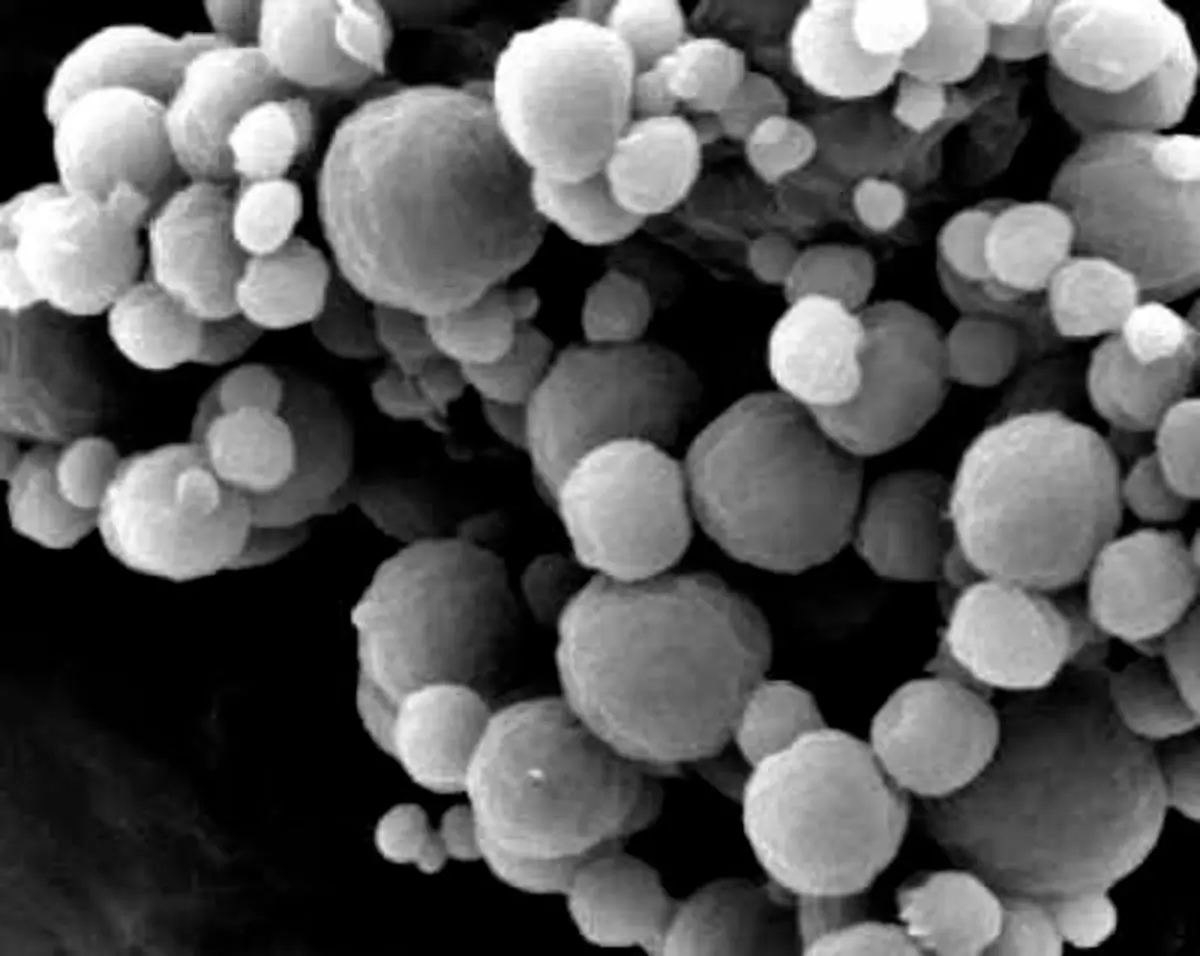
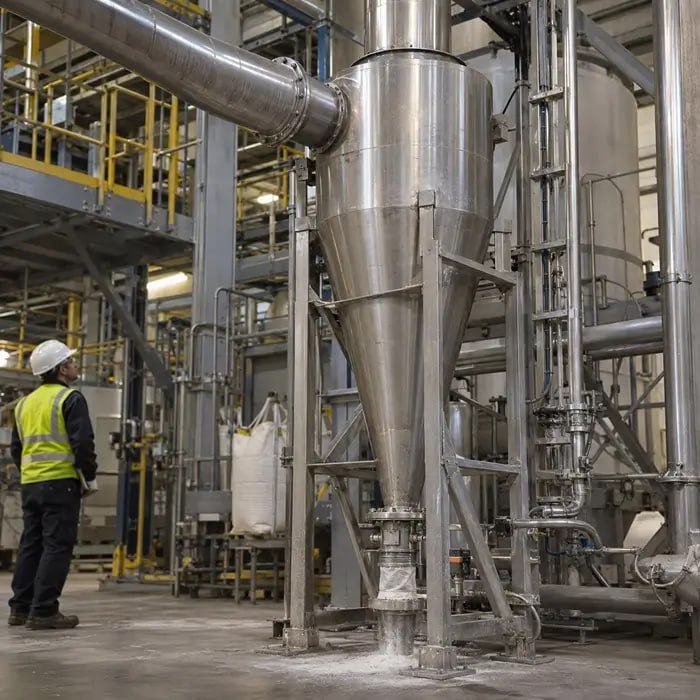
Cathode powders are commonly synthesized by co-precipitation of mixed-metal hydroxides or carbonates, then calcined with lithium salts. Spray drying forms spherical secondary particles with favorable flow and tap density. Milling and sieving refine particle distributions.
Surface treatments aim to suppress degradation. Thin coatings of oxides, phosphates, or fluorides limit electrolyte attack and metal dissolution. Doping with Al, Mg, or Ti shifts lattice spacing and electronic properties, improving stability. No single method is universal. Each intervention targets a specific weakness. Coatings may prevent oxygen release at high voltage but cannot eliminate cracking from mechanical strain.
Analytical Testing of Lithium Battery Powders
Powders undergo extensive Characterization testing before use in electrodes.
XRD, for example, confirms crystal structure and phase purity. In practice, secondary phases appear as extra peaks. Meanwhile, SEM and TEM visualize particle morphology, coating coverage, and grain boundaries at the nanometer scale. In addition, BET using adsorption measures surface area, which correlates with reactivity. Furthermore, XPS and AES probe surface composition and oxidation states. Finally, ICP-OES quantifies elemental composition and impurities, often at ppm levels.
Electrochemical testing, on the other hand, complements structural analysis. Specifically, cyclic voltammetry maps redox behavior. Similarly, impedance spectroscopy identifies charge-transfer resistance. In turn, titration techniques yield diffusion coefficients. However, results scatter between laboratories and even between batches. Nevertheless, together they link microstructure to performance and guide refinement.
Linking Powder Properties to Atomic Behavior
Powder properties govern the transport of electrons and ions. Crystallinity reduces grain-boundary resistance. Smaller particles shorten diffusion paths but expand interface area, increasing SEI consumption of lithium.
Cracks form under strain, exposing fresh surfaces to electrolyte. Side reactions accelerate. Conductive coatings or carbon scaffolds restore electronic pathways when contact is lost. Repeated cycling introduces dislocations, vacancies, and phase changes. Transport properties evolve as defects accumulate. Powders therefore do not remain static supports. They are dynamic media where atomic events play out.
Dendrites and Malfunction Pathways
Even with graphite anodes, lithium plating can occur under unfavorable conditions. For instance, high current, low temperature, or overcharge promote deposition. As a result, uneven plating produces dendrites that grow into the separator.
Once a dendrite bridges electrodes, short circuits occur. Subsequently, local heating and gas evolution follow. In the most severe cases, thermal runaway develops. Although improved electrolytes, charging controls, and electrode structures reduce the risk, they do not eliminate it entirely.
Therefore, research continues on artificial interphases, solid electrolytes, and particle engineering. Ultimately, the aim is to block dendrite growth while still supporting high-rate operation.
Future Directions
Several alternatives therefore, aim to push beyond conventional lithium-ion. For example, lithium metal paired with sulfur or oxygen cathodes could raise energy density, although dendrites and unstable interfaces remain barriers. In theory, lithium–sulfur approaches ~2600 Wh/kg, yet polysulfide shuttling and expansion prevent stable cycling. Similarly, silicon anodes store up to 3579 mAh/g however they expand ~300 percent, demanding nanoscale design and robust binders.
By contrast, sodium-ion chemistries offer cost advantages, though at lower energy densities. Meanwhile, solid-state systems, lithium or sodium-based, require ceramic or polymer electrolytes with intimate powder contact. Ultimately, in each case, powder engineering remains central. Indeed, every advance must control ion migration, electron pathways, and surface reactions at the particle level.
Conclusion
Therefore, lithium’s low mass, negative potential, and transport behavior explain its role as the foundation of modern energy storage.
In turn, powders carry these atomic advantages into practice. Specifically, their structure, size, and surface chemistry determine whether capacity and stability are achieved. Moreover, testing connects microstructure with performance, yet results shift as cycling alters materials.
Future gains will come from powder synthesis, surface treatments, and interphase control. Whether lithium dominates or shares space with sodium, silicon, or solid-state systems, powders will continue to define the boundaries of battery performance.
FAQ – Lithium Powders and Energy Density
Key issues include dendrite formation during plating, side reactions at large surface areas, and structural degradation during cycling. Research into coatings, artificial interphases, and solid-state designs is aimed at solving these challenges.
Common techniques include XRD for crystal structure, SEM/TEM for morphology, BET for surface area, XPS/AES for surface chemistry, ICP-OES for composition, and electrochemical tests like impedance spectroscopy to measure transport properties.
Typical methods include co-precipitation, spray drying, and calcination with lithium salts. Particle size is later adjusted through milling and sieving, while surface coatings and dopants improve stability.
Lithium powders shorten ion diffusion paths, increase surface area for reactions, and improve coating uniformity. These properties directly influence charge rate, stability, and overall energy density.
Metallic lithium offers a theoretical capacity of ~3860 mAh/g, far higher than graphite at ~372 mAh/g. In powder form, lithium’s low density allows higher volumetric energy density without adding significant weight.