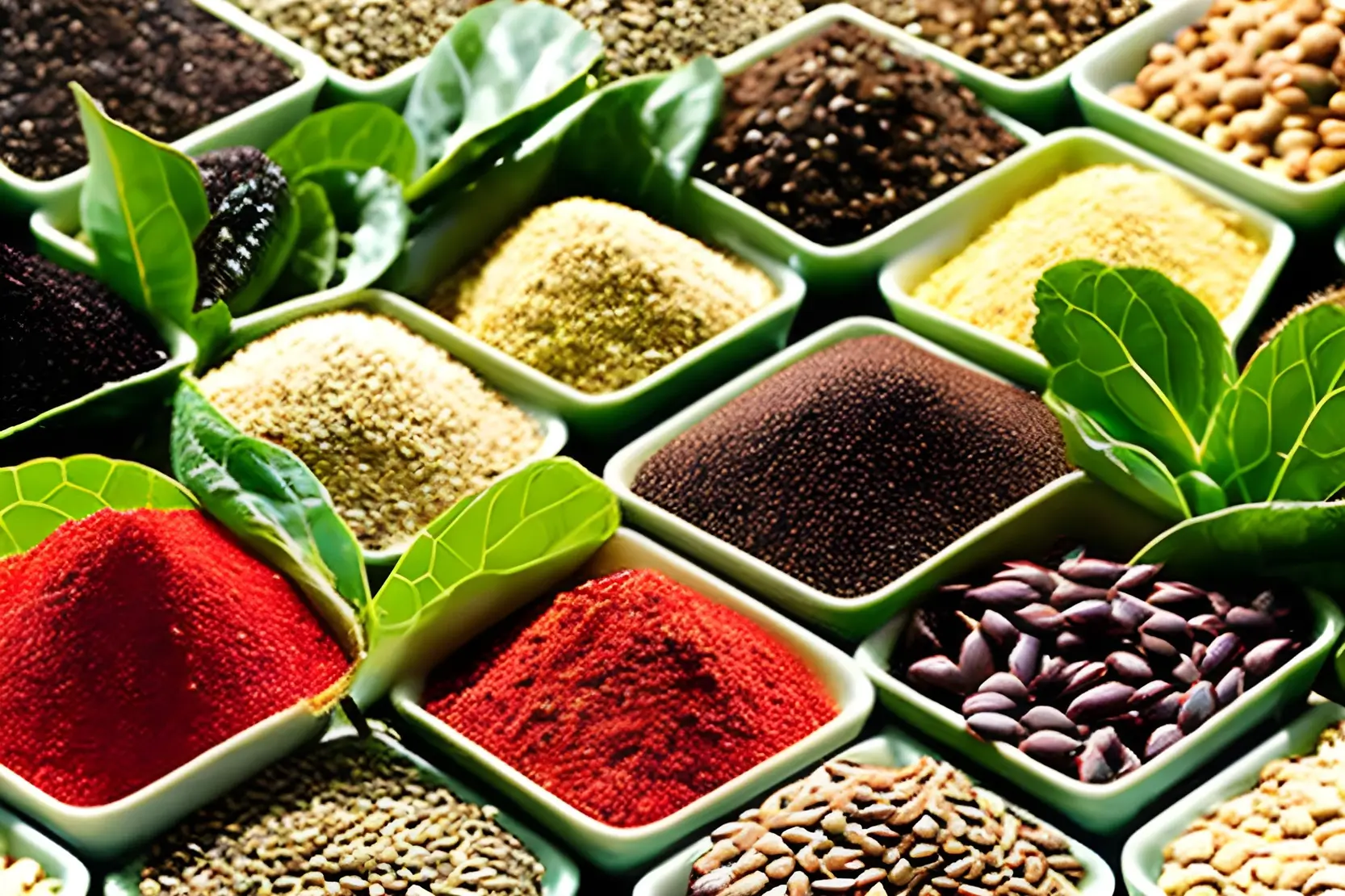
Powder Processing Techniques

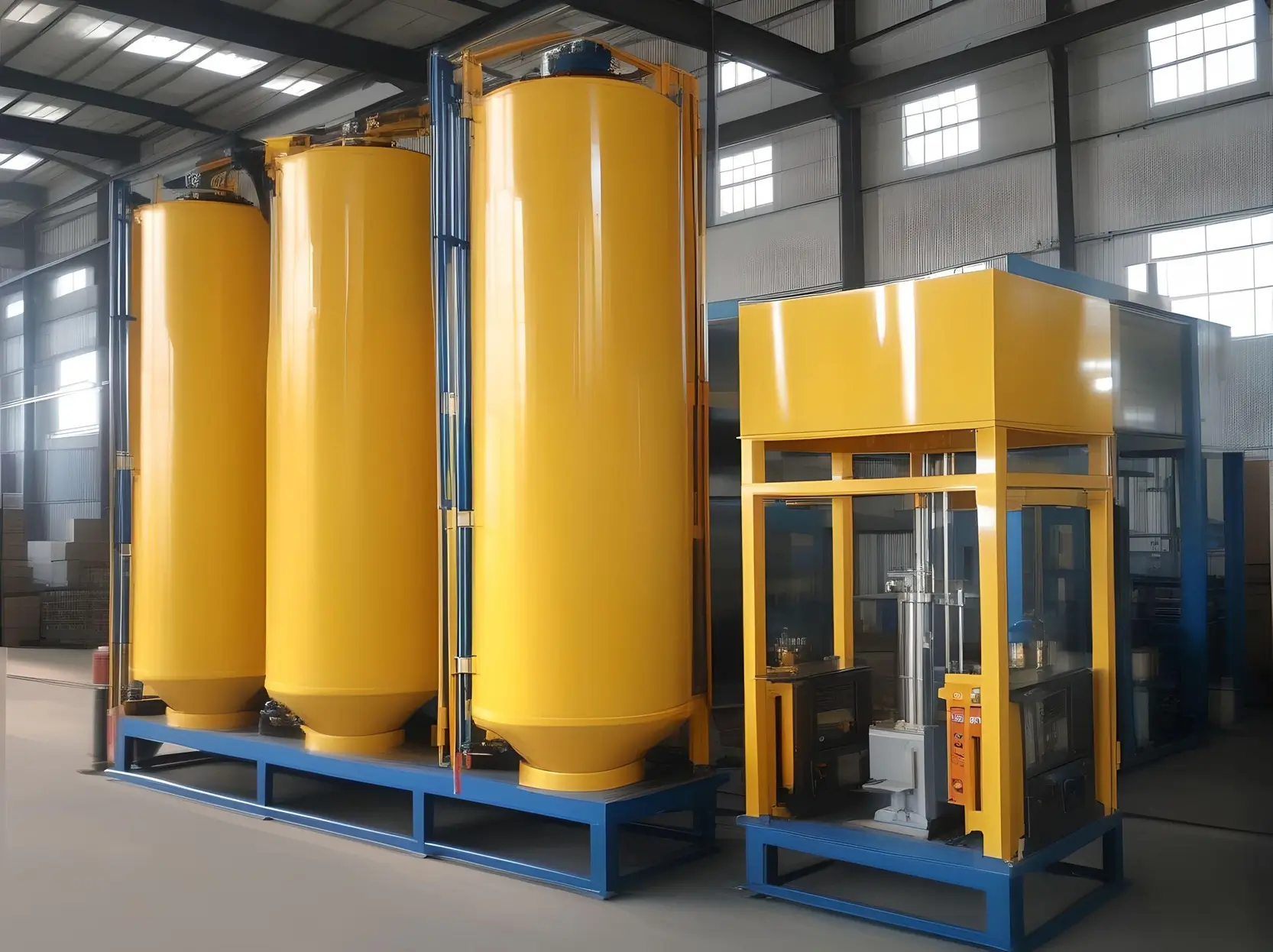
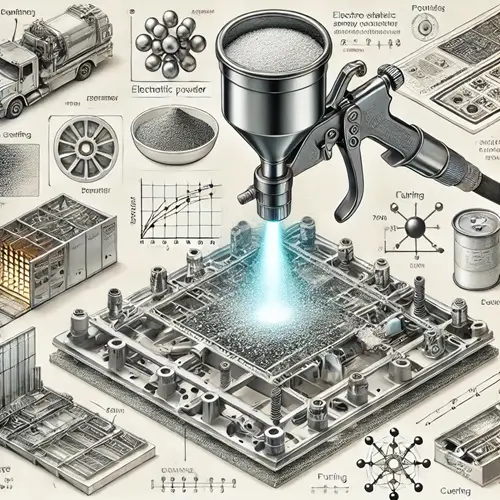
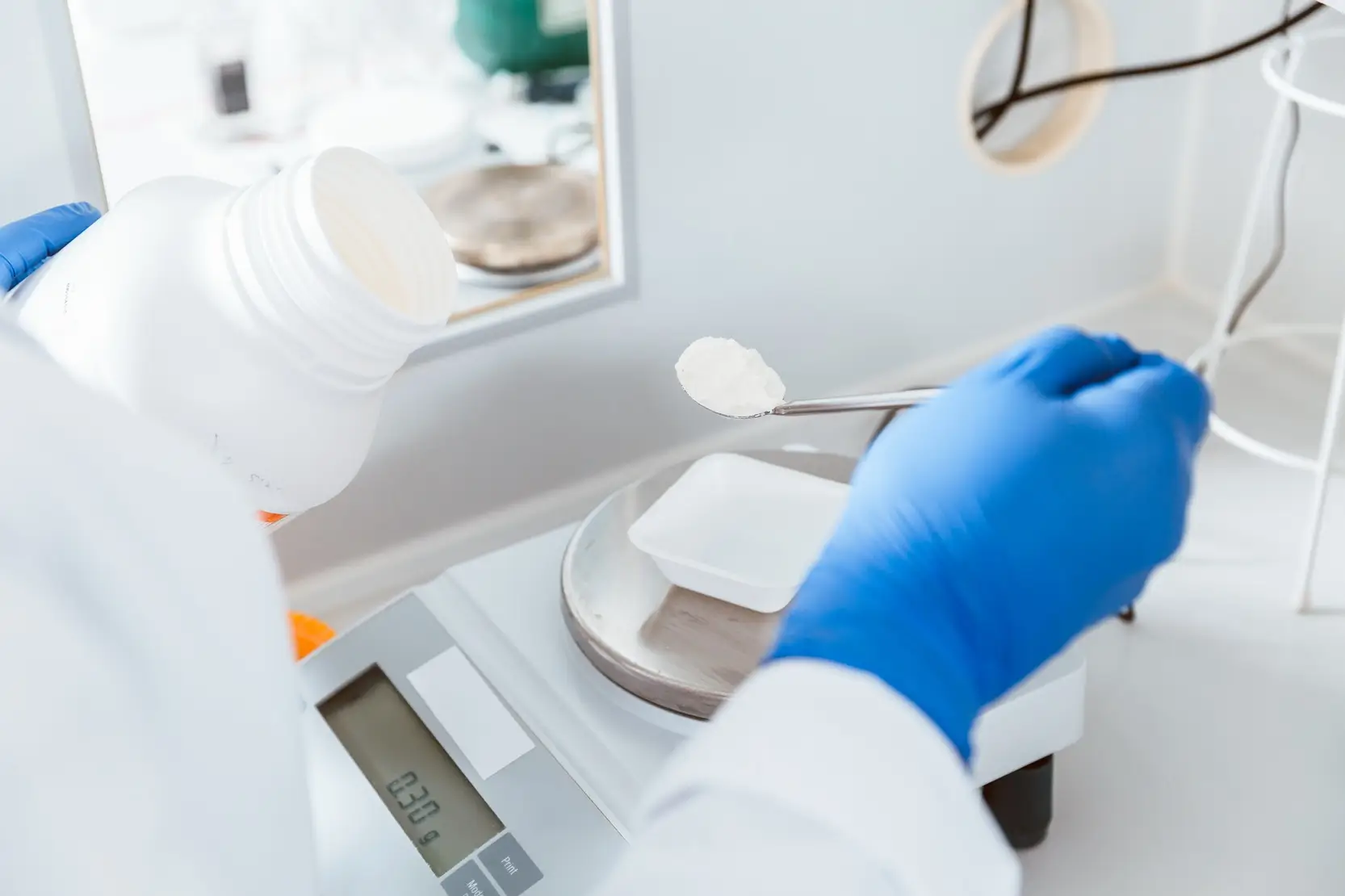
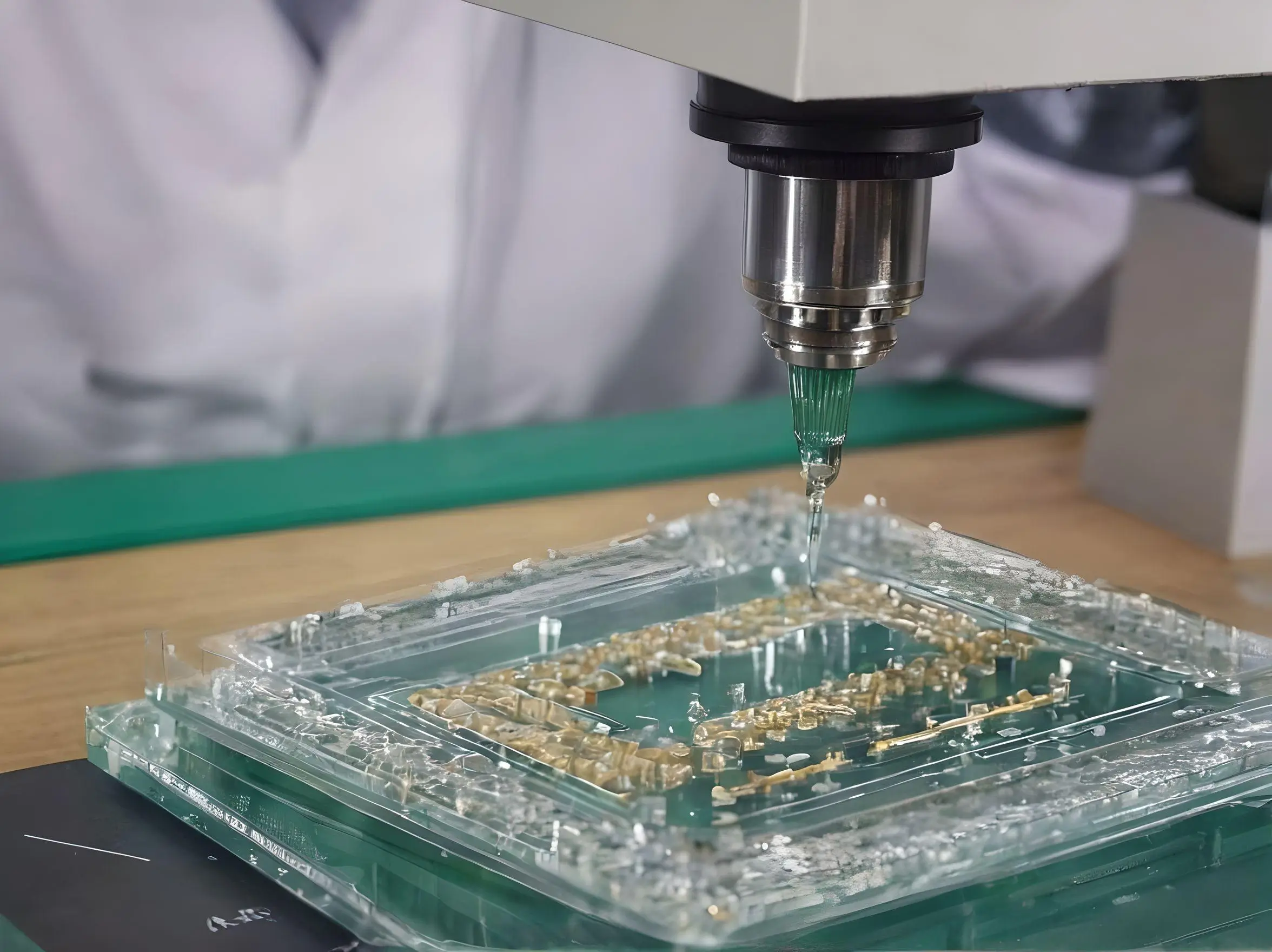
Powder processing techniques are the backbone of material transformation in powder technology. From mixing and granulation to compaction and spray-drying, this section explores the methods and machinery that ensure efficiency, precision, and quality in handling powders. Discover how these techniques optimize material properties to meet diverse industrial requirements.

Featured Powder Processing Techniques articles

  • Operator inspecting a stainless-steel process line to minimize changeover losses in continuous powder lines.

    Changeover Losses in Continuous Powder Lines: 5 Fast Wins to Boost Efficiency

    Changeovers can quietly waste hours and tons of product in continuous powder lines. The cause is rarely a single fault. Most losses stem from small oversights that add up—sticky residues, trapped air, timing mistakes, or slow cleanups. Focusing on five targeted actions can reclaim yield, reduce downtime, and improve consistency without incurring new [...]

  • Macro view of laser-assisted bioprinting: a clean ligament ejects a micrometer droplet onto a glass substrate patterned with droplets.

    Case Study: Powder Technology Principles in Laser-Assisted Bioprinting

    Table of contents Executive Summary laser-assisted bioprinting powder principles show the benefits of particle thinking. Treat every printed droplet as a living particle. Then use the same physics that guide powders to design jetting, impact, packing, and maturation. This frame reduces trial and error and gives teams a shared [...]

  • Powder Technology Guide

    The Ultimate Guide to Powder Technology

    Powder technology is the backbone of precision manufacturing and process optimization. Industries that master it, through deep control of particle size, flowability, and morphology, gain critical advantages in processes like mixing, granulation, milling, and blending. Whether developing pharmaceuticals, producing food powders, printing metal parts, or enhancing materials, success hinges on understanding how powders [...]

  • Advanced Powder Characterization

    Advanced Powder Characterization Techniques

    In this article, we will take a glance at the Advanced Powder Characterization techniques, that are currently available. Characterizing powders is a deceptively complex challenge. At first glance, it might seem that measuring particle size, bulk density, or flowability should tell us all we need to know. But anyone working with powders knows better. [...]

  • Powders and Coatings in Orthopedic Implants

    Powders and Coatings in Orthopedic Implants

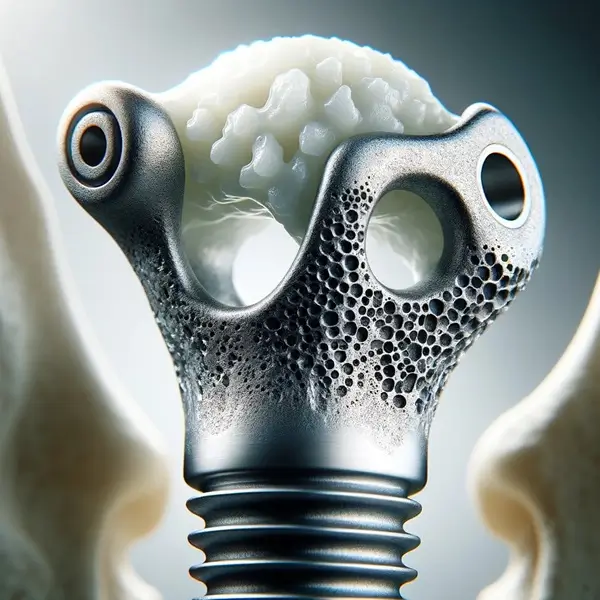
    Through the innovative use of Powders and Coatings in Orthopedic Implants, the landscape is changing in a great way. Orthopedic implants, used to replace damaged bones such as the femur, tibia, fibula, humerus, or acetabulum, rely on anatomically designed biomaterials and advanced surface engineering. These innovations ensure implants are durable, biocompatible, and capable [...]

newsletter icon

News And Articles In Your Inbox

Sign up and receive PowderTechnology.info news, articles, and content from our partners in a quick and easy monthly newsletter.

You have been successfully subscribed.
There was an error trying to subscribe. Please try again later.
Powder Processing Techniques - Mixing and Blending

Powder Processing Techniques: Mixing and Blending

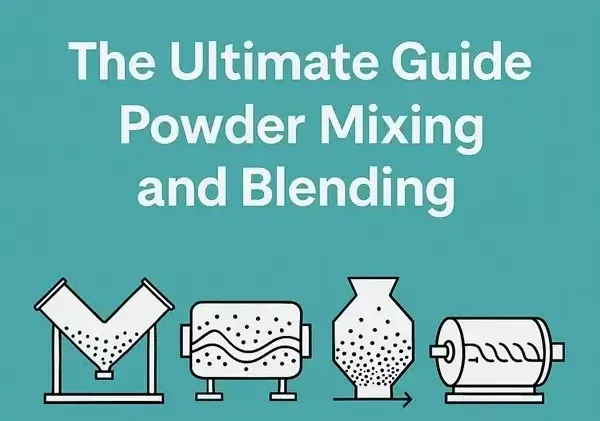
Mixing and blending are fundamental processes in powder technology, ensuring uniform distribution of components to achieve consistent product quality. Whether combining powders, incorporating additives, or preparing materials for downstream processes, precision and efficiency are critical. Explore various mixing techniques, including ribbon, paddle, and high-shear mixers, each tailored to specific material behaviors and production needs. Proper blending minimizes segregation, enhances homogeneity, and optimizes material performance for diverse industrial applications.

Featured Powder Mixing and Blending  articles

More Mixing Articles
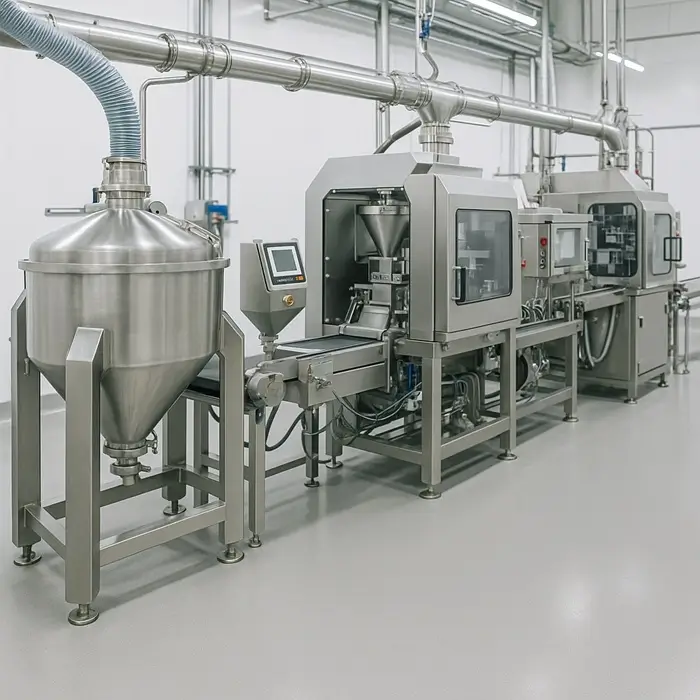
Powder Processing Techniques: Granulation and Agglomeration

Granulation is a vital process in powder technology, transforming fine powders into larger, more cohesive granules. This improves flowability, reduces dustiness, and enhances handling properties. Techniques such as wet granulation, fluidized bed granulation, and melt granulation are tailored to specific material requirements and applications. Granules created through this process find extensive use in pharmaceuticals, fertilizers, and food industries, where uniform size, density, and performance are critical. Proper control of parameters ensures consistent quality and optimizes downstream processes.

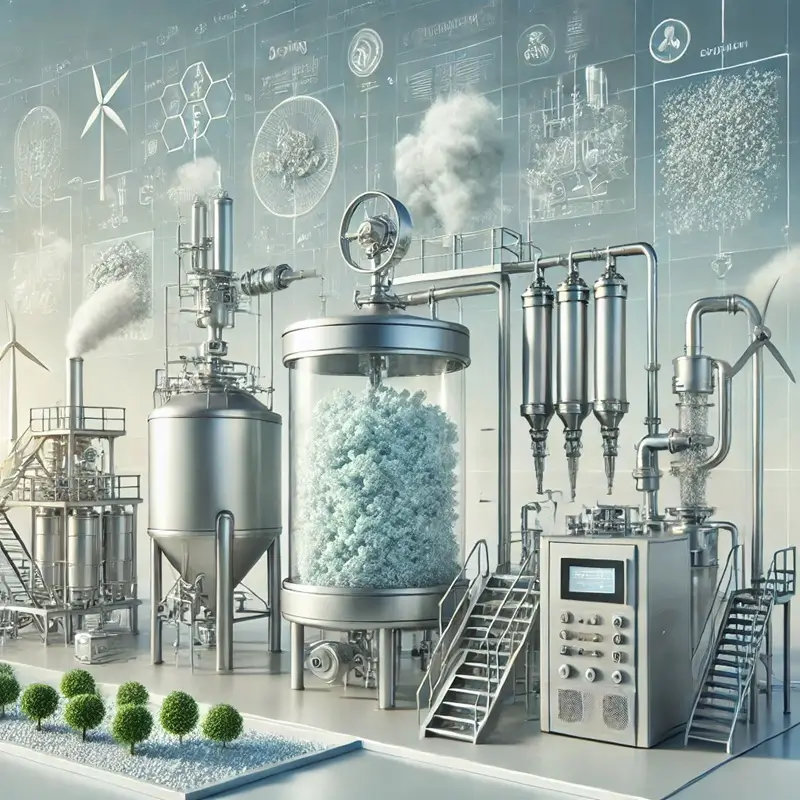
Powder Processing Techniques - Granulation and Agglomeration

More Granulation Articles

Featured Granulation and Agglomeration  articles
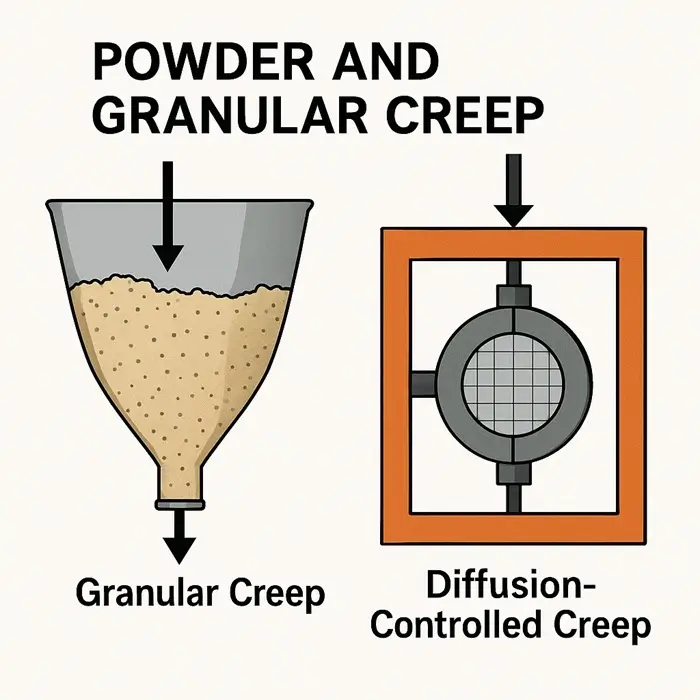
  • Square hero illustrating powder creep mechanisms: granular creep in a hopper and diffusion creep in a tensile frame.

    Powder and Granular Creep: Mechanisms, Testing, and Control

    Powder creep mechanisms occur in various ways; powders creep in bins. Sintered parts creep in engines. The mechanisms differ, yet design control is possible. Use tight feedstock control, smart consolidation, and tuned heat schedules. Then match the grain size, γ′ fraction, and boundaries to the service window. Validate with proper creep tests and [...]

  • Deep-sea particle dynamics for powder engineering: marine snow with diatom chains sinking.

    Deep-Sea Particle Dynamics, Through a Powder Lens

    vDeep-sea particle dynamics show powder engineering mechanics in powder dynamics. Deep trenches act as natural particle processors. Marine snow, fecal pellets, and mineral dust form fast-sinking aggregates that carry microplastics and fines to the seafloor. The same physics governs industrial powders. Shape, density contrast, aggregation, and turbulence set fate and wear. Engineers can [...]

  • Sand In Construction

    Sand in the Construction Industry: The Unsung Hero

    Table of Content It’s easy to overlook sand, yet this simple material plays an extraordinary role in shaping the modern world. From ancient wonders to today’s towering skyscrapers, sand has been a cornerstone of construction. This article explores why sand is so essential, the different types used, and the challenges [...]

More Granulation Articles

Powder Processing Techniques - Spray-drying

Powder Processing Techniques: Spray-Drying

Spray-drying is a highly efficient technique for converting liquid solutions or suspensions into fine, dry powders. This process uses atomization and rapid drying to create uniform particles with controlled size and moisture content. Widely used in food, pharmaceuticals, and ceramics, spray-drying ensures precision and scalability. By optimizing parameters like nozzle type, temperature, and airflow, manufacturers can produce powders with tailored properties to meet diverse application demands.

Featured Spray-Drying articles

  • Photorealistic image of industrial spray drying equipment with powder being collected in a stainless steel container

    Modern Spray Drying: Methods and Limitations

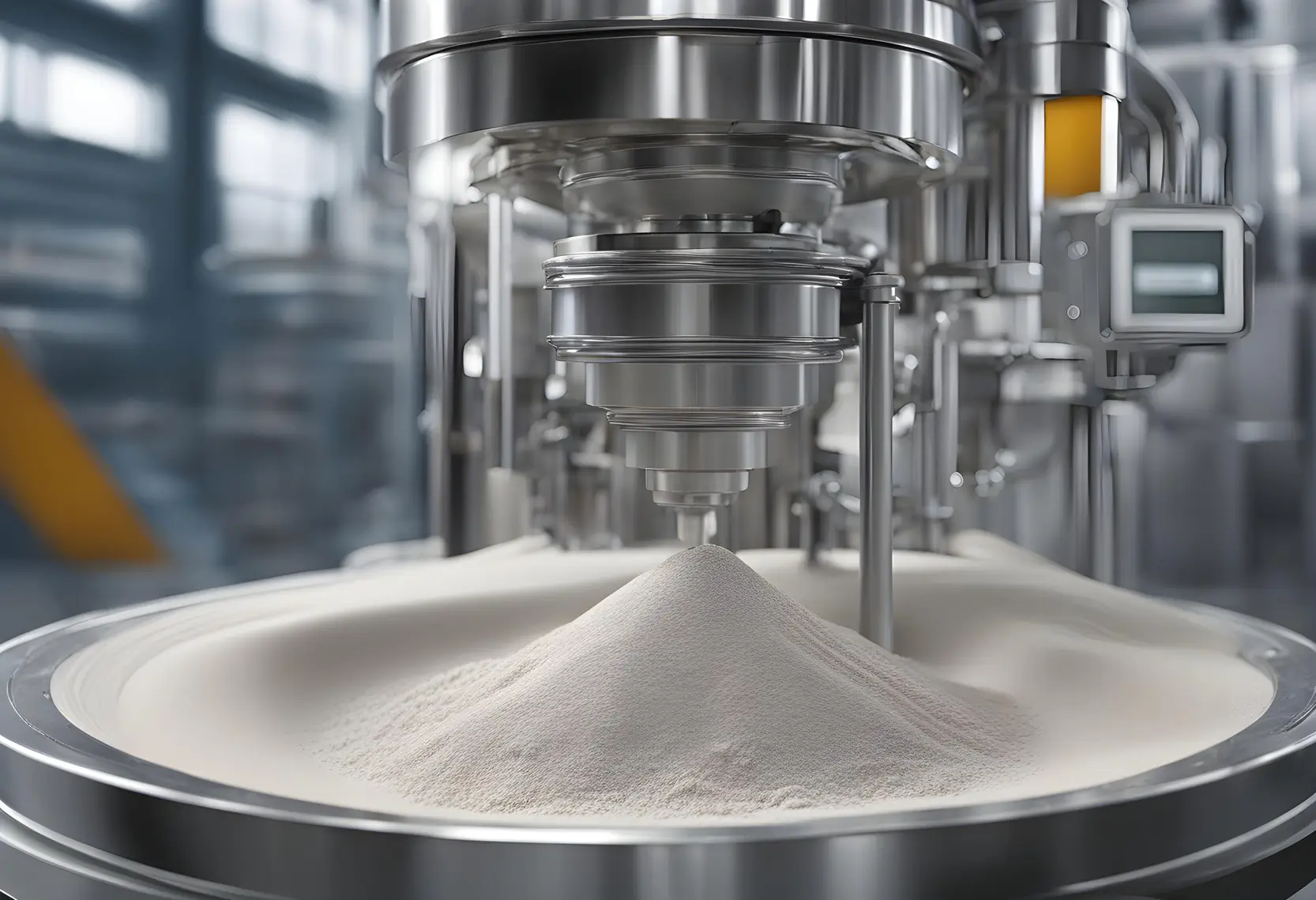
    Spray drying technology transforms liquids into powders with high precision and control. Emerging methods like pulse combustion, electrostatic, and nano spray drying improve energy efficiency and product performance, but most remain limited by scale. Despite this, spray drying remains essential in pharmaceuticals, food, and energy industries due to its versatility, stability, and ability [...]

  • Porosity in food powders

    Functional Importance of Porosity in Food Powders

    Porosity significantly influences the functional characteristics of food powders, affecting hydration, solubility, compressibility, and shelf life. By precisely controlling porosity, manufacturers can optimize product performance, whether achieving quick rehydration in spray-dried milk powder or enhancing shelf stability in roller-milled wheat flour. Understanding and manipulating porosity is crucial for maintaining quality in food processing [...]

  • Powder Technology use in Protein Stability and Unfolding Research

    Protein Stability and Unfolding though Powder Technology

    In this article we will cover Protein Stability and Unfolding with the use of various Powder Technology techniques. Proteins, made of amino acid chains, function as life’s transformer machines. They serve as building blocks for nearly all biological processes. These complex molecules include essential and non-essential amino acids. They help build and repair [...]

More Spray-Drying Articles

Powder Processing Techniques: Compaction

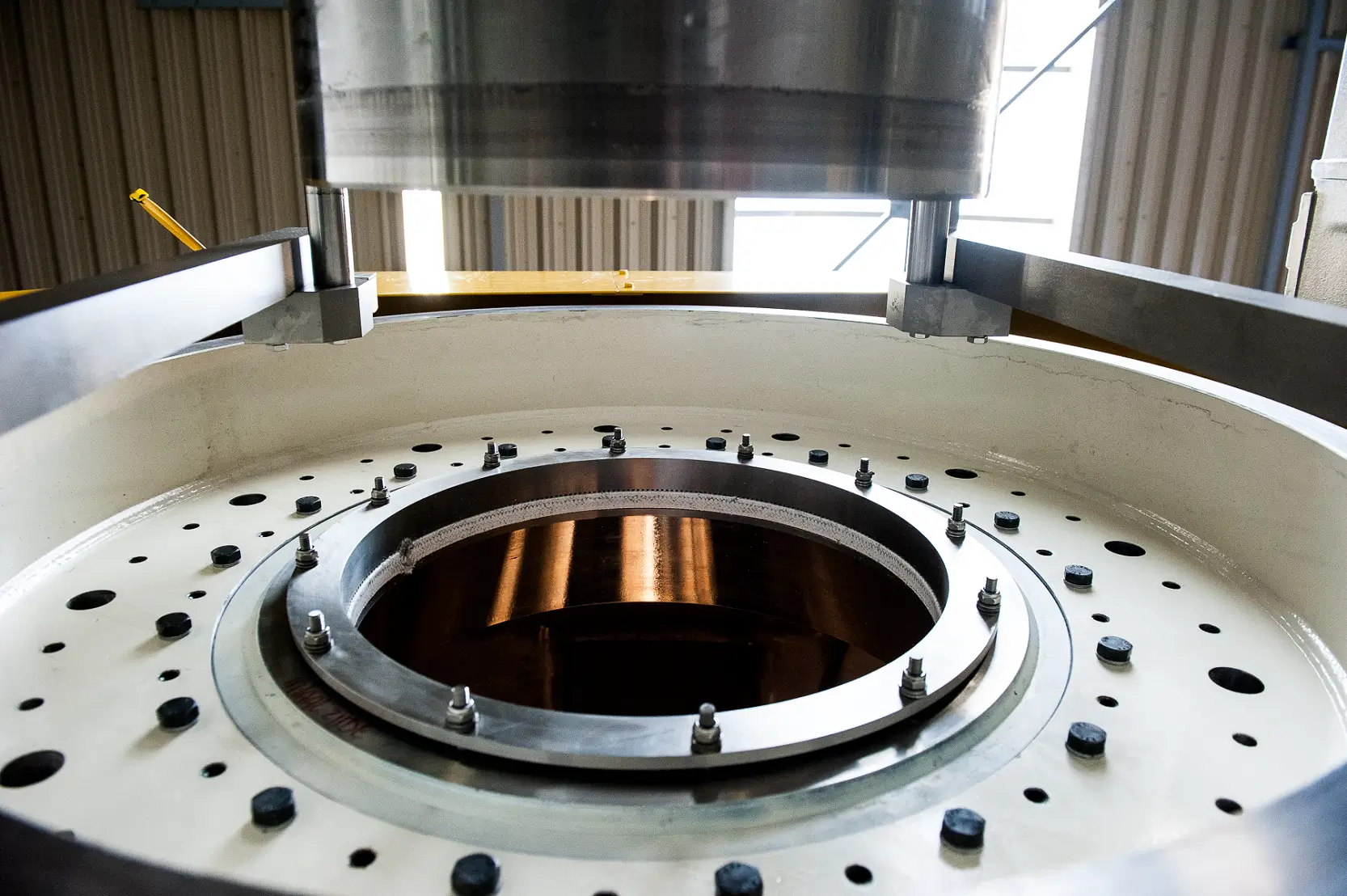
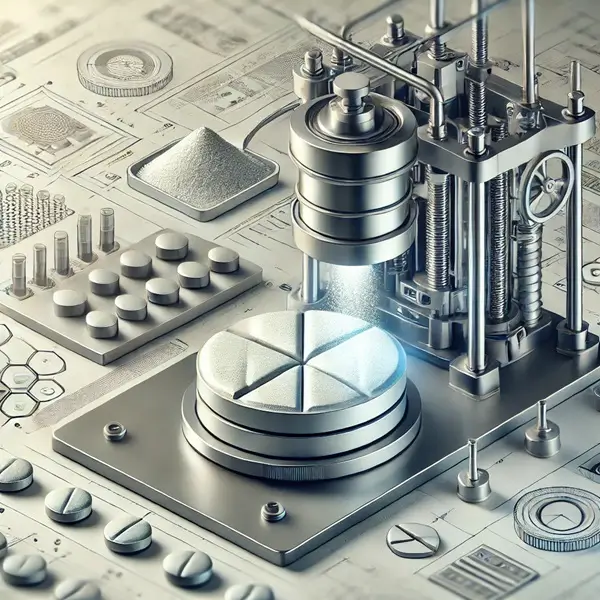
Compaction transforms powders into solid forms, enhancing material stability and usability. This process applies pressure to powders, creating compressed shapes such as tablets, pellets, or briquettes. Equipment like roller compactors and tableting presses ensure uniformity and density, tailored to specific material properties. Compaction improves handling, reduces storage volume, and meets functional requirements, making it indispensable in industries such as pharmaceuticals, metallurgy, and construction.

Powder Processing Techniques - Compaction Equipment

Featured Compaction articles

  • Close view of mixed industrial powder with visible size contrast, suggesting flow and segregation behavior

    The Dictators of Powder Behavior: A practical guide to powder behavior control in production

    Powder behavior control starts with fifteen core factors. Tune particle size, shape, surface energy, moisture, charge, and environment. Use ring shear, Hausner ratio, and DEM insights to design predictable flow, mixing, and compaction. Table of contents Powder behavior control starts with particle size, it sets [...]

  • Square hero illustrating powder creep mechanisms: granular creep in a hopper and diffusion creep in a tensile frame.

    Powder and Granular Creep: Mechanisms, Testing, and Control

    Powder creep mechanisms occur in various ways; powders creep in bins. Sintered parts creep in engines. The mechanisms differ, yet design control is possible. Use tight feedstock control, smart consolidation, and tuned heat schedules. Then match the grain size, γ′ fraction, and boundaries to the service window. Validate with proper creep tests and [...]

  • Laboratory ring shear tester and FT4 powder rheometer measuring powder flow test methods.

    Selecting and Comparing Powder Flow Test Methods (including PDF guides)

    No single flow test defines powder behaviour completely. Each method measures different aspects, so the right choice connects lab data with real process performance. Table of contents Introduction: Why flow tests are not interchangeable Powder handling drives output, cost, and quality. Yet people still [...]

More Compaction Articles

Powder Processing Techniques - Coating Processes

Powder Processing Techniques: Coating Processes

Coating processes play a crucial role in modifying the surface properties of particles to enhance functionality, durability, or aesthetic appeal. This involves applying a uniform layer to powders using techniques such as drum coaters or fluidized bed systems. Coating can improve flowability, protect against environmental factors, or impart desired chemical or physical properties. Achieving a consistent and precise coating is essential for ensuring performance and meeting industry standards in applications ranging from pharmaceuticals to advanced materials.

Featured Coating articles

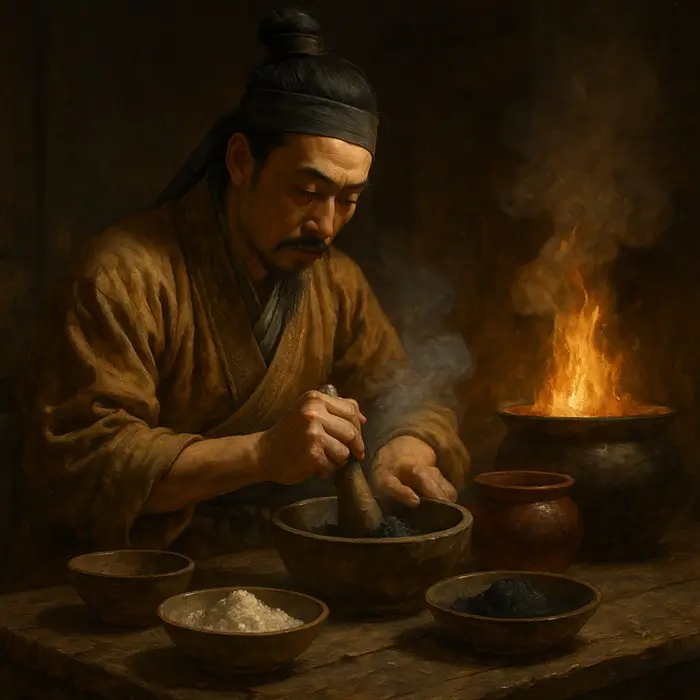
  • Ancient powder technologies illustrated by a Tang dynasty alchemist grinding early gunpowder ingredients.

    Ancient Powder Technologies: Metallurgy, Pigments, and Gunpowder Before Western Reinvention

    Ancient civilizations mastered powder processing long before modern science. What we call invention today is often reinvention built on their legacy.Ancient civilisations mastered powder processing long before modern science. What we call invention today is often reinvention built on their legacy. AAncient civilisations mastered powder processing on a cause-and-effect level, long before modern [...]

  • Close-up of a sealed industrial powder drum showing internal condensation, symbolizing moisture-driven powder degradation during storage.

    The Slow Collapse of “Stable” Powders: powder aging and degradation

    Powders degrade quietly. Over time, even stable materials shift in chemistry, structure, or surface behavior. This invisible drift affects flow, reactivity, and product reliability. Understand it—or risk chasing symptoms you can’t trace. We trust storage too much. Stack the drums, seal the liners, label them “stable.” And we [...]

  • Magnetized Algae Microswimmers

    Magnetized Algae Microswimmers Navigate Confined Spaces with High Precision

    Researchers at the Max Planck Institute for Intelligent Systems (MPI-IS) have engineered magnetized algae microswimmers capable of navigating tight spaces with impressive speed and control. Published in Matter on March 17, 2025, this work explores how functionalized microalgae perform in confined and viscous environments—advancing applications in drug delivery and microscale material handling. [...]

More Coating Articles

More Coating Articles

Editor’s Picks