
Welcome to PowderTechnology.info - Today is : September 10, 2026

Dense-Phase vs Dilute-Phase Pneumatic Conveying: Matching Conveying Mode to Attrition and Segregation Risk

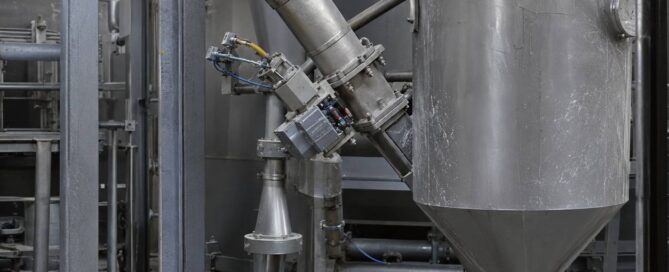
Dense-phase and dilute-phase pneumatic conveying create different particle contact mechanics, and the resulting attrition and segregation risk depends on velocity, solids loading ratio, and the powder's own attrition sensitivity, not on a fixed assumption about which mode is gentler.

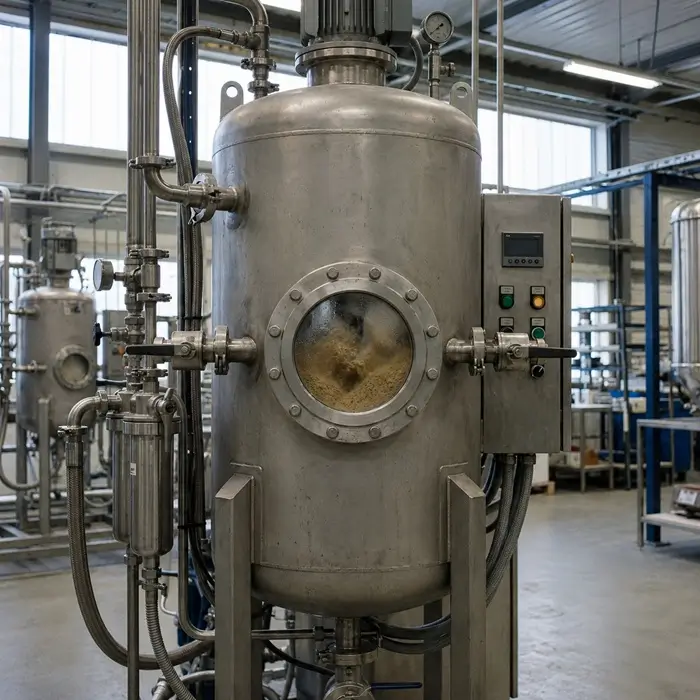
Fluidized Bed Processing in Powder Technology: Granulation, Coating, and Drying Through a Powder Behavior Lens

Geldart classification, minimum fluidization velocity, bubble dynamics, droplet-to-particle size ratio, and permeability all determine whether a fluidized bed process delivers controlled granule growth, uniform coating, or consistent drying at production scale.

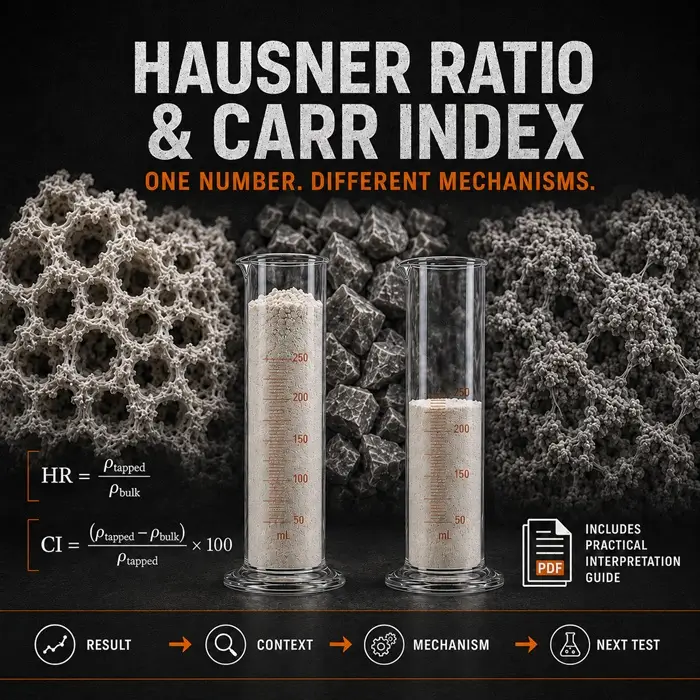
Hausner Ratio and Carr Index: What the Numbers Tell You and Where They Break Down

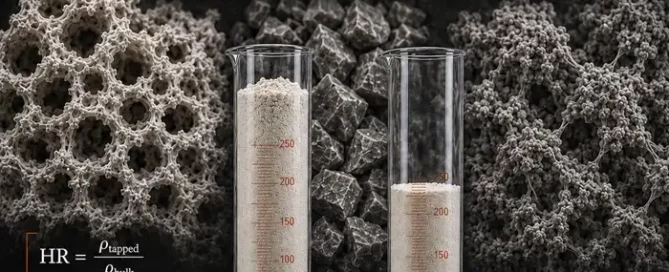
Both the Hausner Ratio and Carr Index reduce bulk and tapped density to a single number. The mechanism behind that number, whether aeration, particle shape, or surface cohesion, determines whether it supports a process decision or actively misleads one.

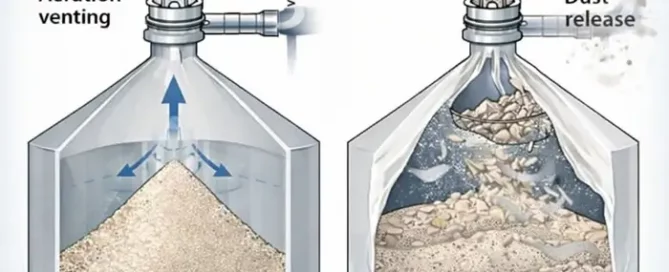
Calcium Carbonate Powder in Polypropylene: Dust Suppression and Dosing Errors

Dust suppression oil can reduce airborne calcium carbonate [...]

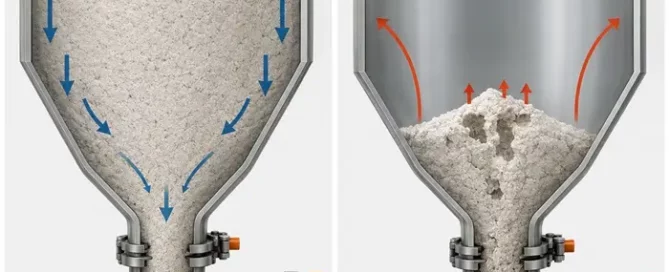
Why Hopper Fill Level Changes Powder Discharge

Do not diagnose a feeder as if the [...]

Powder Flowability: Factors and Measurement Techniques

Powder flowability is not one fixed property. A [...]

Loss in Weight Feeder Drift After Refill: The Refill Shock Mechanism and How to Diagnose It

Loss in weight feeder drift often starts at [...]

Functional Importance of Porosity in Food Powders

Article updated February 2026 Porosity controls hydration [...]

Powder Release Protocol: Sampling Rules and Acceptance Criteria Guide and Check-List

A powder release protocol is an incoming gate [...]

Deaeration lag, why “easy flowing” powders still surge

Deaeration lag in powders creates a timing mismatch [...]

Go to Top