

Welcome to PowderTechnology.info - Today is : August 19, 2026

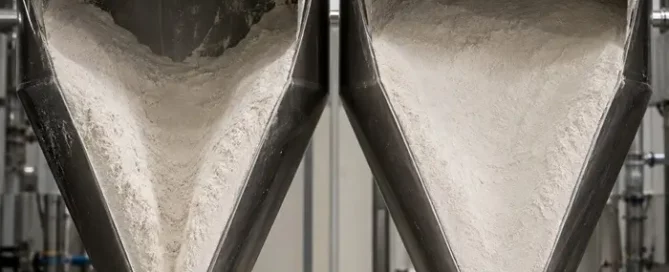
Powder Spreading in Powder Bed Fusion: What Recoater Interaction Reveals About Layer Defects

Powder spreading in powder bed fusion is a recoater-powder interaction shaped by cohesion, particle size distribution, and particle shape. This article maps streaking, short-feeding, and layer non-uniformity back to their underlying mechanisms and separates powder-driven causes from blade wear and spreading speed.

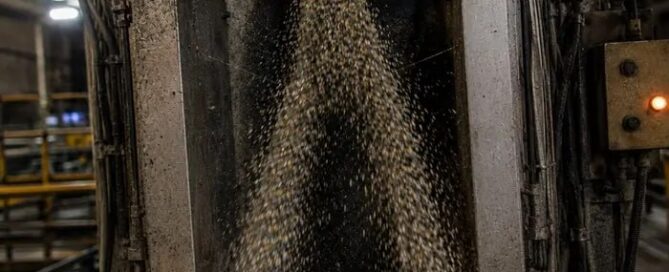
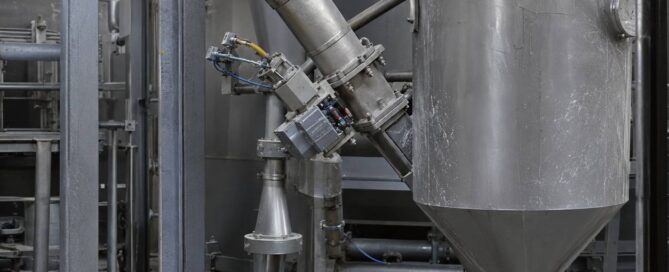
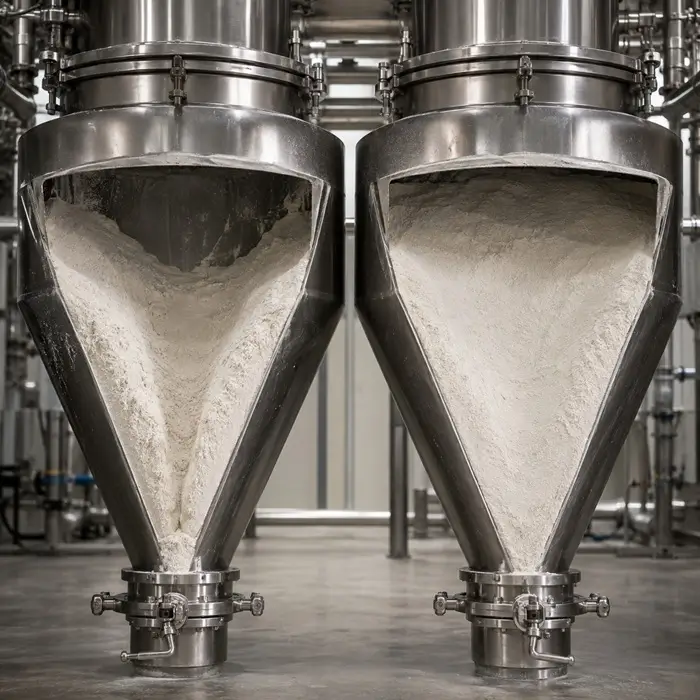
Dense-Phase vs Dilute-Phase Pneumatic Conveying: Matching Conveying Mode to Attrition and Segregation Risk

Dense-phase and dilute-phase pneumatic conveying create different particle contact mechanics, and the resulting attrition and segregation risk depends on velocity, solids loading ratio, and the powder's own attrition sensitivity, not on a fixed assumption about which mode is gentler.

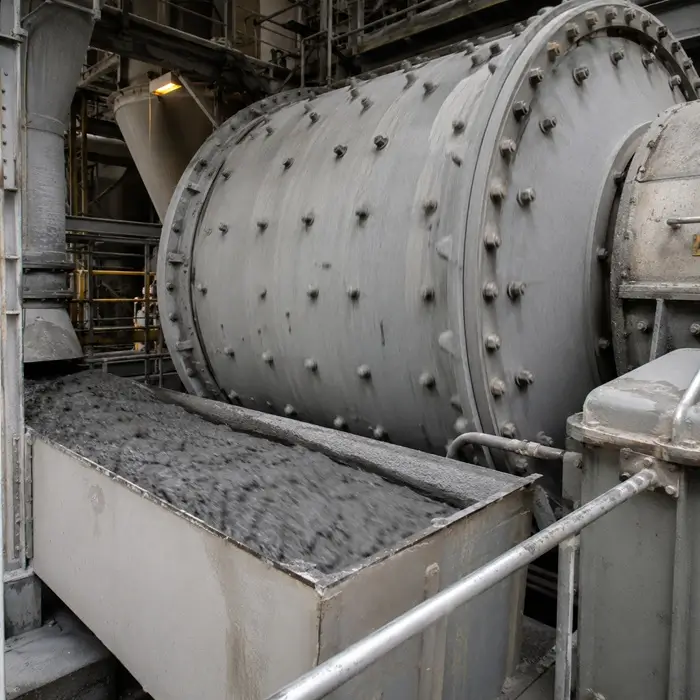
Cement and Concrete Powder Processing: Fineness, Grinding Aids, and Cementitious Reactivity

Cement fineness is not a single number. Blaine surface area, particle size distribution, grinding aid chemistry, and moisture history each pull on hydration reactivity in different ways, and a fineness specification that ignores any one of them will eventually let a bad batch through.

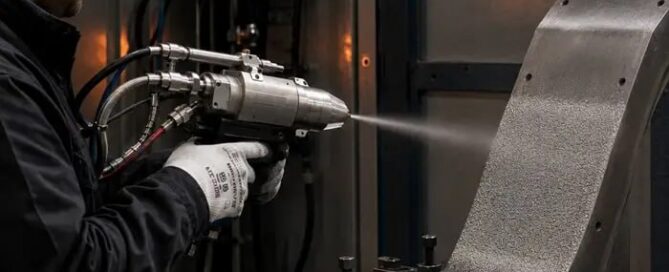
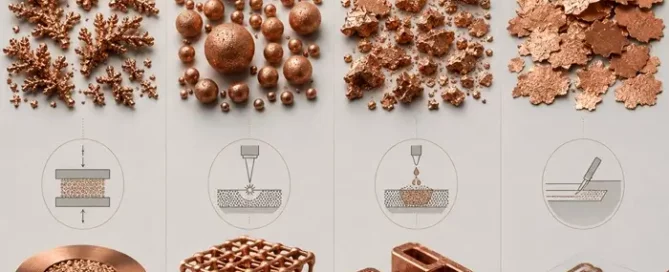
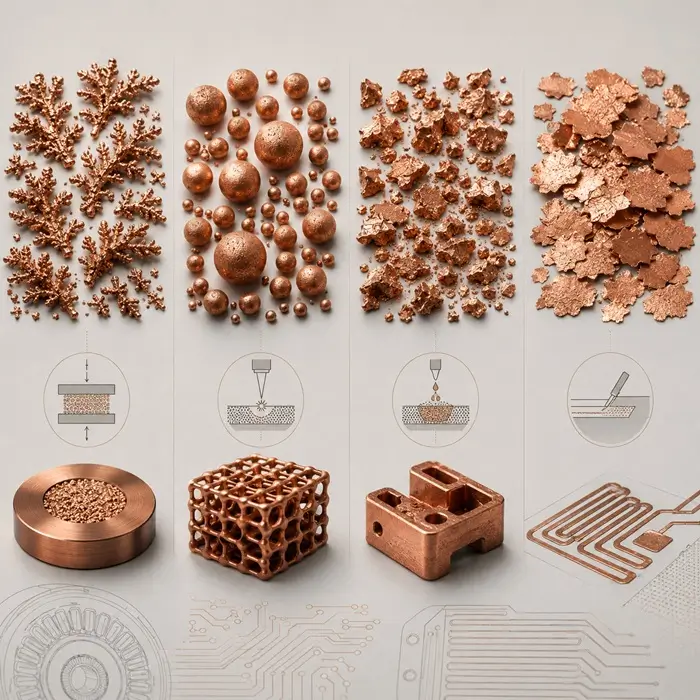
Copper Powder for Electrification: Why Morphology, Purity, and Packing Density Are Now Engineering Variables

Sintered contacts, additive manufactured heat exchangers, EV motor components, and conductive pastes each require a different copper powder. This article explains why morphology, particle size distribution, oxygen content, and packing density are engineering variables, and how to specify them correctly for electrification applications.

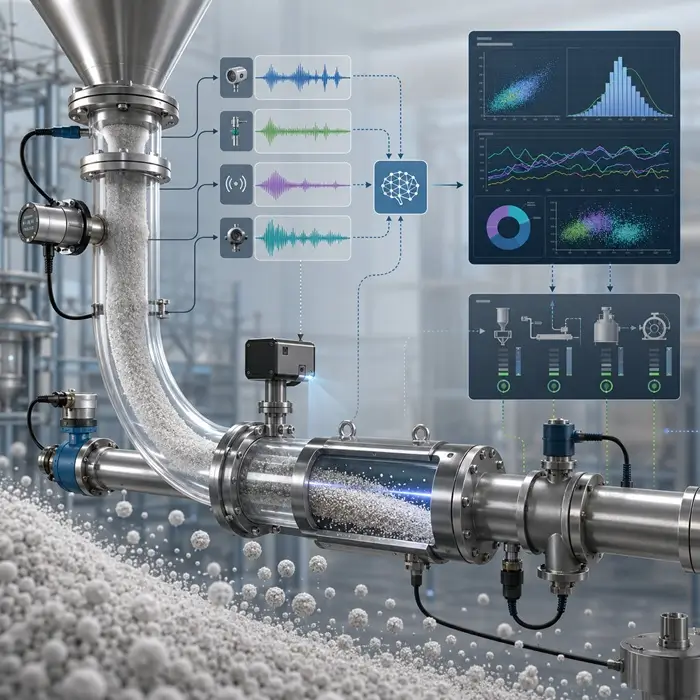
Real-Time Particle Characterization and Process Control

Real-time particle characterization is moving powder processing from [...]

Fines in Powder Behavior: Why Small Amounts Matter

Fines in powder behavior matter because fine particles [...]

Sustainable Powder Metallurgy: Powder Reuse, LCA, and Circular Manufacturing

Sustainable powder metallurgy depends on controlled powder loops, [...]

Coated Particle Damage Before Particle Size Changes

Coated particle damage can change performance before particle [...]

Metal Powder Feedstock Quality in Additive Manufacturing: From Particle Behavior to Part Performance

Metal powder feedstock quality has a direct effect [...]

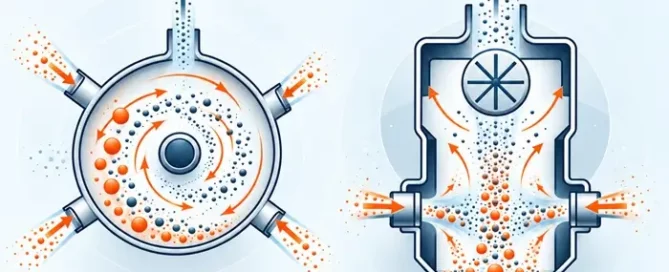
Particle Size Distribution Interpretation: Reading D10, D50, D90, Fines, and Oversize in Process Context

Particle size distribution interpretation has the most value [...]

Go to Top