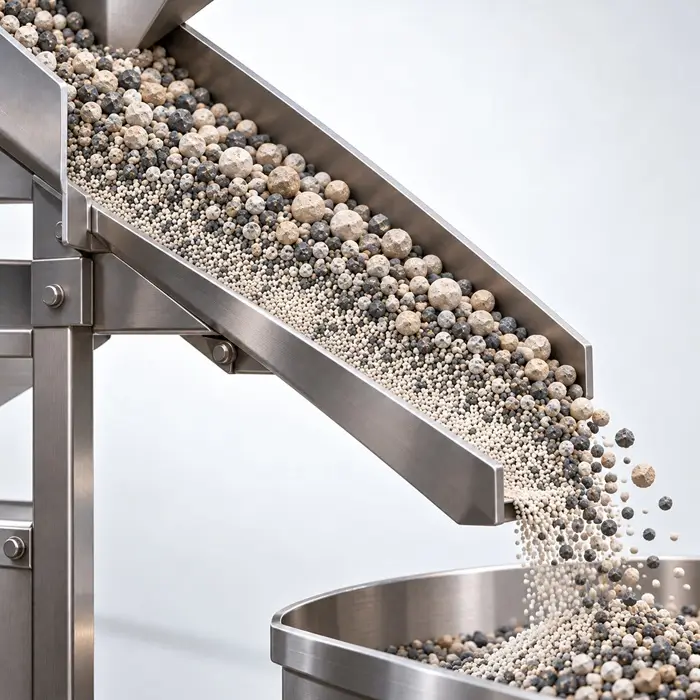

Why Can a Uniform Blend Segregate in a Chute?
A uniform blend can develop a particle-size gradient [...]
A uniform blend can develop a particle-size gradient [...]
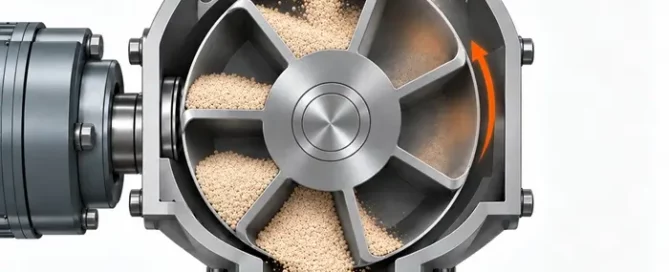
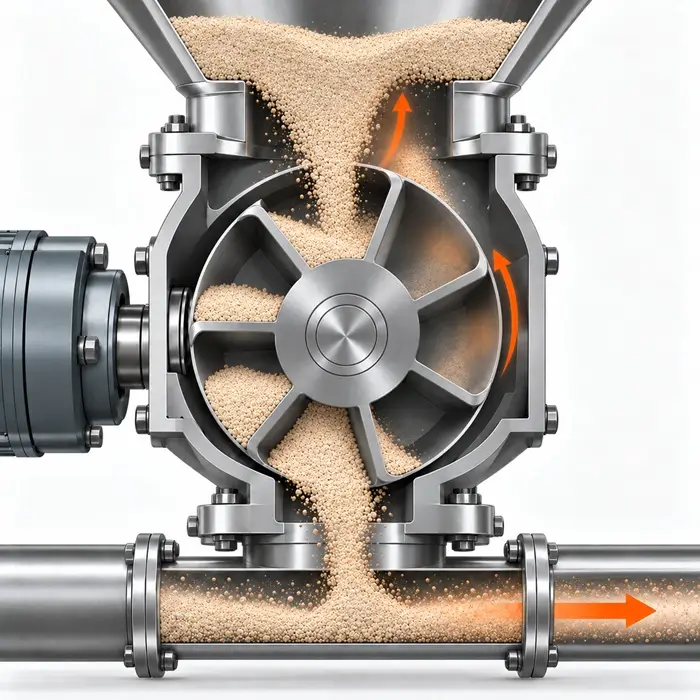
When a rotary airlock valve leaks, wears, or jams, the cause usually lies in the powder rather than the equipment. This insight maps cohesion, abrasiveness, bulk density, and particle size distribution to distinct failure patterns and explains what each pattern tells you about the powder state.
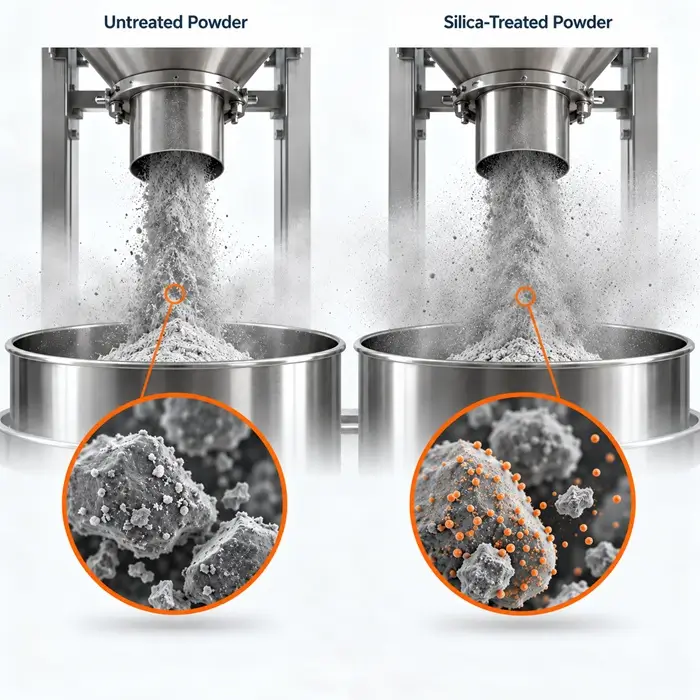
An additive that improves powder flow or caking [...]
Do not diagnose a feeder as if the [...]
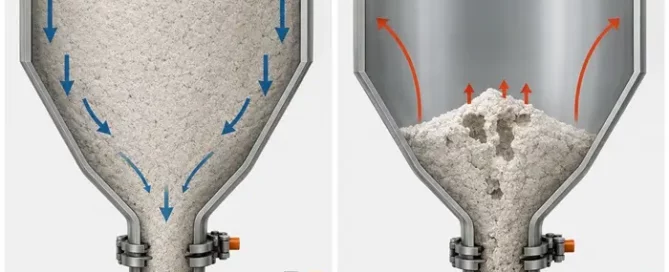
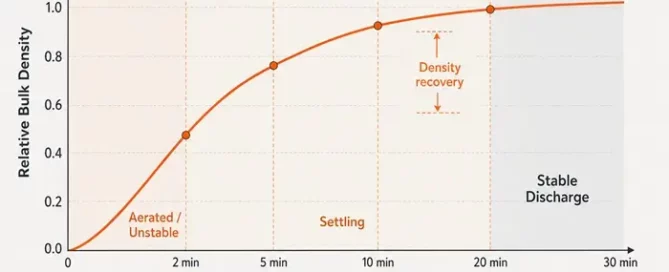
Powder instability after conveying, filling, or transfer [...]
Fine powder fluidization can support controlled pneumatic conveying, [...]
A powder operating window defines the process [...]
Fines in powder behavior matter because fine particles [...]
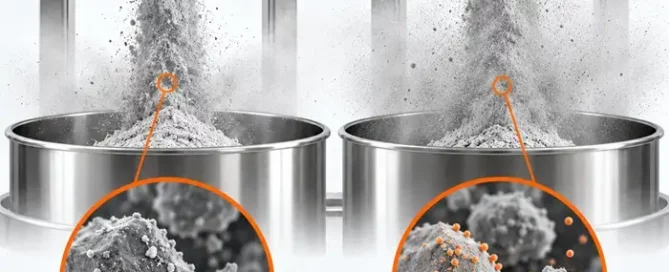
Dust control in powder handling works best when [...]
Acoustic emission for flow blockage prediction captures high-frequency [...]

Practical powder science for engineers, scientists, and process specialists.
Connect powder behavior to relevant measurements and better process decisions.
© 2026 PowderTechnology.info. All rights reserved.