
Moisture Sensitivity
Moisture sensitivity refers to how materials react to exposure to humidity or water, affecting their stability, performance, and usability. This property is critical in industries like pharmaceuticals, food, and electronics, where excess moisture can lead to degradation, clumping, or reduced functionality.
On this page, explore the causes of moisture sensitivity, its effects, and strategies to mitigate risks, ensuring product quality and reliability.
Featured Moisture Sensitivity Articles

Powder Operating Window: Why a Good Powder Fails in the Wrong Process
A powder operating window defines the process conditions in which a material behaves reliably. When a powder meets specification but still fails during handling, storage, feeding, or processing, the crossed boundary often lies in consolidation stress, wall friction, aeration, humidity, wetting behavior, segregation, temperature, or time. Useful diagnosis starts by finding that [...]
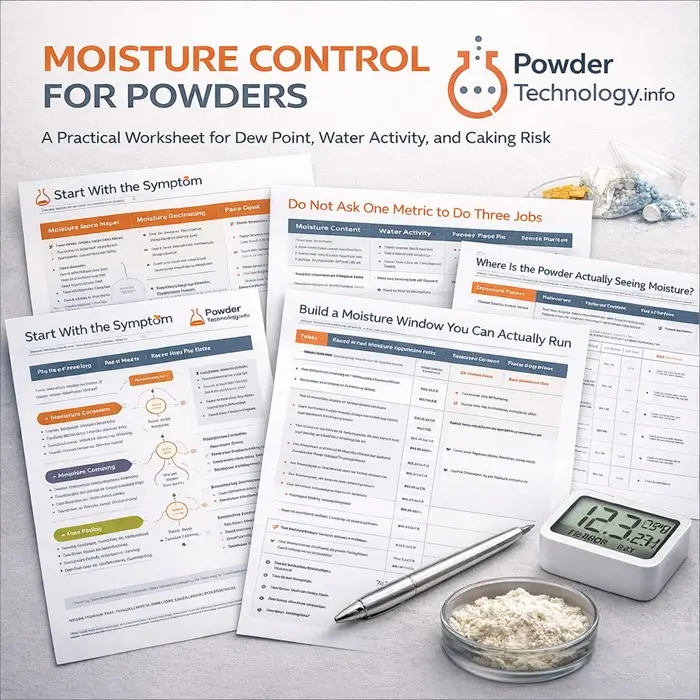
Moisture Control for Powders: Dew Point, Water Activity, and Caking Windows
Moisture control for powders breaks down when teams treat water as one number. Moisture content, water activity, and dew point answer different questions. Moisture content tells you how much water is present. Water activity shows how available that water is to drive caking, sticking, and flow loss. Dew point shows whether the surrounding [...]
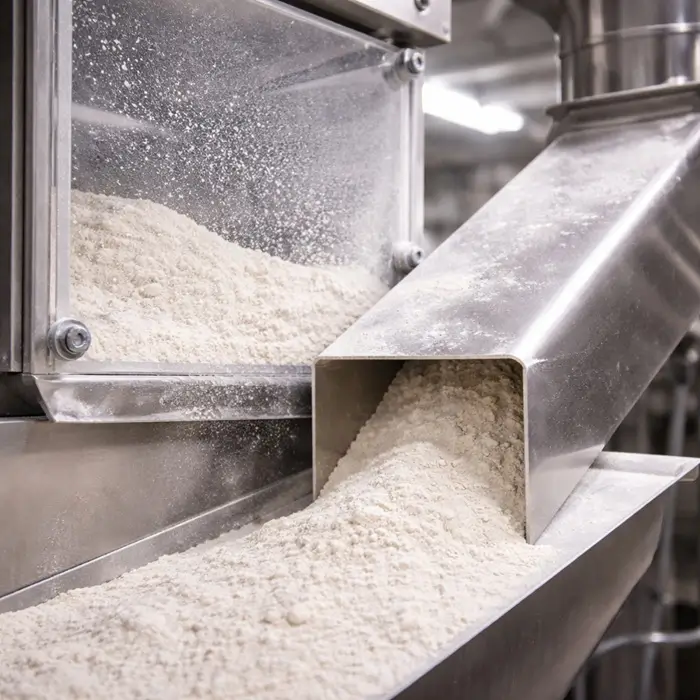
Triboelectric Charging in Powders: Why Humidity Matters
Triboelectric charging in powders is not fixed by a single material ranking. In dry air, electron transfer often explains a large part of the behavior. As humidity rises, adsorbed water changes the interface, increases charge relaxation, and can shift the balance toward ion-related effects. Surface chemistry decides how that interface behaves. That is [...]
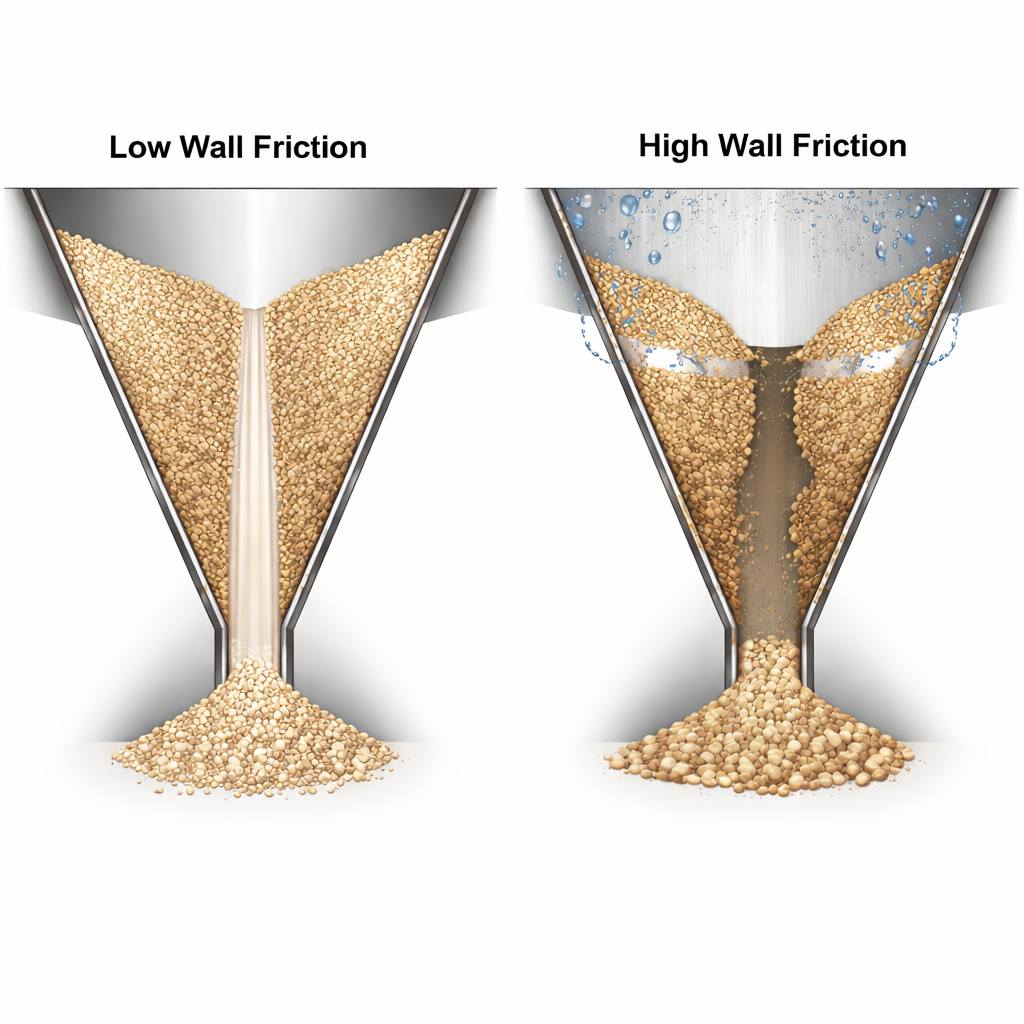
Wall Friction Drift in Hoppers: Why Discharge Degrades Over Time
Many hopper issues are boundary-limited. Wall friction drifts upward over time, so discharge fails even when specs look unchanged. Measure wall friction at operating stress and humidity, then fix the wall first. This is not arching theory This is not a generic “bad flowability” story. It is [...]

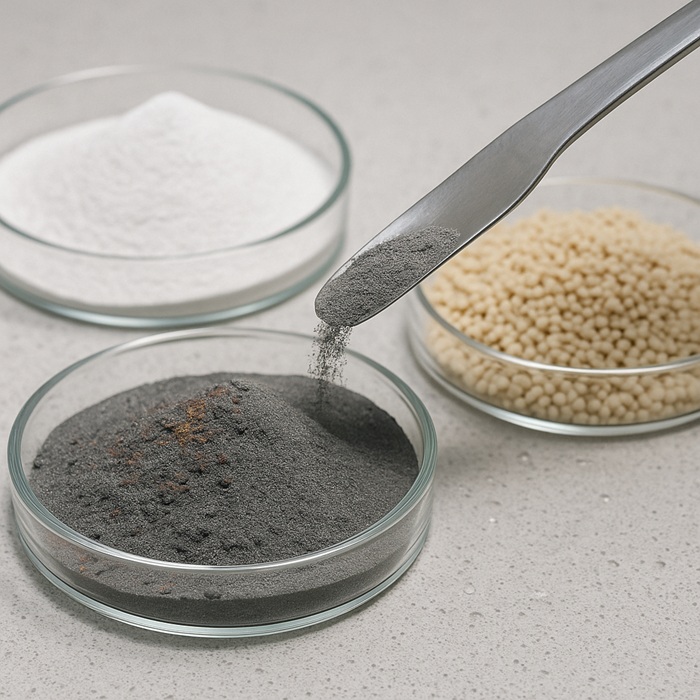
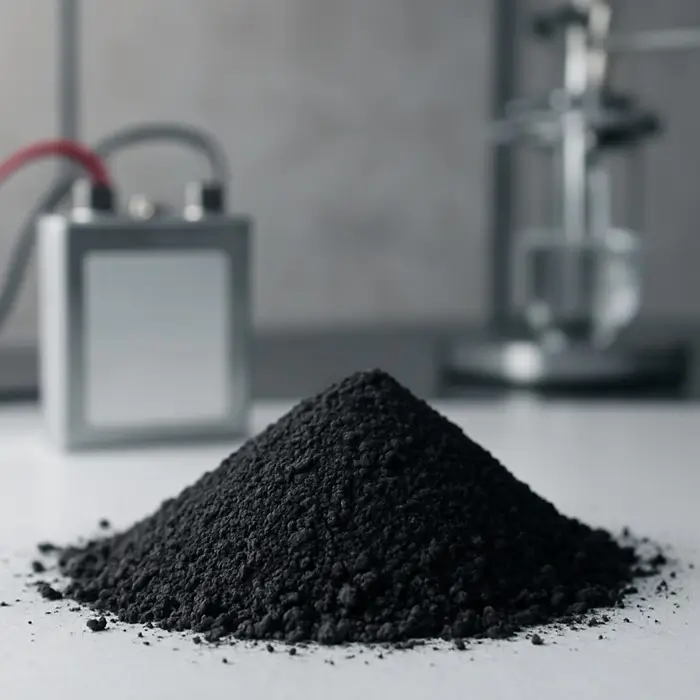
Sulfide Solid Electrolytes: The Powder Barrier to Solid State Batteries
Sulfide solid electrolytes promise fast ion transport and strong stack contact. Yet powder reality decides whether that promise survives scale-up. Moisture exposure can degrade surfaces and generate H2S. Meanwhile, compaction history controls density, contact, and resistance drift. Treat sulfide solid electrolytes as reactive bulk solids, and your program learns faster. [...]

News And Articles In Your Inbox
Sign up and receive PowderTechnology.info news, articles, and content from our partners in a quick and easy monthly newsletter.
More Moisture Sensitivity Articles
 Published On: 18 October 2025
 Published On: 27 September 2025
 Published On: 13 September 2025
 Published On: 23 August 2025
 Published On: 9 August 2025
 Published On: 15 June 2025
 Published On: 24 May 2025
 Published On: 5 April 2025
 Published On: 29 March 2025