
This is not arching theory
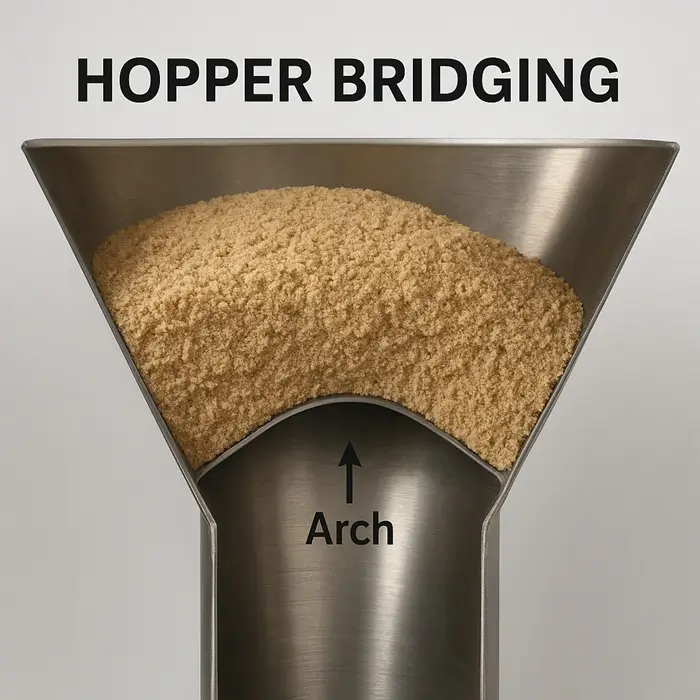
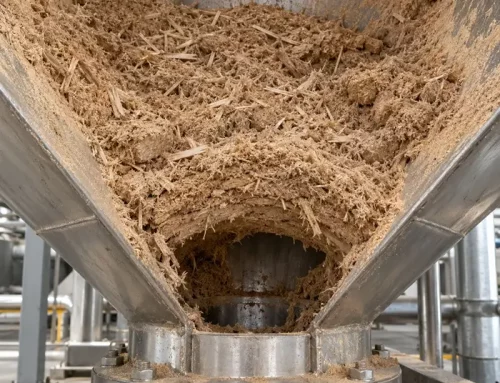
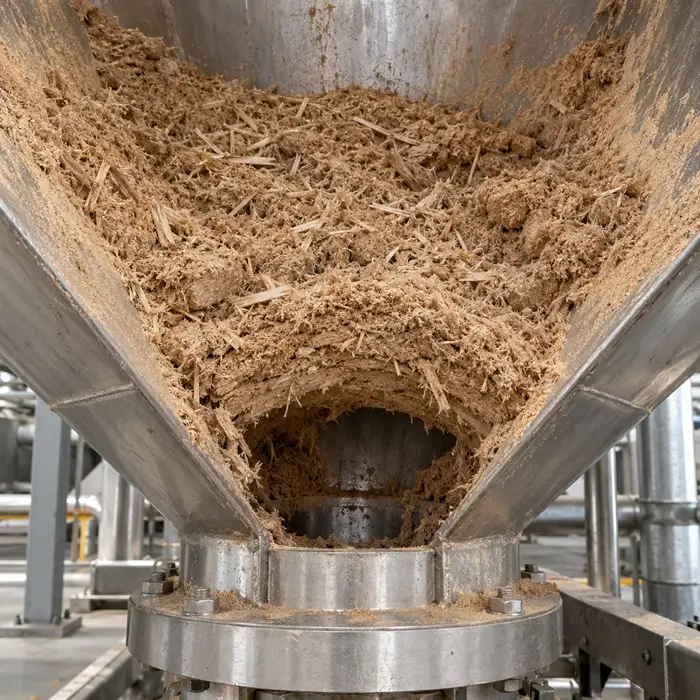
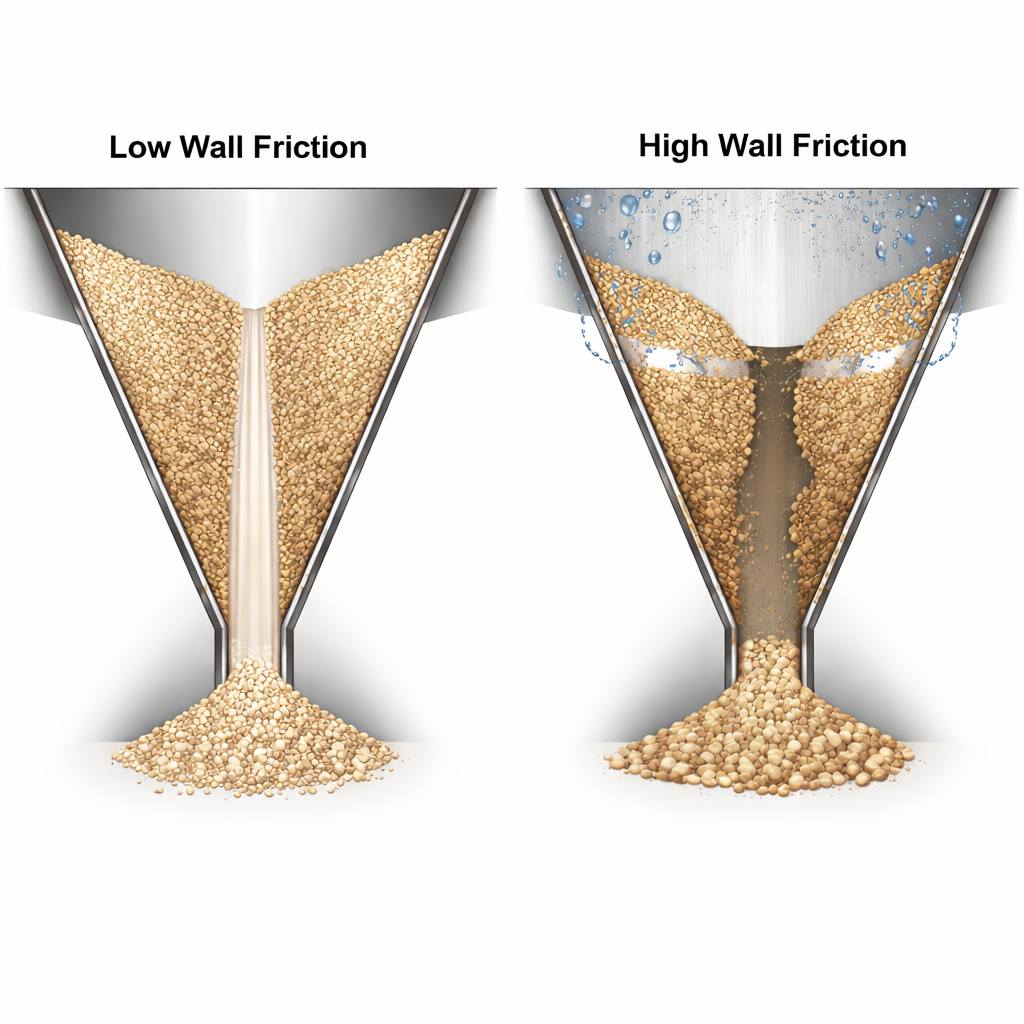
This is not a generic “bad flowability” story. It is a boundary story. Your powder must slide along the wall while shearing internally. When the wall grabs, the flow channel narrows, and discharge becomes unstable. High wall friction pushes flow toward funnel flow, which creates stagnant zones and ratholes.
Teams often blame the powder because bulk tests look mediocre. However, the wall can change faster than the powder. Wear, polishing, product films, and cleaning residues all shift the friction. Humidity cycling can also add thin films that behave like glue.
Please check out our The Ultimate Guide to Powder Flow and Flowability Testing
What wall friction drift looks like in the plant
Look for a repeatable failure pattern. A strong startup surge followed by a stall at a similar fill level often signals boundary control. Vibration may help briefly, yet the stop returns under the same conditions. If cleaning restores flow but performance degrades again within days or weeks, suspect residues or film growth.
Wall clues show up visually, too. Polished bands, smears, or deposits often mark the true sliding zone. These clues do not prove the cause, but they tell you what to test first.
Check out our article, Selecting and Comparing Powder Flow Test Methods
The measurement that settles the argument
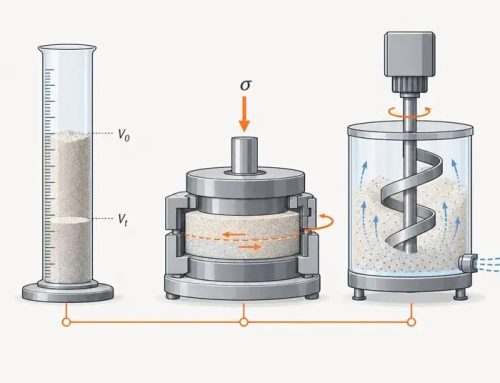
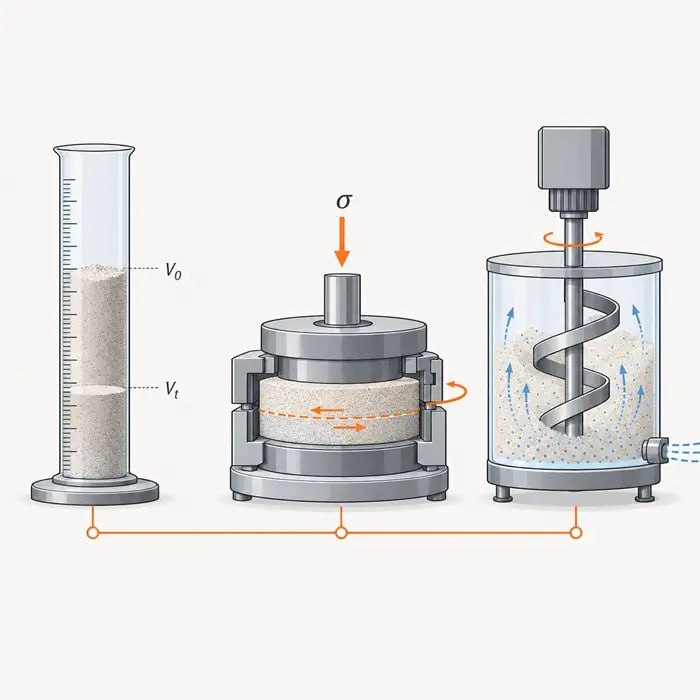
Run a wall friction test in a shear cell using a coupon of the real wall surface. “Real” means the correct material, finish, and wear state. If films or smears are plausible, test a fouled state as well. Include the cleaned state as well, because residues can increase friction.
Next, test at normal stresses representative of the hopper cone region. Light lab loads can hide a high-friction regime. Moisture conditioning matters as well, because thin films can change sliding behavior fast. Condition both powder and coupon to the humidity range you actually see.
The result tells you whether the current wall and angle can support mass flow. If wall friction is too high, geometry and surface set the discharge limit.
Check out our article Shear Cell Testing: The Key to Understanding and Controlling Powder Flow
ASTM D6128-22 – Standard Test Method for Shear Testing of Bulk Solids Using the Jenike Shear Tester
ASTM D6773-22 – Standard Test Method for Bulk Solids Using Schulze Ring Shear Tester
Boundary first decision rule
Treat this as a two-test fork.
Start with wall friction. If wall friction is high, fix the wall first. Improve liner choice, surface finish, or coating in the active sliding zone. Target the zone where the polished band appears, not the whole vessel. If wall friction is the limiter, no amount of “flow aid” will stabilize discharge.
Then move to bulk shear strength only if the wall checks out. At that point, arching and ratholing often come from cohesion and stress history. Bulk shear testing earns its keep there.
If wall friction rises after storage, treat it as time dependent boundary change. Control humidity swings, limit time at rest, and review residue sources that create films.
Mini checklist you can use today
-
Inspect the cone for polished bands, films, scratches, and sticky patches.
-
Compare discharge “as received” versus “after cleaning,” with identical settings.
-
Log head height, time since last run, and ambient humidity when the stall starts.
-
Plan coupons for worn, fouled, and cleaned states, then test each state.
-
Condition for operating humidity and test at a representative normal stress.
Practical takeaway
A hopper can fail because the wall changed, not the powder. Treat wall friction as a living parameter. Measure it like one, then design for it.