Segregation

Segregation refers to the unwanted separation of particles within a mixture, often caused by differences in size, shape, or density. This phenomenon can lead to inconsistent product quality, reduced processing efficiency, and challenges in material handling, particularly in industries like pharmaceuticals, food, and chemicals.

On this page, explore the causes of segregation, its impact on industrial processes, and strategies to minimize it, ensuring uniformity and reliability in your operations.

Featured Segregation Articles

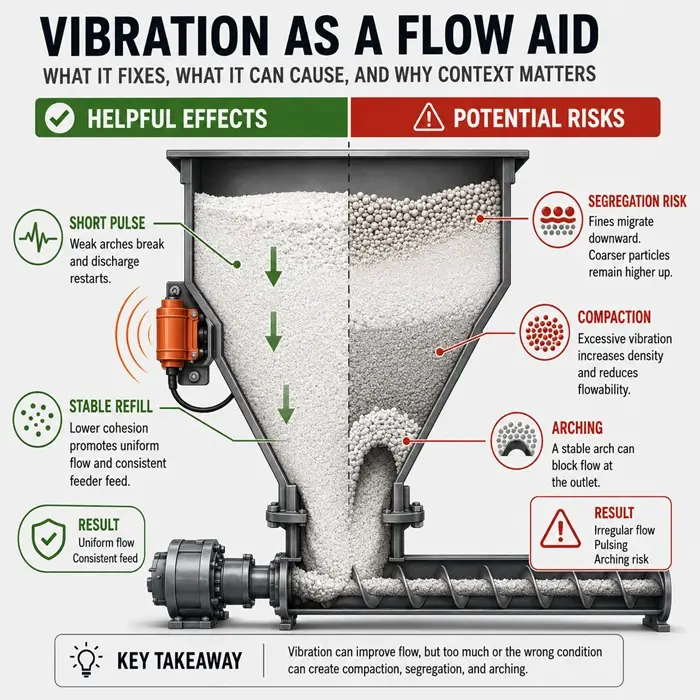
  • Technical diagram of vibration as a flow aid showing hopper discharge, compaction, segregation risk, and feeder stability.

    Vibration as a Flow Aid: When It Helps Powder Flow

    Vibration can improve powder discharge when it breaks a weak arch or releases a local obstruction. However, it can also compact the powder bed, increase segregation, change bulk density, and destabilize feeding. Use vibration as a flow aid only when it matches the failure mechanism. Vibration changes the [...]

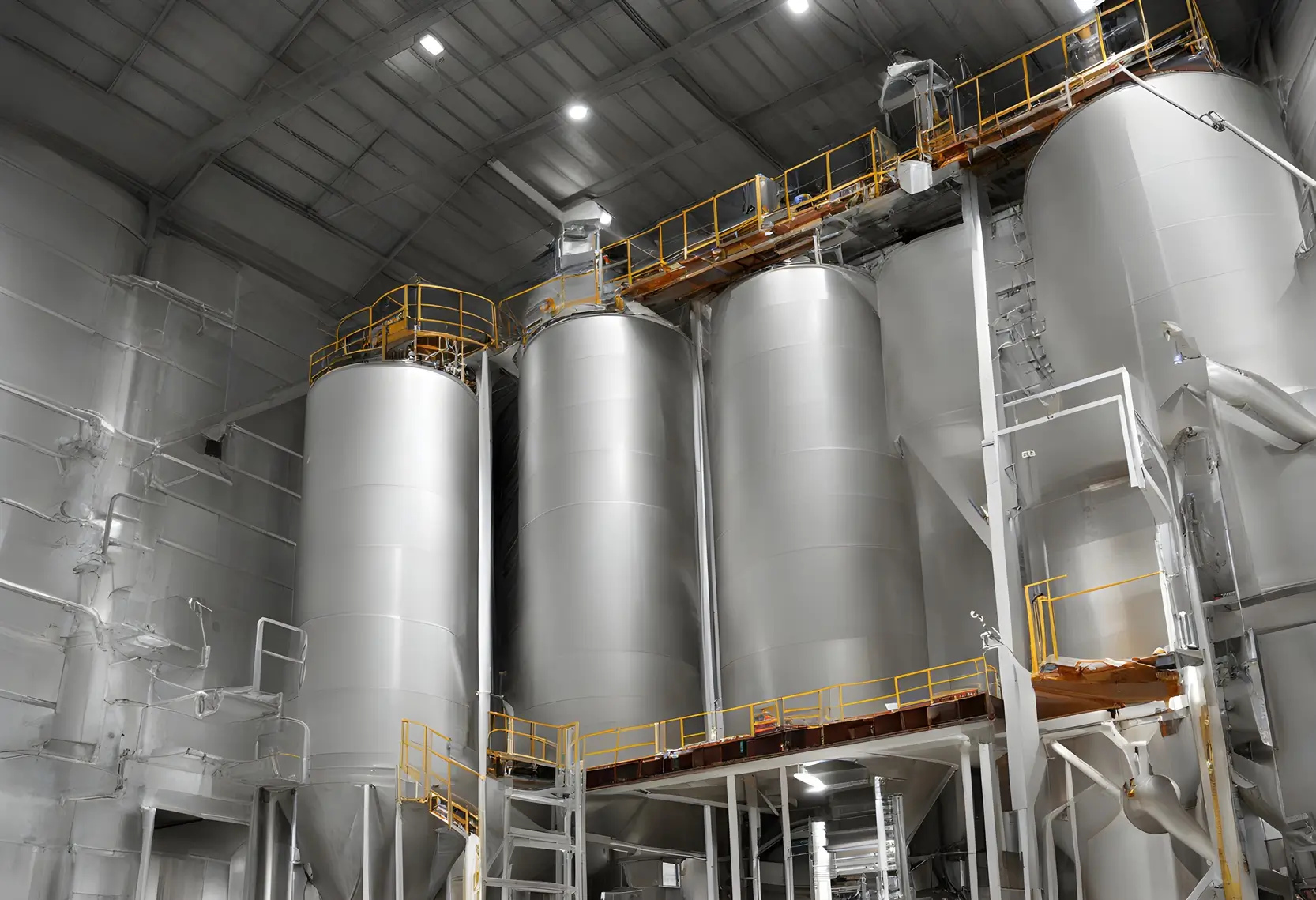
  • Industrial pneumatic conveying receiver with stainless steel pipework and hopper used for fine powder fluidization.

    Fine Powder Fluidization in Pneumatic Conveying and Discharge Control

    Fine powder fluidization can support controlled pneumatic conveying, especially in dense phase systems where lower velocity helps reduce wear and product damage. Problems appear when entrained air remains in the powder after transfer. At that point, the receiving hopper, feeder, outlet, or filling step may see flushing, segregation, delayed discharge, or weight variation. [...]

  • Powder operating window diagram showing a stable powder operating zone surrounded by six process boundaries: consolidation and wall friction, aeration and permeability, humidity and caking, wetting and agglomerates, segregation after transfer, and temperature and time history.

    Powder Operating Window: Why a Good Powder Fails in the Wrong Process

    A powder operating window defines the process conditions in which a material behaves reliably. When a powder meets specification but still fails during handling, storage, feeding, or processing, the crossed boundary often lies in consolidation stress, wall friction, aeration, humidity, wetting behavior, segregation, temperature, or time. Useful diagnosis starts by finding that [...]

  • Thermal gradient segregation in a pilot-scale suspension vessel exposed to uneven heating

    Thermal Gradient Segregation: Why Heat Moves Particles

    Thermal gradient segregation begins when one region of a system gets warmer than another and the composition slowly drifts out of balance. In most bulk vessels, natural convection is the first mechanism to check. Fluid near the hotter zone expands, becomes less dense, and rises. Cooler material sinks and closes the circulation [...]

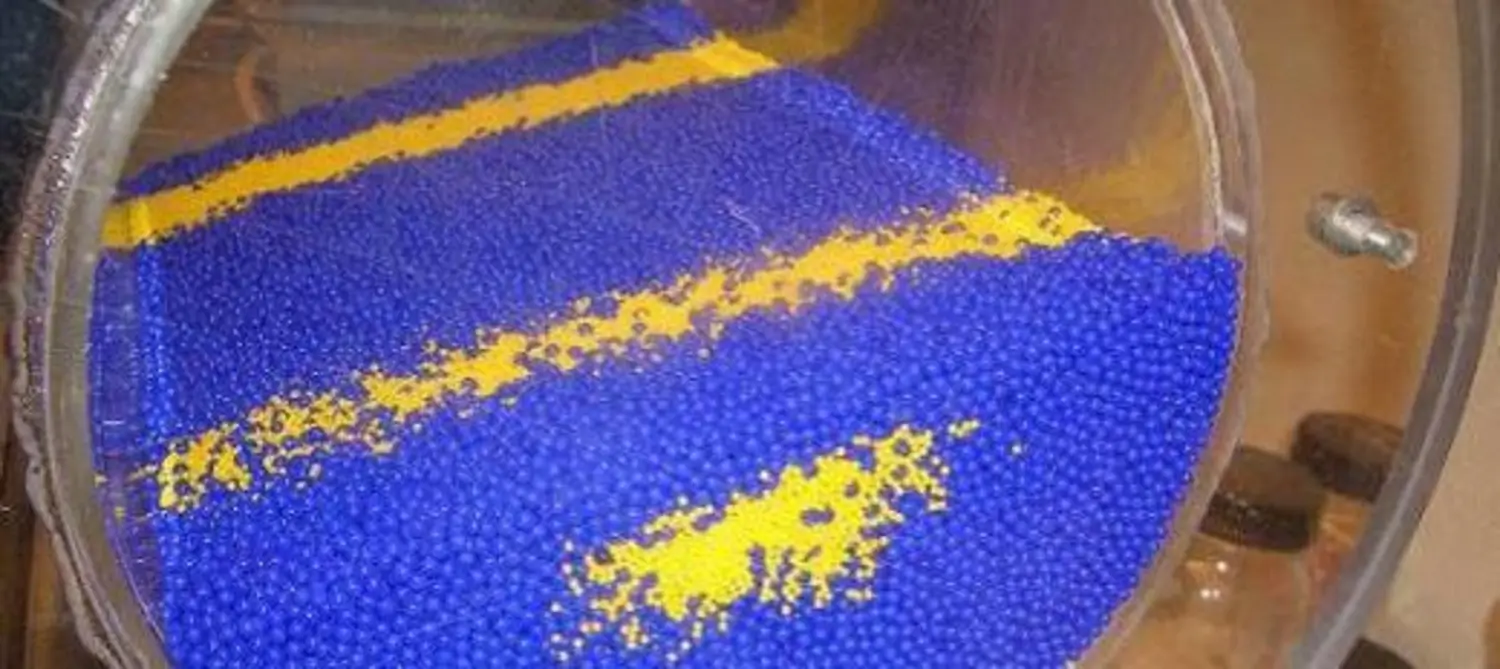
  • Powder segregation diagnosis during hopper filling showing coarse and fine fractions separating in an industrial powder transfer process

    Powder Segregation Diagnosis During Mixing, Conveying, and Filling

    Powder segregation diagnosis starts by locating where the blend loses uniformity. Some blends leave the mixer in spec and drift only during transfer, filling, or discharge. In practice, the main mechanisms are sifting, fluidization, trajectory segregation, and dusting. Each one is triggered by a different combination of particle properties, airflow, and equipment geometry. [...]

newsletter icon

News And Articles In Your Inbox

Sign up and receive PowderTechnology.info news, articles, and content from our partners in a quick and easy monthly newsletter.


You have been successfully subscribed.
There was an error trying to subscribe. Please try again later.

More Segregation Articles

Editor’s Picks