
SUBJECT
Technical Brief
Technical Briefs provide concise, practical explanations of focused powder and particle technology questions. Each brief addresses a specific mechanism, measurement issue, processing challenge, or interpretation problem, giving engineers, researchers, and QA/QC professionals a clear technical takeaway without the depth of a full feature article.
PUBLICATIONS
Browse publications
Explore PTI articles, Insights, Know How, and technical publications related to this subject.
 23 November 2026
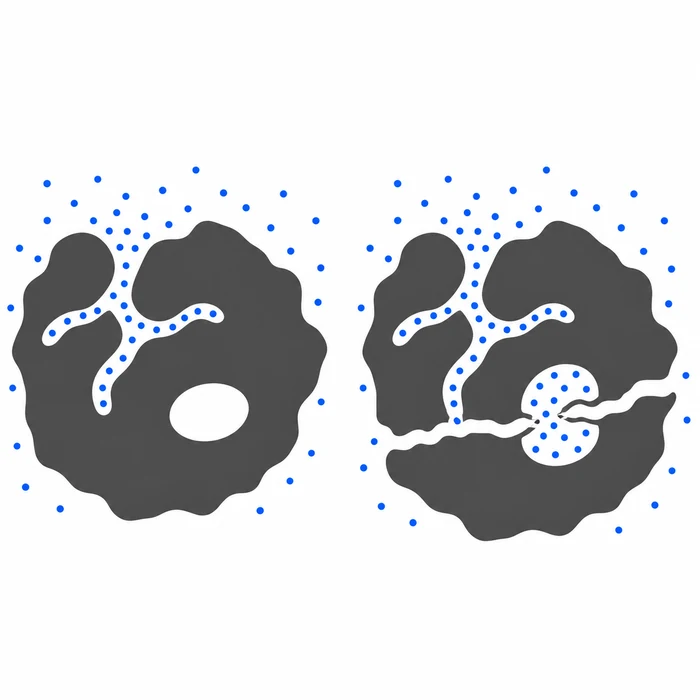
Why Can Helium Pycnometry Density Increase After Crushing?
Crushing can expose pores that helium previously could not reach, reducing measured skeletal volume. Establish measurement significance and comparable conditioning before interpreting the increase.
 20 November 2026
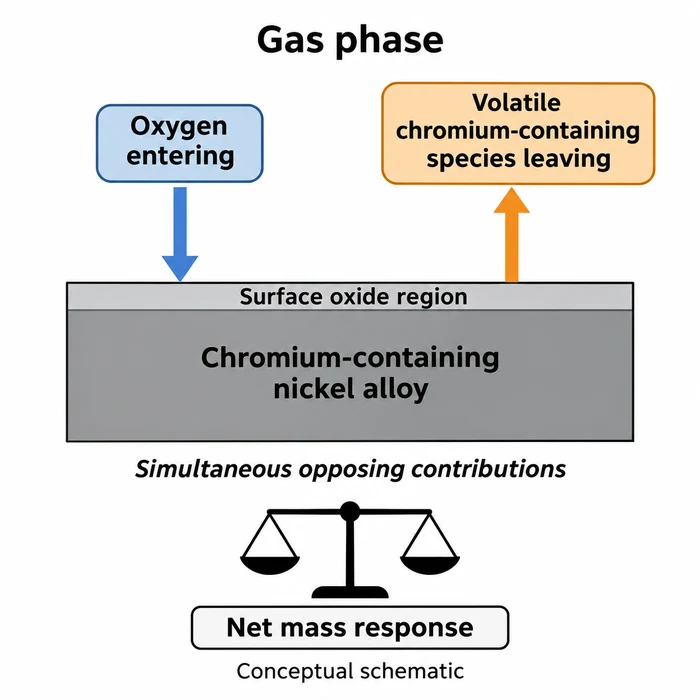
Investigating TGA Mass Cancellation: Why Inert-Run Subtraction Is Not Enough
A small TGA response can conceal competing mass contributions. Learn what atmosphere comparisons establish and what evidence is needed before assigning oxygen uptake.
 19 November 2026
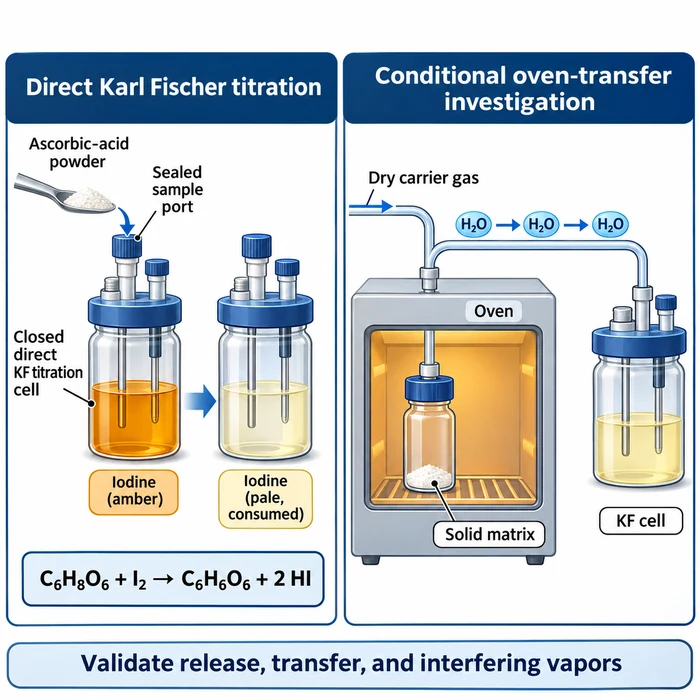
When Ascorbic Acid Consumes Karl Fischer Iodine
Ascorbic acid can consume Karl Fischer iodine without producing water. Learn how to investigate the resulting apparent moisture signal and assess a conditional oven-transfer comparison.
 18 November 2026
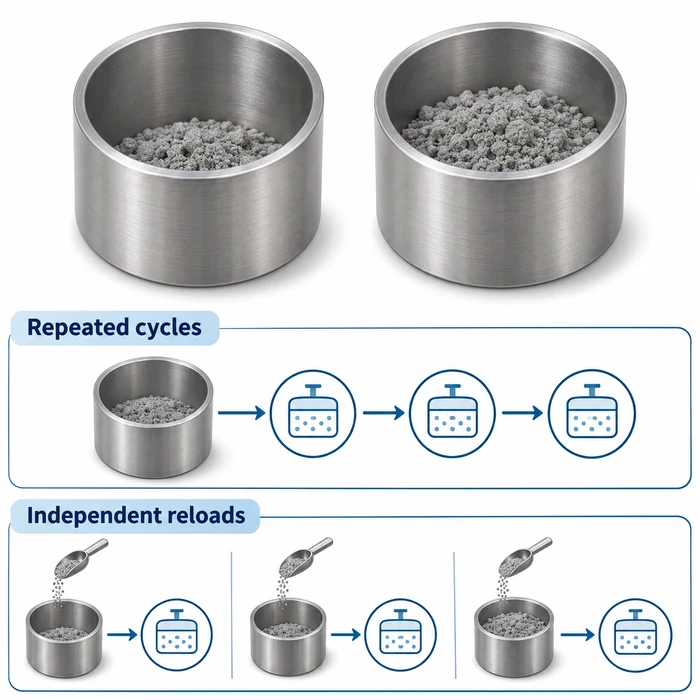
Small Gas-Pycnometer Test Portions: What a Loading Comparison Can Establish
Closely agreeing gas-pycnometer cycles can mask variation between small powder portions. Compare sample loadings, reload precision, and mean density before using results for lot decisions.
 17 November 2026
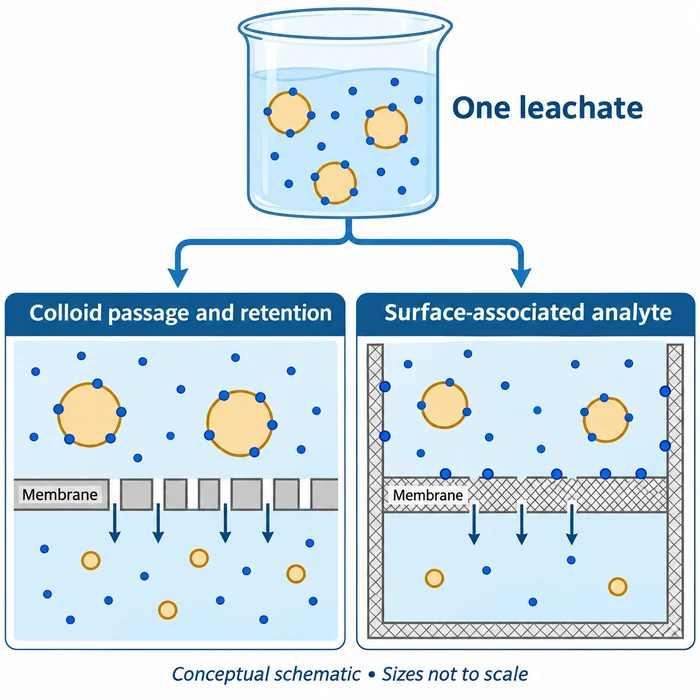
Same Powder Leachate, Different Metal Results: What Filtration Can Change
Two portions split from one eluate can show different metal results because splitting, handling, and filtration change the analyzed fraction. Check acceptance criteria, records, mechanisms, and diagnostics before drawing conclusions.
 16 November 2026
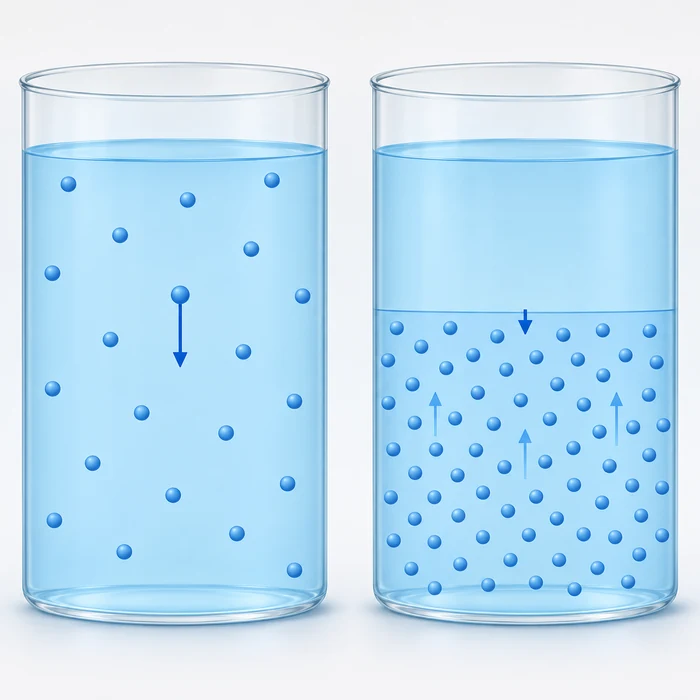
How Hindered Settling Becomes an Apparent Stokes-Diameter Error
A slower suspension interface can produce a smaller apparent Stokes diameter. A conditional worked example quantifies the effect and identifies the evidence needed before correcting a particle-size result.
 13 November 2026
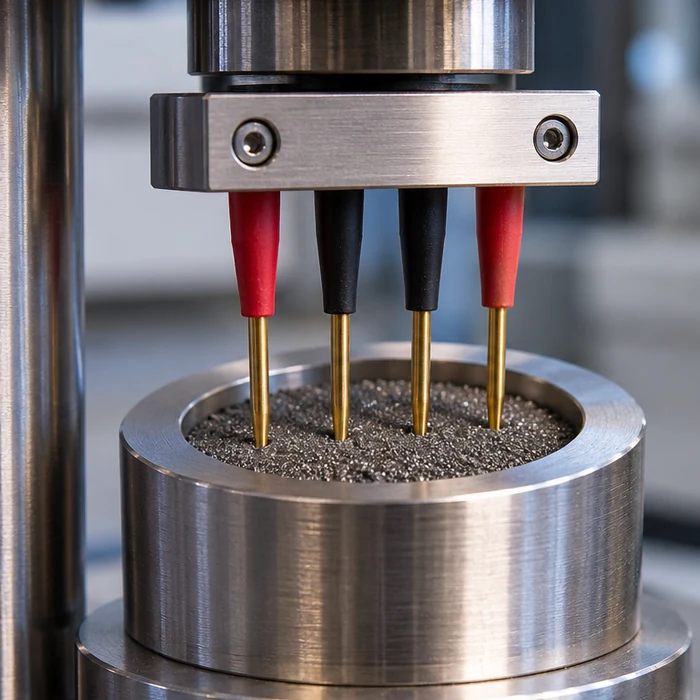
Can Compaction Pressure Make a Powder Appear More Conductive?
Compaction pressure can change powder-bed resistivity without changing the particle material. Learn how to compare measurements and set a defensible QC limit.
 12 November 2026
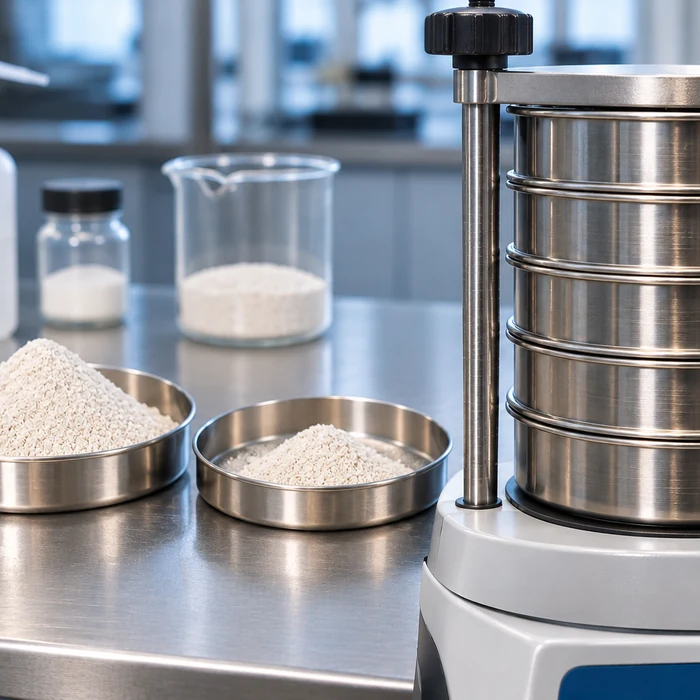
Can Sieve Overloading Make a Powder Appear Coarser?
Excessive sieve loading may increase the apparent coarse fraction. Learn how to check sieving completion and test a reduced load with replicates.
 11 November 2026
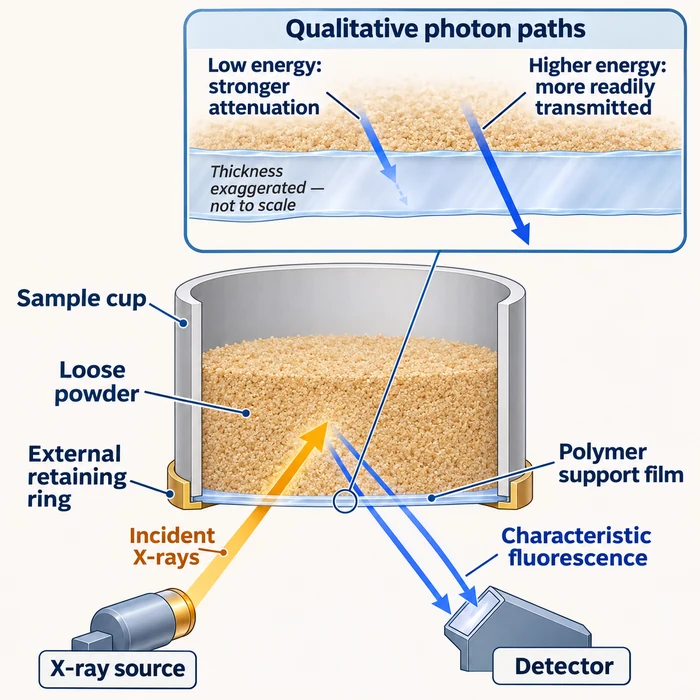
Can an XRF Sample-Cup Film Change a Powder’s Reported Composition?
A sample-cup film change can alter detected XRF fluorescence. Check film attenuation, calibration compatibility, blanks, and sample presentation before treating the reported shift as a powder composition change.
 10 November 2026
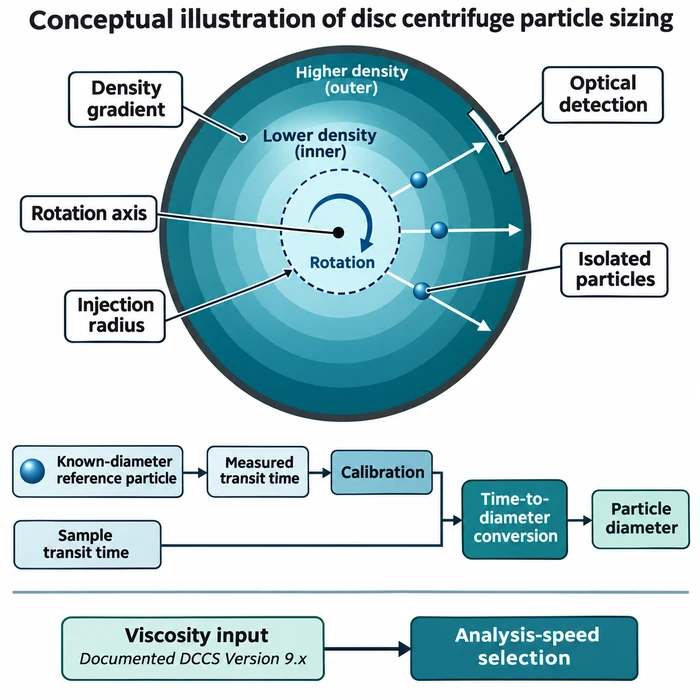
Does an Incorrect Viscosity Input Bias Centrifugal-Sedimentation Diameter?
A viscosity entry does not necessarily control centrifugal-sedimentation diameter. Check the calibration route, software version, and reported output before correcting a result.
 9 November 2026
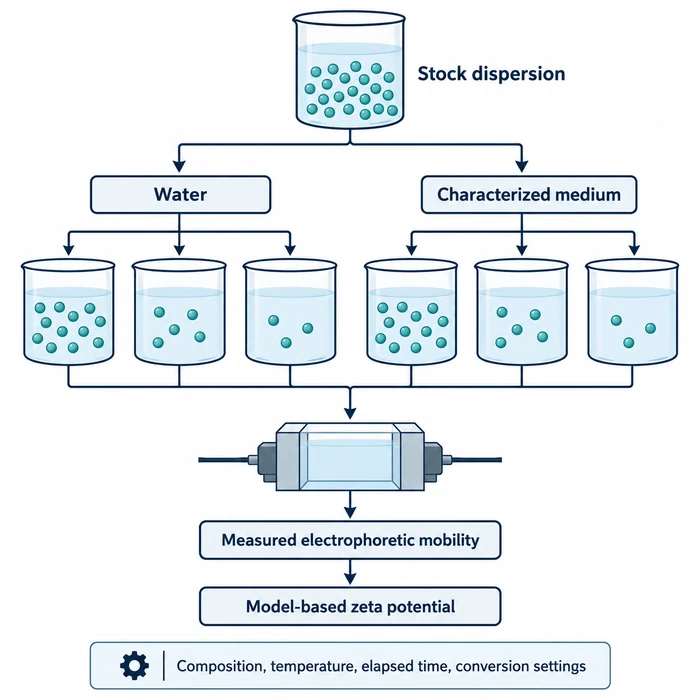
Water or Matched Medium: Investigating Dilution-Induced Zeta-Potential Changes
Dilution changes both particle concentration and potentially liquid chemistry. A paired comparison helps investigate which changes matter without assigning a unique mechanism.
 6 November 2026
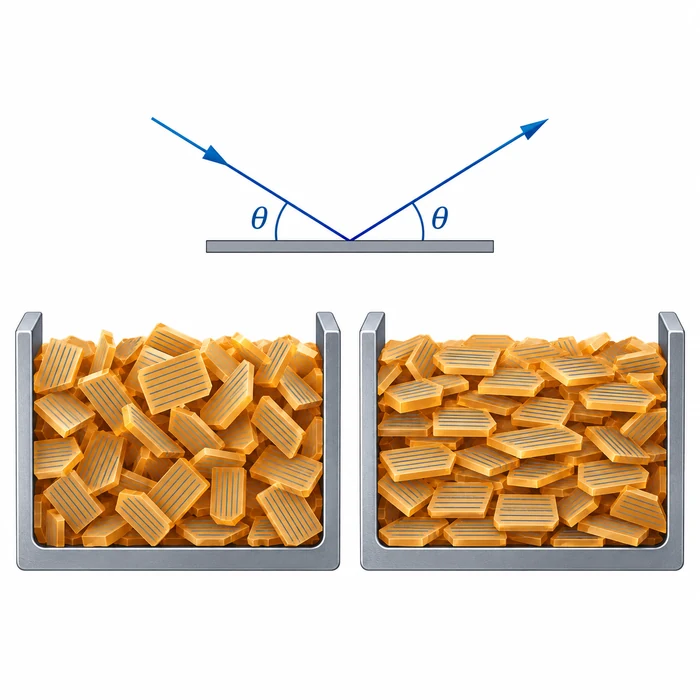
Why Can XRD Peak Ratios Change When the Same Powder Is Repacked?
Changed XRD peak ratios after repacking can reflect crystallite alignment or poor particle statistics. Compare independent mounts before interpreting phase conversion.