
Aerospace Manufacturing

Powder, coating, composite
and resin behavior across aerospace manufacturing

Alloy powders, ceramics, coating feedstocks, reinforcements, polymers and resin systems are not one category

Oxygen, moisture, particle size, morphology, satellites, density, purity, electrostatics, rheology and thermal history decide whether a feedstock spreads, feeds, deposits, wets out, bonds, cures and qualifies. Reuse history compounds all of it. This page connects what you are seeing on the line to the mechanism behind it and the measurement that settles it.

Icon representing aerospace material routes

By material type

Aluminum, titanium, nickel superalloys, refractory alloys, ceramics, thermal-spray feedstocks, reinforcements, polymers, adhesives, microspheres, sealants, reclaimed streams.

Icon representing recurring aerospace material behavior routes

By observed behavior

Flow, caking, dust, dosing variation, segregation, contamination, oxidation, moisture sensitivity, bonding instability, cure variation, electrostatics, packing, and adhesion.

Icon representing aerospace material measurement routes

By measurement route

The test that clearly separates one likely mechanism from another under realistic material, process, environmental, thermal, and operating conditions in aerospace production.

Icon representing process area routes

By process area

Production, classification, storage, powder handling, additive manufacturing, thermal spraying, composites, bonding, thermal processing, finishing, recovery, and recycling.

Find your route

Start with the material, then the behavior

Aerospace materials do not behave as one category. Pick the alloy powder, ceramic, coating feedstock, reinforcement, polymer, adhesive, microsphere, sealant or reclaimed material class, then the behavior you are seeing in the process. The result names the mechanisms worth separating, the measurement to start with, and where in the process it usually shows up. It is a triage route, not a diagnosis.

  1. 1Material
  2. 2Behavior
  3. 3Route

Step 1  What are you handling?

Step 2  What are you seeing?

Step 3  Your route

Material routes

Alloy powders, ceramics, coatings, composites and resin systems

Aerospace manufacturing handles reactive metal powders, dense superalloys, high-temperature ceramics, classified coating feedstocks, fibrous reinforcements, high-performance polymers, filled resins, lightweight microspheres, sealants and reclaimed process streams with very different sensitivities to oxygen, moisture, particle size, morphology, density, electrostatics, thermal history, shear, contamination and reuse. Each class has its own behavior profile, so the most useful route starts with the material before moving to the visible defect or process instability.
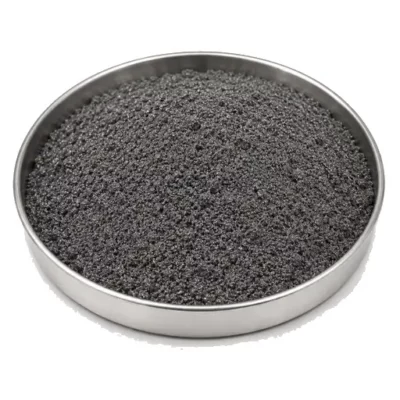
Representative aluminum alloy powder and fines in a shallow stainless steel sample dish

Aluminum alloy powders and fines

Aluminum powders and machining fines require controlled oxidation, particle size, and contamination. Morphology, fines, storage, and reuse influence spreading, feeding, and part quality.
OxidationFlowReuse
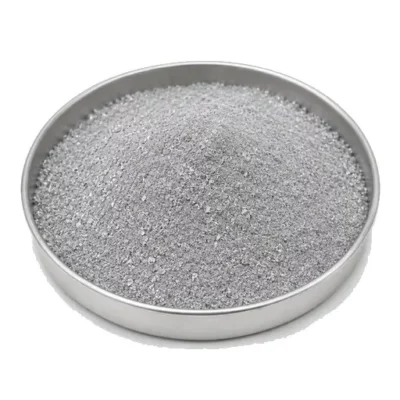
Representative spherical titanium alloy powder in a shallow stainless steel sample dish

Titanium and titanium alloy powders

Titanium powders are sensitive to oxygen pickup and handling history. Particle shape, satellites, fines, moisture, and reuse affect flow, layer formation, and mechanical performance.
OxygenMorphologyReuse
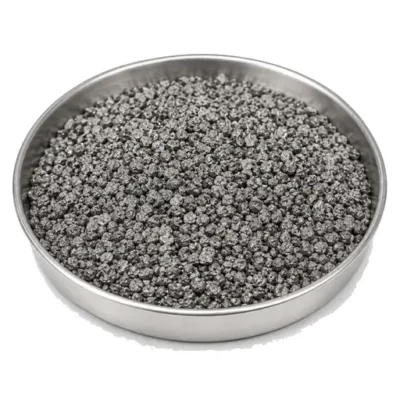
Representative nickel-based superalloy powder in a shallow stainless steel sample dish

Nickel-based superalloy powders

Nickel superalloy powders require stable chemistry and morphology. Size distribution, satellites, oxidation, contamination, and reuse influence feeding, melting, and high-temperature properties.
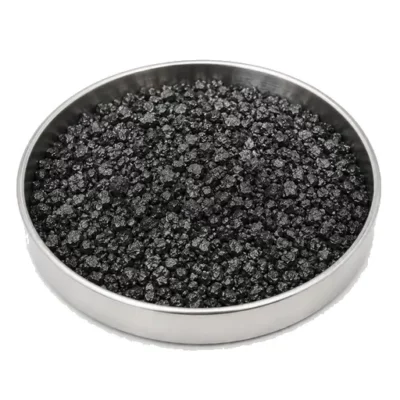
ChemistryFlowPerformance
Representative cobalt and refractory alloy powder in a shallow stainless steel sample dish

Cobalt and refractory alloy powders

Cobalt, tungsten, and refractory alloy powders combine high density with demanding purity controls. Segregation, oxidation, morphology, and feeding affect deposition and performance.
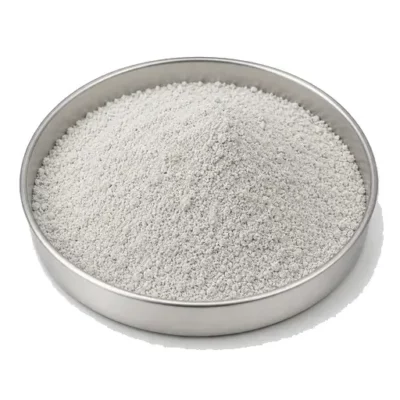
DensityPurityDeposition
Representative high-temperature ceramic powder in a shallow stainless steel sample dish

High-temperature ceramic powders

Ceramic powders for thermal, insulating, and wear-resistant parts require controlled agglomeration and purity. Moisture, particle size, chemistry, and sintering affect final density.
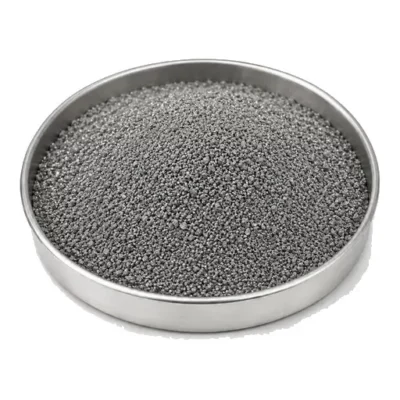
PuritySinteringStability
Representative thermal-spray coating powder in a shallow stainless steel sample dish

Thermal-spray coating powders

Thermal-spray powders require controlled feedstock size and morphology. Oversize particles, fines, hollow particles, oxidation, and feeder variation affect deposition and coating structure.
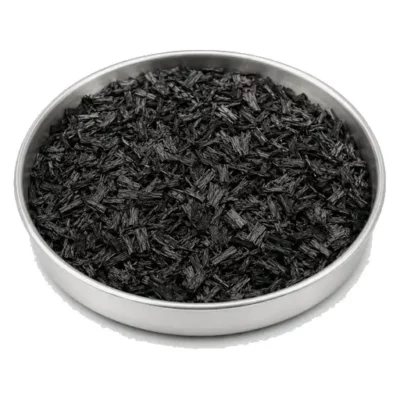
FeedingDepositionCoatings
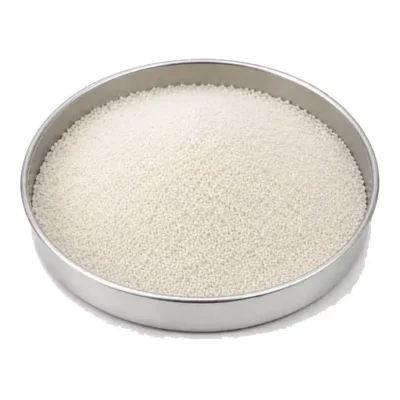
Representative chopped carbon fiber reinforcement in a shallow stainless steel sample dish

Composite reinforcement materials

Chopped carbon fibers and particulate reinforcements require controlled length and distribution. Breakage, electrostatics, segregation, orientation, and wetting affect strength.
LengthDispersionStrength
Representative high-performance aerospace polymer powder in a shallow stainless steel sample dish

High-performance polymer powders

PEEK, PEKK, and related polymer powders require controlled moisture and thermal history. Particle size, flow, aging, and incomplete fusion affect stability and component properties.

MoistureFusionStability
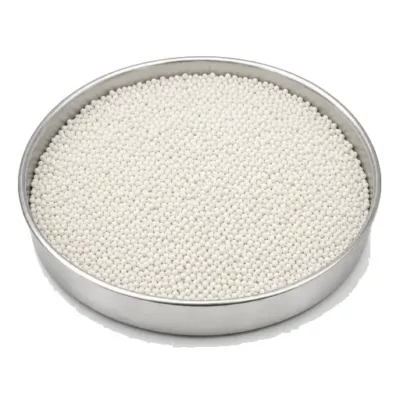
Representative amber structural adhesive resin in a shallow stainless steel sample dish

Structural adhesives and resin systems

Structural adhesives and resin systems require controlled viscosity, wetting, and cure response. Filler settling, moisture, air entrainment, aging, and temperature affect reliability.
WettingCureBonding
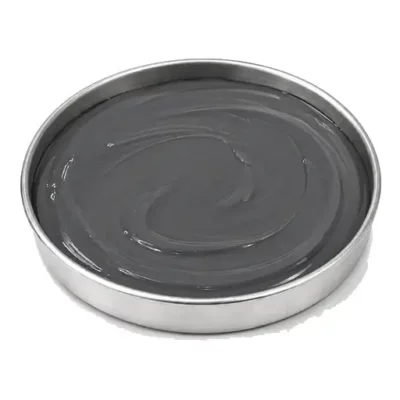
Representative lightweight hollow microspheres in a shallow stainless steel sample dish

Lightweight fillers and microspheres

Hollow microspheres and lightweight fillers reduce density but can break or segregate. Particle strength, size distribution, mixing intensity, and wetting influence performance.
DensityBreakageDispersion
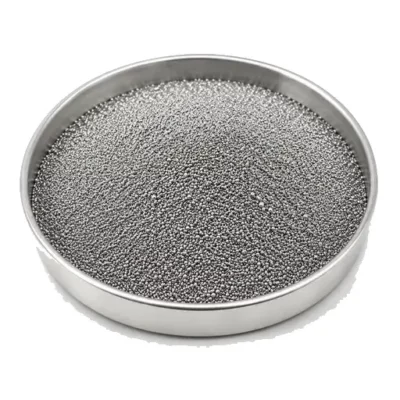
Representative aerospace sealant and potting compound in a shallow stainless steel sample dish

Sealants and potting compounds

Sealants and potting compounds require stable rheology and filler distribution. Settling, moisture, air entrapment, cure variation, and dispensing history affect long-term reliability.
RheologyCureReliability
Representative reclaimed aerospace manufacturing particles and fines in a shallow stainless steel sample dish

Reclaimed manufacturing streams

Reclaimed powders, machining fines, and coating residues have mixed composition and history. Contamination, oxidation, size, liberation, and reuse limits determine recovery consistency.

RecoveryScreeningReuse

Quick comparison

Material route, common risk, first measurement

The same symptom points to different mechanisms depending on the material class, particle morphology, atmosphere, surface condition, formulation, handling history and process step. This is the fast bridge between aerospace material behavior and the most useful first measurement route.

Aerospace material routes, the handling or processing risk each one carries most often, and the measurement worth running first.

Material routeCommon handling or processing riskUseful first measurement
Aluminum alloy powders and finesOxidation, fines accumulation, contamination, poor spreading, and inconsistent consolidationParticle size, morphology, oxygen, flowability, and contamination
Titanium and titanium alloy powdersOxygen pickup, satellites, unstable flow, poor layers, and reuse-related variationOxygen, particle size, morphology, flowability, and reuse history
Nickel-based superalloy powdersChemistry drift, satellites, oxidation, poor feeding, and melt pool instabilityComposition, particle size, morphology, oxygen, and flowability
Cobalt and refractory alloy powdersSegregation, oxidation, density-driven feeding variation, and inconsistent depositionComposition, density, particle size, morphology, and oxygen
High-temperature ceramic powdersAgglomeration, moisture uptake, contamination, poor shaping, and density variationParticle size, moisture, surface chemistry, purity, and sintering response
Thermal-spray coating powdersFines, oversize particles, hollow particles, feeder variation, and coating defectsParticle size, morphology, density, flowability, and feed response
Composite reinforcement materialsFiber breakage, electrostatics, segregation, poor orientation, and weak wettingFiber length, morphology, dispersion, electrostatics, and wetting
High-performance polymer powdersMoisture, thermal aging, poor flow, incomplete fusion, and property variationMoisture, particle size, flowability, thermal behavior, and melt response
Structural adhesives and resin systemsViscosity drift, poor wetting, filler settling, air entrainment, and cure variationRheology, wetting, filler distribution, moisture, and cure response
Lightweight fillers and microspheresBreakage, segregation, dusting, poor dispersion, and density variationParticle size, particle strength, density, morphology, and dispersion
Sealants and potting compoundsSettling, air entrainment, unstable dispensing, incomplete cure, and sealing defectsRheology, filler distribution, air content, moisture, and cure response
Reclaimed manufacturing streamsMixed composition, contamination, oxidation, poor liberation, and variable reuse qualityComposition, particle size, liberation, oxygen, and contamination screening

One risk per row is the one most often reported, not the only one that occurs. Use the selector above to work a specific combination through to a route.

Recurring problems

Start from the behavior you can see

These eight come from your own route card and continue block: flow, caking, dust, dosing variation, segregation, contamination, oxidation and bonding or cure instability. Oxidation leads its own card here rather than sitting second behind moisture, because on this hub it is the behavior the copy leans on hardest. Each card runs back to the mechanisms worth separating and forward to the measurement that confirms which one is governing.


Icon representing poor flow and discharge

Poor flow or discharge

Arching · Bridging · Discharge

Icon representing caking and consolidation

Caking or consolidation

Moisture · Load · Storage

Icon representing dust and fines release

Dust and fines release

Fines · Handling · Containment

Icon representing dosing variation

Dosing variation

Density · Refill · Feeding

Icon representing segregation

Segregation

Size · Density · Motion

Icon representing contamination

Contamination

Purity · Wear · Reuse

Icon representing oxidation and moisture pickup

Oxidation or moisture pickup

Oxygen · Humidity · Surface

Icon representing bonding and cure instability

Bonding and cure instability

Wetting · Cure · Bonding

Measurement routes

The test that answers your question

Aerospace material behavior rarely resolves to one number. Particle size, morphology, oxygen, moisture, alloy chemistry, surface condition, cohesion, density, electrostatics, fiber dimensions, rheology, wetting, thermal response, contamination and reuse history can all sit behind the same visible process symptom or component defect. Pick the method by the question, not by the symptom.

Particle size and morphology

Particle size distribution
Fines, oversize, satellites, agglomerates, classification, spreading, and defect risk.

Microscopy and morphology
Sphericity, angularity, satellites, hollow particles, fiber length, surface texture, and breakage.

Moisture, oxygen, and surface chemistry

Moisture content and sorption behavior
Free moisture, hygroscopicity, storage history, conditioning, polymer aging, and drying response.

Oxygen and surface chemistry
Surface oxides, oxygen pickup, residues, surface treatments, wetting, and adhesion.

Composition, contamination, and wear

Composition and alloy chemistry
Alloy chemistry, trace elements, chemistry drift across reuse, and incoming material verification.

Attrition and wear debris generation
Fiber and microsphere breakage, fines, and debris from sieves, mills, and lines.

Flow, packing, and spreading

Flowability and shear testing
Cohesion, consolidation, hopper discharge, recoater spreading, and feeder response behavior.

Bulk and tapped density
Apparent density, aeration, deaeration, layer packing, refill consistency, and dose volume.

Charge, dust, and containment

Electrostatic charge testing
Charge generation, adhesion to plates and recoaters, fiber clumping, and handling behavior.

Dustiness testing
Airborne fines, transfer losses, reactive fine fractions, containment, and exposure control.

Rheology, wetting, and thermal response

Rheology, wetting, and dispersion
Viscosity, yield stress, filler distribution, wetting, air entrainment, and dispensing stability.

Thermal and cure analysis
Melting, crystallization, cure, decomposition, outgassing, sintering, and process limits.

Compare every method All test methods on the site, grouped by the question they answer.

Process routes

Where the behavior actually shows up

The same aerospace material behaves differently depending on where it sits in the process. Powder production, storage and atmosphere control, additive manufacturing, thermal spraying, composite processing, bonding, curing, thermal processing, finishing and recovery each expose a different property, a different contamination pathway and a different failure mode.

01

Powder production and classification

Atomization, crushing, milling, sieving and classification determine particle size, shape, satellites, fines, density and consistent downstream feed behavior.

02

Storage and atmosphere control

Packaging, inerting, humidity, temperature, exposure time and transfer history influence oxidation, moisture uptake, electrostatics, aging and contamination.

03

Additive manufacturing and forming

Powder spreading, recoating, dosing, fusion, forming and reuse depend on flowability, morphology, size distribution, density, oxygen and thermal history.

04

Thermal spraying and coatings

Feedstock size, morphology, density, feeding, carrier flow, substrate and atmosphere influence deposition efficiency, structure, adhesion and defects.

05

Composite mixing and impregnation

Fiber length, filler distribution, wetting, resin viscosity, shear, air removal and orientation influence impregnation, uniformity, voids and mechanical performance.

06

Adhesive bonding and sealing

Surface preparation, mixing, viscosity, wetting, dispensing, bond line control, temperature and cure determine adhesion, voids, sealing and durability.

07

Polymer and ceramic processing

Drying, spreading, heating, fusion, binder removal, forming and sintering influence flow, shrinkage, porosity, dimensional stability and final part properties.

08

Finishing and surface preparation

Machining, blasting, polishing, cleaning and surface activation generate fines and residues that influence contamination, bonding, coating, inspection and recovery.

09

Recovery, reuse, and separation

Collection, sieving, blending, liberation, sorting, contamination control, oxidation and acceptance limits determine reclaimed material consistency, yield and reuse value.

Go deeper

Guides and articles for aerospace materials

Longer reads that work through the mechanisms behind these routes, from the visible process problem to material properties, measurement choice and qualification.
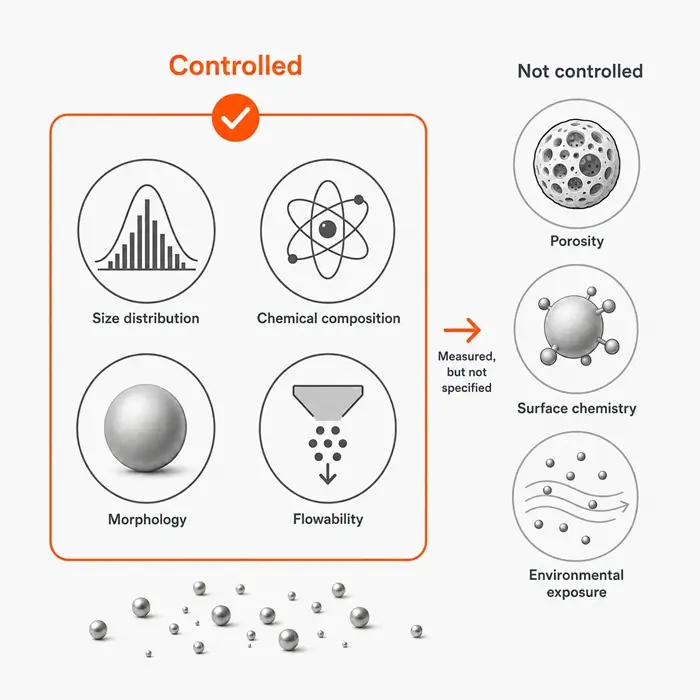
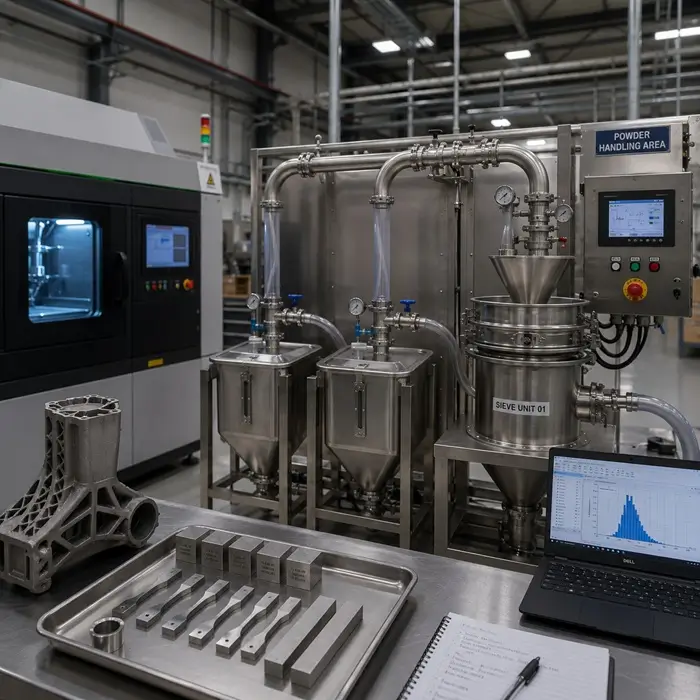
Metal powder feedstock characterization for aerospace additive manufacturing qualification

SAE AIR7359 and powder feedstock properties

Why certain powder characteristics stay outside AMS-AM specifications, and how to control them in a qualification program anyway.

Virgin and reused metal powder blended for aerospace laser powder bed fusion qualification

Virgin to reused powder blend ratios

Why the blend ratio alone does not describe the powder population, and which size, satellite and chemistry shifts acceptance has to account for.

Laser spheroidization producing uniform spherical titanium powder particles

Laser spheroidization of titanium powders

How irregular titanium particles become uniform spheres, and what that does to flow, packing and layer formation compared with gas atomization.

Define the material operating window

An aerospace material can meet specification and still fail when oxygen, moisture, temperature, flow, dose, shear, exposure time, reuse history or cure conditions move outside the range where it behaves reliably.

Choose the test that matches the failure mode

Characterization tests answer different questions. Match the method to the material state, process step, atmosphere, thermal history and qualification requirement rather than treating processability as universal.

Watch fines, satellites, and agglomerates

A small change in fines, satellites, agglomerates or fiber fragments can alter flow, dust, oxidation, packing, spreading, feeding, coating and dispersion even when the median particle size barely moves.

Treat reuse history as a material property

Atmosphere, storage and repeated reuse can alter oxidation, surface chemistry, flow, thermal response, dispersion, cure behavior and contamination long before any obvious change appears in the material itself.

FAQ

Aerospace material questions

The most important distinction is usually not the visible symptom itself but the mechanism behind it. Similar symptoms can result from cohesion, particle morphology, oxidation, moisture, segregation, electrostatics, filler settling, rheology, contamination, equipment wear, cure variation, or interaction between the material and the process equipment.
Material behavior depends on the conditions acting on it. Storage history, atmosphere, consolidation, reuse, temperature, shear, coating conditions, surface preparation, exposure time and cure history can shift how the same material feeds, spreads, deposits, bonds, cures, or performs.
The useful method depends on the question. Particle size and morphology analysis may help with feeding, spreading, classification, or coating, while oxygen, moisture, alloy chemistry, surface condition, rheology, wetting, thermal analysis, cure response, or contamination screening may be more relevant for other symptoms. A useful test program starts with the suspected mechanism rather than a standard list of measurements.
Start with the information you already have. Use the material route when the material class is known, the behavior route when a visible defect or process symptom is driving the investigation, and the measurement route when you already know which property or test family needs evaluation.
Laboratory testing is useful when the symptom does not reveal the controlling mechanism, when several causes are plausible, or when a new powder, coating feedstock, composite formulation, adhesive, reuse strategy, or process condition needs evaluation before implementation. Test conditions should reproduce the relevant atmosphere, stress, temperature, shear, coating and cure environment as closely as practical.
Yes. Unstable feeding, poor spreading, coating defects, fiber segregation, adhesive failure, voids, cure variation, or inconsistent reused material can result from several interacting factors. Complementary measurements can help separate effects such as particle size, morphology, oxygen, moisture, cohesion, density, rheology, contamination and material history.

Need the measurement, not just the guidance? PowderTechnology.info works closely with Delft Solids Solutions,
a contract research organization specializing in the physical behavior of powders and granules. DSS provides
contract testing and characterization, with its laboratory working in accordance with ISO 17025.
Contact Delft Solids Solutions.

Delft Solids Solutions logo