

Metals and metal powders
Particle, surface, flow, and processing
behavior across metal powder production
Iron, aluminum, titanium, superalloys, hardmetals and reclaimed fines are not one category
Particle size, shape, oxygen content, moisture, cohesion, apparent density, surface condition, satellite particles, electrostatic charging and segregation decide whether a metal powder flows, doses evenly, spreads into an even layer, compacts, and sinters to the density you designed for. This page connects what you are seeing on the line to the mechanism behind it and the measurement that settles it.



Find your route
Start with the material, then the behavior
Metal powders do not behave as one category. Pick the elemental metal, alloy, hardmetal, functional powder or reclaimed material class, then the behavior you are seeing in the process. The result names the mechanisms worth separating, the measurement to start with, and where in the process it usually shows up. It is a triage route, not a diagnosis.
- 1Material
- 2Behavior
- 3Route
Step 1 What are you handling?
Step 2 What are you seeing?
Step 3 Your route
Material routes
Elemental metals, alloys, hardmetals and recovered streams
Metal powder production handles fine powders, spherical atomized particles, irregular sponge powders, flakes, agglomerates, hardmetal blends, coated particles and recovered streams with very different particle sizes, densities, shapes, oxygen sensitivities and surface conditions. The same site may handle iron and steel grades, aluminum, copper, titanium, superalloys, refractory metals, hardmetal feedstocks, magnetic powders, joining powders and reclaimed fines. Each class has its own behavior profile, so the most useful route starts with the material before moving to the visible symptom or process instability.
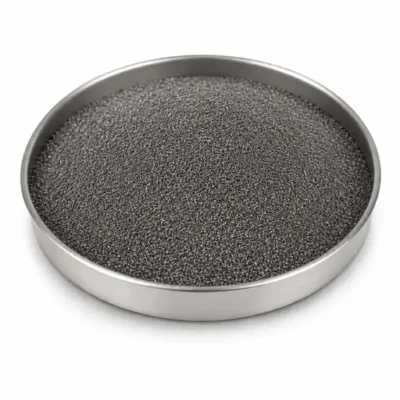
Iron and low-alloy steel powders
Iron and low-alloy steel powders vary in morphology, apparent density, compressibility, and oxidation state. These properties influence flow, die filling, compaction, sintering, and final strength.
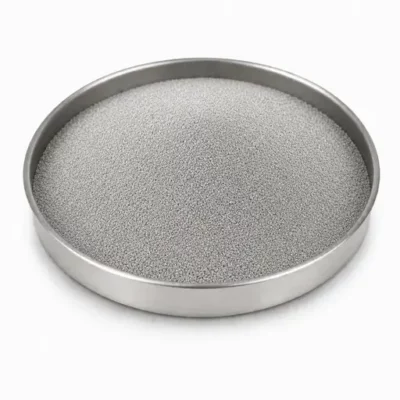
Stainless steel powder grades
Stainless steel powders require size, shape, oxygen content, and surface condition. Satellites, fines, and moisture affect flow, packing, additive manufacturing, and corrosion performance.
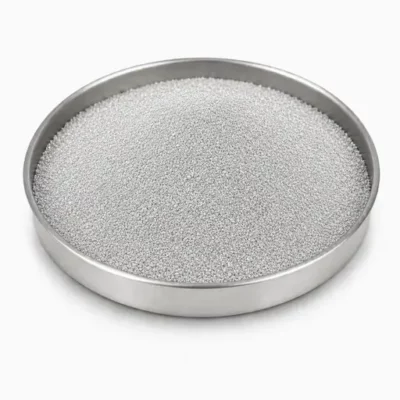
Aluminum and magnesium powders
Aluminum and magnesium alloy powders are low-density, reactive, and highly dust-sensitive. Particle size, oxide layers, shape, and handling conditions influence flow, safety, packing, and consolidation.
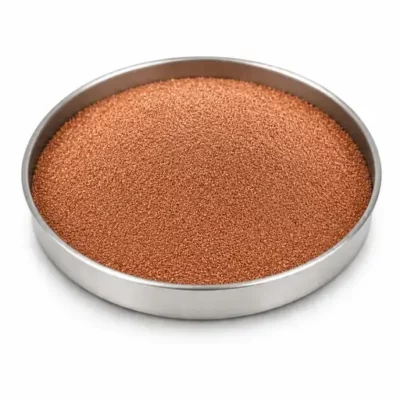
Copper and copper alloy powders
Copper and copper alloy powders vary in shape, conductivity, oxidation state, and apparent density. These differences affect flow, compaction, sintering, brazing, and electrical performance.
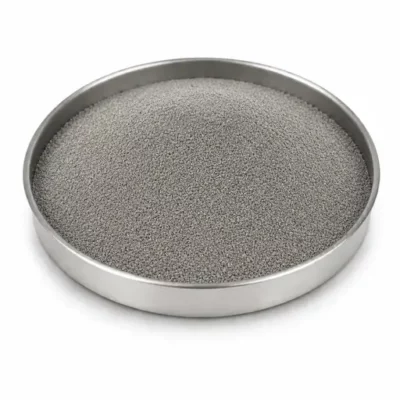
Titanium and titanium alloy powders
Titanium and titanium alloy powders are reactive, valuable, and highly surface-sensitive. Oxygen pickup, satellites, moisture, and reuse history directly influence flow, fusion, porosity, and fatigue performance.
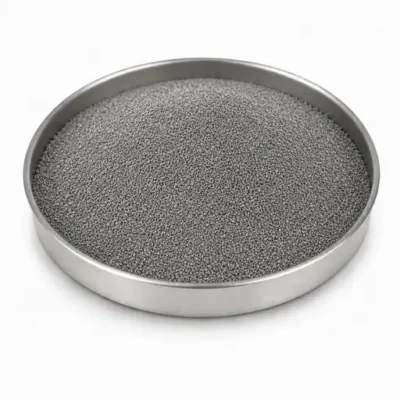
Nickel and cobalt superalloy powders
Nickel and cobalt superalloy powders require controlled morphology, chemistry, and cleanliness. Fines, satellites, segregation, and contamination affect layer quality, fusion, and high-temperature performance.
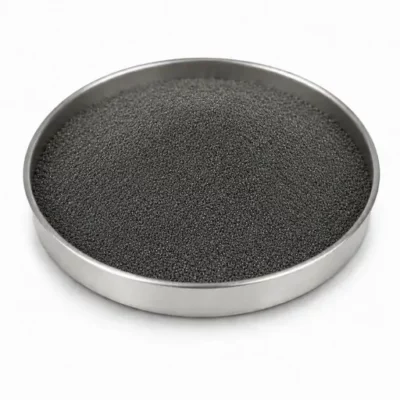
Tool steel and maraging steel powders
Tool steel and maraging steel powders combine dense alloy particles with demanding thermal responses. Size distribution, oxygen, segregation, and reuse influence flow, density, cracking, and heat treatment.
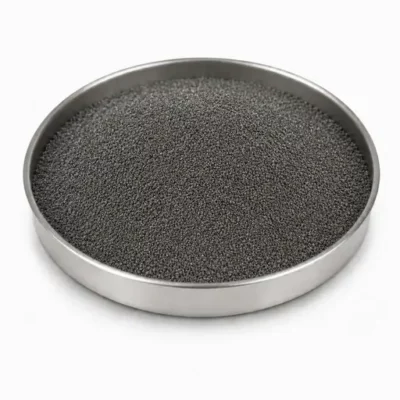
Refractory metal powder grades
Tungsten, molybdenum, tantalum, and related refractory powders are dense and often highly cohesive. Fine size, oxygen, agglomeration, and packing behavior directly influence consistent feeding, pressing, and sintering.
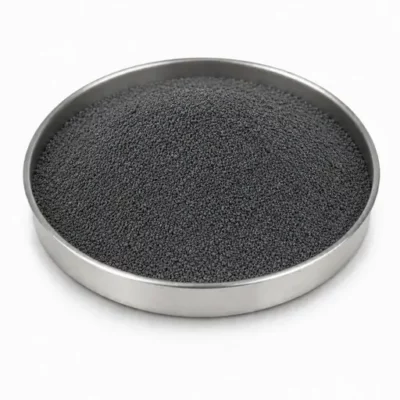
Tungsten carbide and hardmetal feedstocks
Tungsten carbide and hardmetal feedstocks combine hard particles, metallic binder, and processing aids. Density contrast, attrition, moisture, and mixing history influence uniformity and compaction.
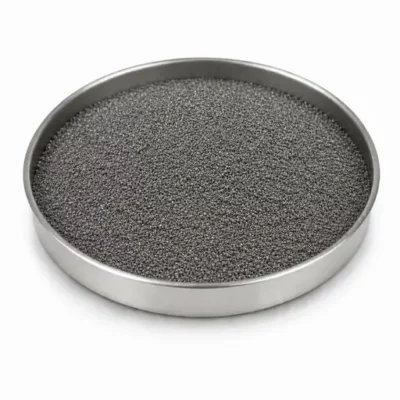
Magnetic and electrical metal powders
Soft-magnetic and electrical metal powders depend on composition, insulation coating, shape, and packing. Damage, segregation, and oxidation directly affect powder flow, pressing, losses, and magnetic response.
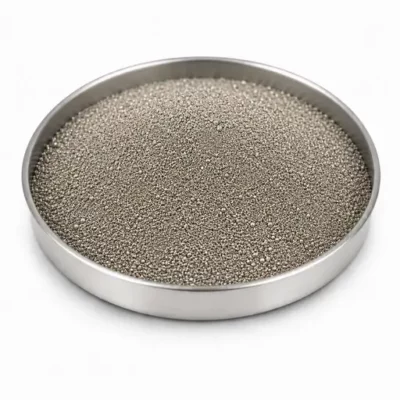
Solder, brazing, and thermal-spray powders
Solder, brazing, and thermal-spray powders require controlled size, shape, oxide condition, and alloy uniformity. Fines and surface changes can affect feeding, melting, deposition, and joint quality.
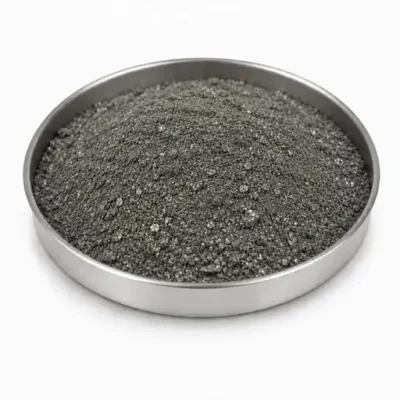
Recycled metal fines and reclaimed powders
Recycled metal fines and reclaimed powders can vary in size, oxygen, contamination, and morphology. Reuse history influences flow, packing, fusion, sintering, and final part consistency.
Quick comparison
Material route, common risk, first measurement
The same symptom points to different mechanisms depending on the metal or alloy, particle morphology, surface condition, atmosphere and process step. This is the fast bridge between metal powder behavior and the most useful first measurement route.
Metal powder routes, the handling or processing risk each one carries most often, and the measurement worth running first.
| Material route | Common handling or processing risk | Useful first measurement |
|---|---|---|
| Iron and low-alloy steel powders | Apparent density variation, oxidation, segregation, and inconsistent die filling | Particle size, morphology, apparent density, and flowability |
| Stainless steel powder grades | Satellite particles, fines, oxygen pickup, and unstable powder spreading | Particle size, morphology, oxygen content, and flowability |
| Aluminum and magnesium powders | Oxidation, dust release, electrostatic charging, and inconsistent packing | Particle size, morphology, oxygen, and electrostatics |
| Copper and copper alloy powders | Oxidation, poor packing, unstable compaction, and sintering variation | Particle shape, apparent density, oxygen, and compressibility |
| Titanium and titanium alloy powders | Oxygen pickup, contamination, satellites, and reuse-related variation | Particle size, morphology, oxygen, and contamination |
| Nickel and cobalt superalloy powders | Segregation, fines, satellites, and inconsistent fusion behavior | Particle size, morphology, oxygen, and apparent density |
| Tool steel and maraging steel powders | Segregation, oxygen pickup, cracking risk, and heat-treatment variation | Particle size, composition, oxygen, and flowability |
| Refractory metal powder grades | Cohesion, agglomeration, poor packing, and incomplete densification | Particle size, oxygen, apparent density, and compressibility |
| Tungsten carbide and hardmetal feedstocks | Binder segregation, granule attrition, moisture variation, and compaction defects | Granule size, moisture, binder distribution, and flowability |
| Magnetic and electrical metal powders | Coating damage, segregation, oxidation, and inconsistent magnetic response | Particle size, coating condition, density, and composition |
| Solder, brazing, and thermal-spray powders | Oxidation, fines, unstable feeding, and inconsistent deposition or wetting | Particle size, morphology, oxygen, and flowability |
| Recycled metal fines and reclaimed powders | Variable composition, contamination, oxidation, and reuse-history effects | Composition, particle size, oxygen, and contamination screening |
One risk per row is the one most often reported, not the only one that occurs. Use the selector above to work a specific combination through to a route.
Recurring problems
Start from the behavior you can see
These eight are the ones your own route card and continue block already name: flow, consolidation, dust, dosing, segregation, oxidation, contamination and packing instability. Oxidation earns a card here that it gets on no other hub, because oxygen pickup on a fresh metal surface changes flow, fusion and final properties at once. Each card runs back to the mechanisms worth separating and forward to the measurement that confirms which one is governing.







Also covered: electrostatics, attrition, bridging & arching, adhesion. All symptoms
Measurement routes
The test that answers your question
Metal powder behavior rarely resolves to one number. Particle size, morphology, satellites, oxygen content, moisture, cohesion, apparent density, electrostatic behavior and contamination can all sit behind the same visible process symptom. Pick the method by the question, not by the symptom.
Process routes
Where the behavior actually shows up
The same metal powder behaves differently depending on where it sits in the process. Atomization, classification, storage, conveying, dosing, blending, compaction, additive manufacturing, sintering and recycling each expose a different property and a different failure mode.
Go deeper
Guides and articles for metal powder behavior
Longer reads that work through the mechanisms behind these routes, from the visible process problem to material properties, measurement choice and interpretation.


FAQ
Metal powder processing questions
Need the measurement, not just the guidance? PowderTechnology.info works closely with Delft Solids Solutions,
a contract research organization specializing in the physical behavior of powders and granules. DSS provides
contract testing and characterization, with its laboratory working in accordance with ISO 17025.
Contact Delft Solids Solutions.
