
Ceramics and glass
Powder, batch, slurry, granule and recycled material behavior in ceramic and glass production
Clay bodies, oxides, carbides, glass batch, frits, granules, slurries and cullet are not one category
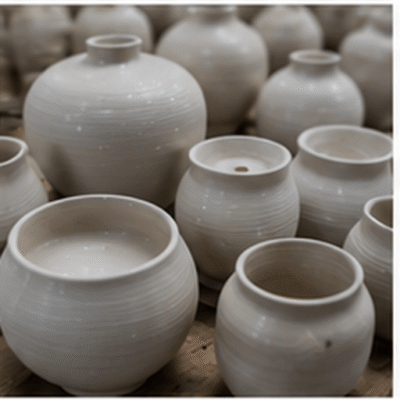
Particle size, shape, moisture, loss on ignition, cohesion, bulk density, surface area, agglomeration, packing, contamination and thermal history decide whether a material flows, batches accurately, disperses, forms cleanly, dries without cracking and fires or melts to the properties you designed for. This page connects what you are seeing on the line to the mechanism behind it and the measurement that settles it.
Ceramics and glass
Powder, batch, slurry, granule
and recycled material behavior in ceramic and glass production
Clay bodies, oxides, carbides, glass batch, frits, granules, slurries and cullet are not one category
Particle size, shape, moisture, loss on ignition, cohesion, bulk density, surface area, agglomeration, packing, contamination and thermal history decide whether a material flows, batches accurately, disperses, forms cleanly, dries without cracking and fires or melts to the properties you designed for.
This page connects what you are seeing on the line to the mechanism behind it and the measurement that settles it.



Find your route
Start with the material, then the behavior
Ceramic and glass materials do not behave as one category. Pick the powder, granule, slurry, batch, frit, refractory, cullet or reclaimed material class, then the behavior you are seeing in the process. The result names the mechanisms worth separating, the measurement to start with, and where in the process it usually shows up. It is a triage route, not a diagnosis.
- 1Material
- 2Behavior
- 3Route
Step 1 What are you handling?
Step 2 What are you seeing?
Step 3 Your route
Material routes
Powders, batches, granules, slurries and recycled streams
Ceramic and glass production handles plastic clay bodies, fine oxide powders, hard non-oxide ceramics, mixed glass batches, frits, pigments, refractory blends, spray-dried granules, concentrated slurries, cullet and reclaimed fines with very different particle sizes, densities, mineralogies, surface chemistries, moisture sensitivities and thermal behaviors. Each class has its own behavior profile, so the most useful route starts with the material before moving to the visible symptom or process instability.
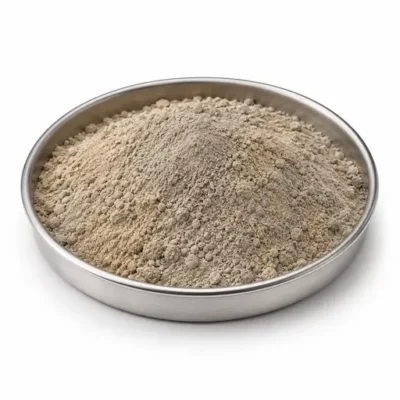
Clay minerals and ceramic body powders
Clay and ceramic body powders combine minerals with different sizes, shapes, and moisture responses. Plasticity, agglomeration, and blending affect forming and firing.
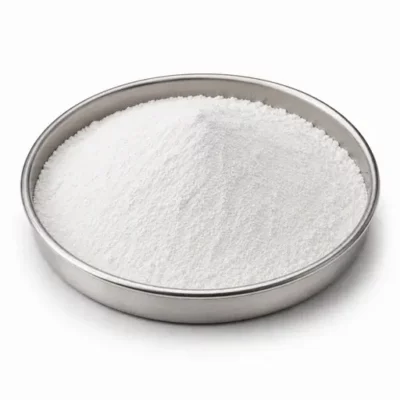
Alumina and advanced oxide ceramic powders
Alumina and advanced oxide powders require controlled purity, size, and surface area. Agglomeration, packing, and contamination affect forming, sintering, and strength.
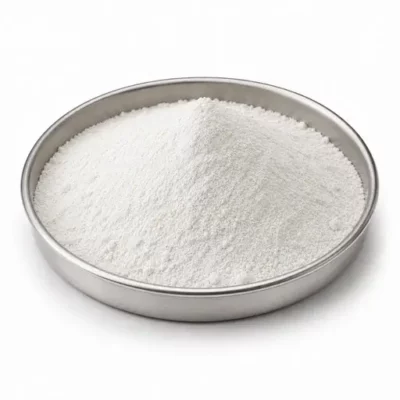
Zirconia and zircon-based ceramic materials
Zirconia and zircon-based powders can agglomerate and segregate across grades. Particle size, stabilizer distribution, moisture, and packing directly affect final densification.

Silicon carbide and silicon nitride powders
Silicon carbide and nitride powders are hard, fine, and highly surface-sensitive. Particle shape, oxygen, agglomeration, and binder distribution directly affect forming and sintering.
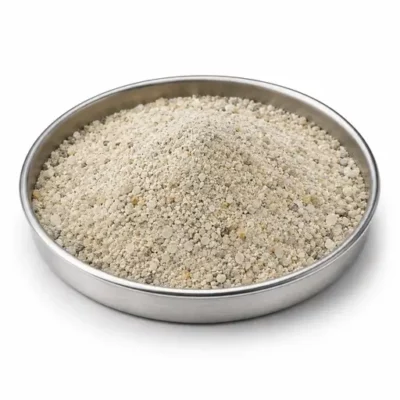
Glass batch minerals and raw materials
Glass batch feedstocks combine silica, carbonates, oxides, and cullet. Size, density, moisture, and segregation directly influence consistent batching, melting, and glass uniformity.
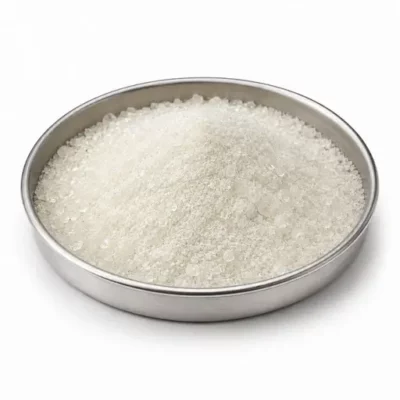
Glass frits and powdered glass
Glass frits and powdered glass can cake, abrade equipment, and release fines. Particle size, shape, moisture, and surface area directly affect consistent feeding, melting, and coating.
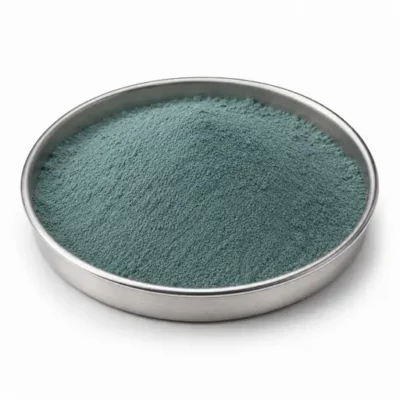
Ceramic glazes, enamels, and pigments
Glazes, enamels, and pigments combine mineral, glassy, and colorant particles. Dispersion, settling, moisture, and contamination affect opacity, gloss, and surface finish.
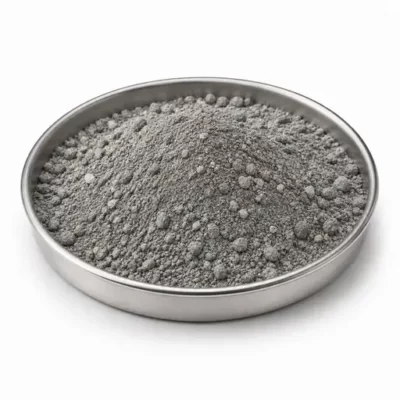
Refractory powders and castable mixes
Refractory mixes combine aggregates, fillers, binders, and additives. Water demand, segregation, moisture, and packing affect flow class, placement, and drying.
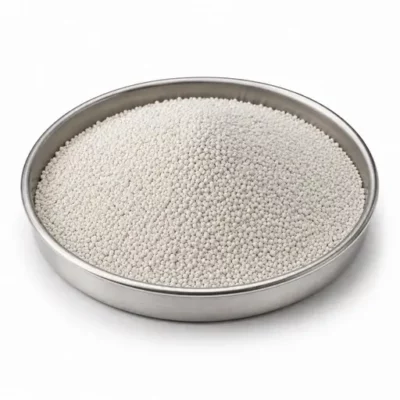
Spray-dried ceramic granule feedstocks
Spray-dried granules must flow, fill tooling, and deform consistently. Granule size, strength, moisture, and density affect pressing, defects, and firing.
Ceramic slurries and dispersed solids
Ceramic slurries require stable solids loading, dispersion, and rheology. Agglomeration, settling, air, and binder response affect casting, coating, drying, and firing.
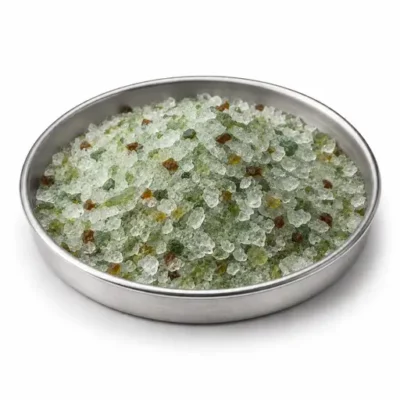
Cullet and recycled glass feedstocks
Cullet and recycled glass streams vary in size, shape, color, and contamination. Screening, sorting, fines, and moisture affect handling, melting, and final quality.
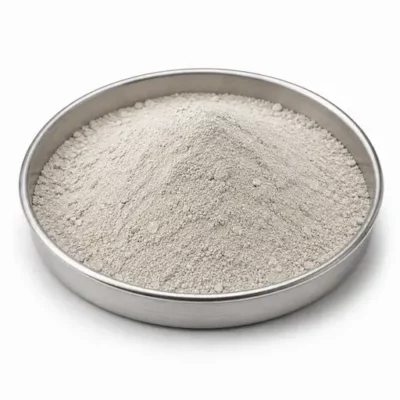
Reclaimed ceramic fines and powders
Reclaimed ceramic fines can carry mixed sizes, residual binders, and contamination. Classification, blending, and reuse limits affect consistency and fired properties.
Quick comparison
Material route, common risk, first measurement
The same symptom points to different mechanisms depending on the material class, particle size, mineralogy, binder system, surface chemistry, moisture condition and thermal route. This is the fast bridge between ceramic or glass behavior and the most useful first measurement route.
Ceramic and glass material routes, the handling or processing risk each one carries most often, and the measurement worth running first.
| Material route | Common handling or processing risk | Useful first measurement |
|---|---|---|
| Clay minerals and ceramic body powders | Moisture variation, agglomeration, segregation, inconsistent plasticity, and forming defects | Particle size, moisture, mineral composition, and plasticity |
| Alumina and advanced oxide ceramics | Agglomeration, contamination, poor packing, and inconsistent densification | Particle size, surface area, purity, and bulk density |
| Zirconia and zircon-based ceramic materials | Stabilizer segregation, moisture variation, agglomeration, and phase instability | Particle size, stabilizer distribution, moisture, and packing density |
| Silicon carbide and silicon nitride powders | Oxidation, agglomeration, binder variation, and incomplete densification | Particle size, oxygen content, surface condition, and bulk density |
| Glass batch minerals and raw materials | Segregation, moisture uptake, dosing variation, and non-uniform melting | Particle size, moisture, composition, and bulk density |
| Glass frits and powdered glass materials | Caking, abrasion, fines generation, and unstable feeding or coating | Particle size, moisture, surface area, and flowability |
| Ceramic glazes, enamels, and pigments | Settling, poor dispersion, contamination, color variation, and coating defects | Particle size, dispersion stability, moisture, and color consistency |
| Refractory powders and castable mixes | Segregation, moisture variation, poor packing, and inconsistent placement | Particle size distribution, moisture, bulk density, and flowability |
| Spray-dried ceramic granule feedstocks | Granule breakage, poor die filling, moisture variation, and compaction defects | Granule size, moisture, bulk density, and granule strength |
| Ceramic slurries and dispersed solids | Agglomeration, settling, air entrainment, and unstable rheology | Solids loading, particle size, rheology, and dispersion stability |
| Cullet and recycled glass feedstocks | Contamination, color mixing, fines, moisture, and inconsistent melting | Particle size, composition, contamination, and moisture |
| Reclaimed ceramic fines and powders | Mixed composition, residual binders, contamination, and inconsistent reuse performance | Particle size, composition, loss on ignition, and contamination screening |
One risk per row is the one most often reported, not the only one that occurs. Use the selector above to work a specific combination through to a route.
Recurring problems
Start from the behavior you can see
These eight come from your own route card and continue block: flow, caking, dust, batching variation, segregation, contamination, moisture sensitivity and slurry instability. Slurry instability earns a card here that it gets on no other hub, because a ceramic body can be perfect as a powder and still fail once it is dispersed. Each card runs back to the mechanisms worth separating and forward to the measurement that confirms which one is governing.





Also covered: attrition, agglomeration, bridging & arching, adhesion. All symptoms
Measurement routes
The test that answers your question
Ceramic and glass behavior rarely resolves to one number. Particle size, morphology, moisture, loss on ignition, cohesion, density, porosity, surface area, rheology, packing, contamination and thermal response can all sit behind the same visible process symptom. Pick the method by the question, not by the symptom.
Compare every method All test methods on the site, grouped by the question they answer.
Process routes
Where the behavior actually shows up
The same ceramic or glass material behaves differently depending on where it sits in the process. Preparation, milling, storage, batching, conveying, mixing, forming, drying, firing, melting and recovery each expose a different property and a different failure mode.
Go deeper
Guides and articles for ceramic and glass materials
Longer reads that work through the mechanisms behind these routes, from the visible process problem to material properties, measurement choice and interpretation.


FAQ
Ceramic and glass material questions
Need the measurement, not just the guidance? PowderTechnology.info works closely with Delft Solids Solutions,
a contract research organization specializing in the physical behavior of powders and granules. DSS provides
contract testing and characterization, with its laboratory working in accordance with ISO 17025.
Contact Delft Solids Solutions.