
What counts as a microplastic here
The REACH microplastics reporting offers restriction targets for synthetic polymer microparticles under 5 millimetres. It applies when they are placed on the market on their own, or intentionally added to mixtures, and can be released during normal use. Articles sit outside the scope. However, mixtures used in industry may still trigger labelling and reporting.
The new duties and timing
Two things matter most. First, provide clear instructions to prevent releases when required. Second, the report estimates annual emissions to ECHA each year. Most reporting starts in 2026 or 2027, depending on use category. Set up data capture now, not next spring.
Why is this suddenly urgent?
Supply chains are moving. Major additive suppliers are exiting PFAS lines in 2025. That change touches slip agents, processing aids, and powder coating modifiers. Expect reformulations and lead times. Plan trials early and validate performance.
Five quick checks for your site adhering to REACH microplastics reporting
1) Inventory and classify.
List every polymer powder by chemistry, particle size, and use. Flag where powders are intentionally added to mixtures. Note which uses could release particles during normal use. Map these to Entry 78 obligations, to adhere ot the REACH Annex XVII.
2) Confirm containment and capture.
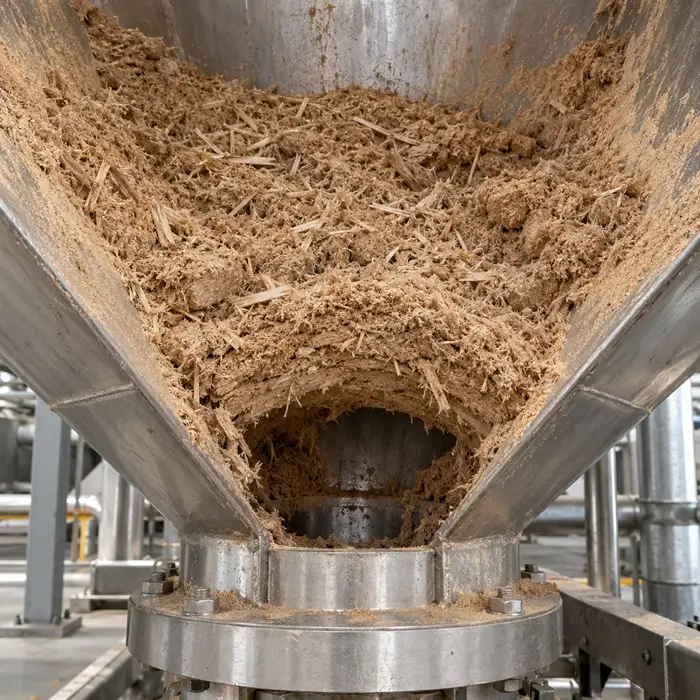
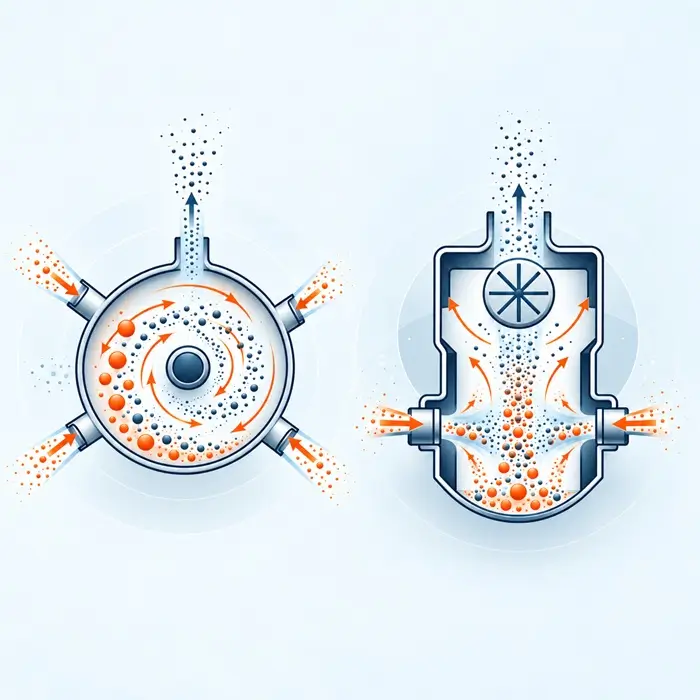
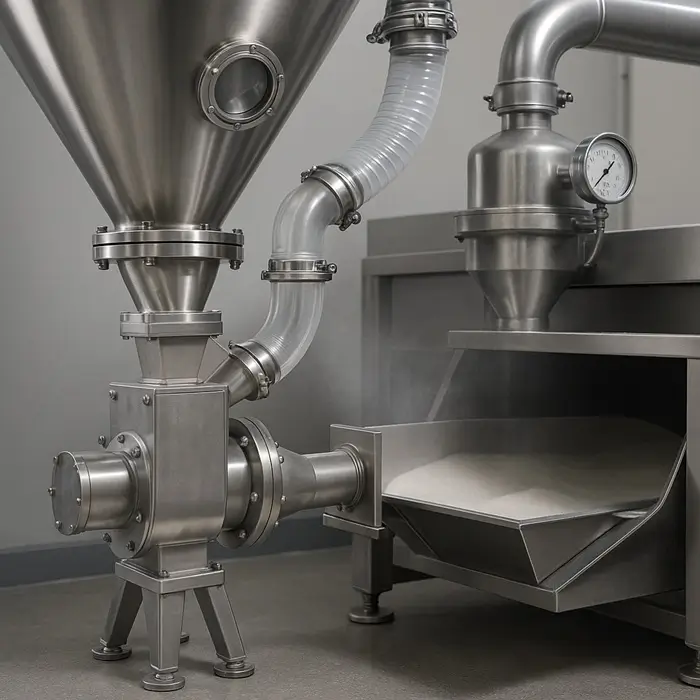
Close open transfer points. Run negative pressure where practical. Verify filter ratings and leak tightness. Document hopper seals and cleanout methods. Auditors, and your reports, will look for proof that releases are minimised.
3) Update labels and SDS text
Add the required handling and disposal instructions if your mixture falls in scope. Keep change control tight and record effective dates. Train operators so practice matches paperwork.
4) Build a reporting pipeline.
Add the required handling and disposal instructions if your mixture falls in scope. Keep change control tight and record effective dates. Train operators so practice matches paperwork.
5) Qualify substitutions.
Screen PFAS-free additives and non-polymer alternatives for slip, wear, and flow. Test for dustiness, caking, and electrostatic behaviour. Keep a validation dossier with before-and-after data. Suppliers are publishing PFAS-free ranges now.
Where powders will feel it first
Powder coatings that use polymeric slip agents will see early change. Abrasive and polishing blends may trigger labelling or reporting. Some 3D printing and compounding powders also fall in scope. Each case depends on particle type, use, and release. Check your definitions, not rumours.
Bottom line in regards to REACH microplastics reporting
This is not a paperwork exercise. The rule links product design, plant practice, and supply chain reality. Teams that map their powders now will avoid scramble later. Get your list straight, tighten containment, and pilot PFAS-free options while stock still moves. The first reporting window will arrive faster than you think.