
Welcome to PowderTechnology.info - Today is : September 10, 2026

Triboelectric Separation: Using Charge Difference to Sort Plastics and Minerals Instead of Fighting It

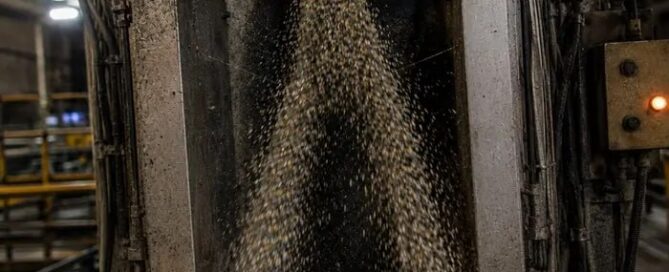
Triboelectric separation turns contact electrification from a handling hazard into a deliberate sorting mechanism. This article covers how material pairs are selected by charge polarity, what feed moisture and particle size do to separation efficiency, and where the technique sits relative to density and optical sorting.
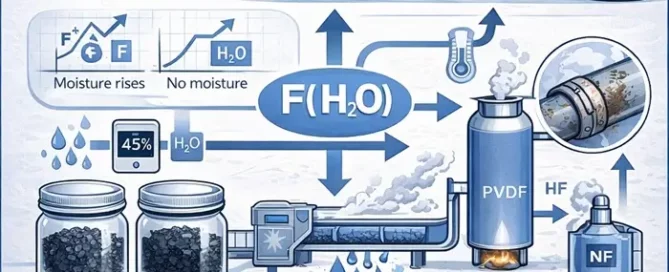

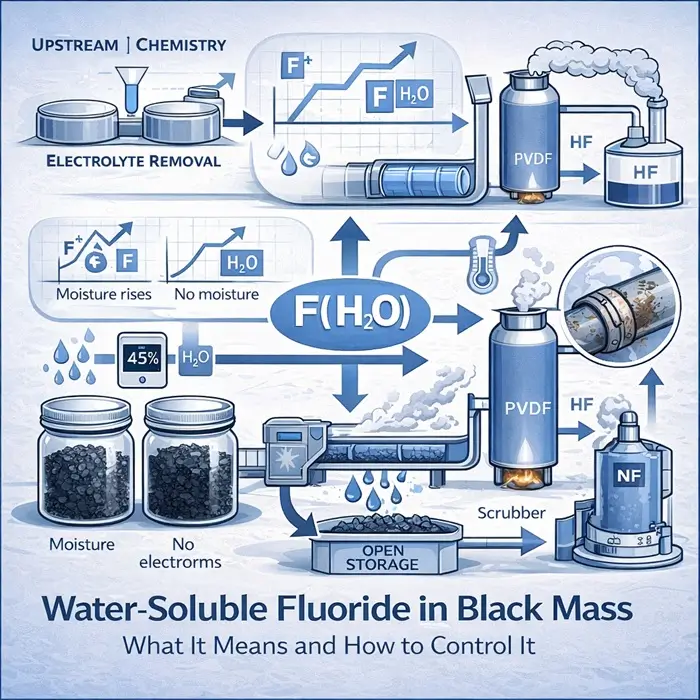
Water Soluble-Fluoride in Black Mass: Limits, Risks, and QA Control

Water-soluble fluoride in black mass is now a [...]

Black Mass Powder Quality: Sampling, QA Panel, and Spec Templates

Black mass powder quality decides yield, buyer acceptance, [...]

Silicon Anode Powder: The Manufacturing Bottleneck Behind Next Gen Battery Gains

Silicon anode powder fails in production for predictable [...]

Sulfide Solid Electrolytes: The Powder Barrier to Solid State Batteries

Sulfide solid electrolytes promise fast ion transport and [...]

Powder Certificate of Analysis vs Reality: Why Incoming Tests Matter

A powder certificate of analysis (CoA) confirms identity [...]

Powder Caking Prevention: Causes, Testing Methods, and Proven Fixes

Powder caking can be predicted and, in most [...]

Powder Technologies Within Circular Systems

The relevance of powder testing for circular economy [...]

Hard Carbon in Sodium-Ion Batteries: Moisture Control, Powder QA, and Line Readiness

Hard carbon sodium-ion batteries are a match made [...]

Measuring Hygroscopicity in Food Powders: Why It Matters More Than You Think

Check out these related articles: https://powdertechnology.info/moisture-content-analysis-in-powder-samples/ [...]

Go to Top