
The Cost Barrier in Metal Additive Manufacturing
Anyone running metal AM knows the budget strain. Premium feedstock is consistent but expensive. Cheaper powders promise savings, but then surprise you with porosity, inconsistent fusion, or rough surfaces. I’ve seen builds scrapped halfway because a lot’s particle size distribution shifted outside the sweet spot. That’s where AI monitoring in additive manufacturing comes in.
How AI Keeps the Build on Track
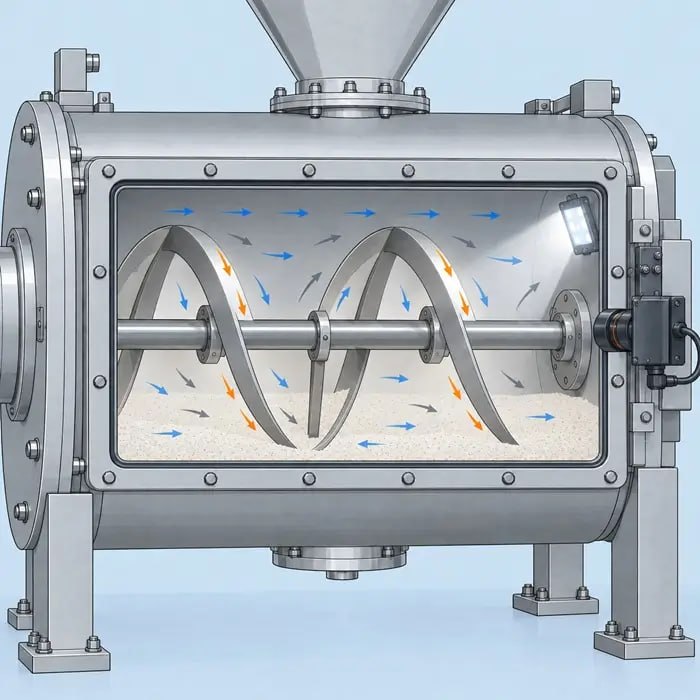
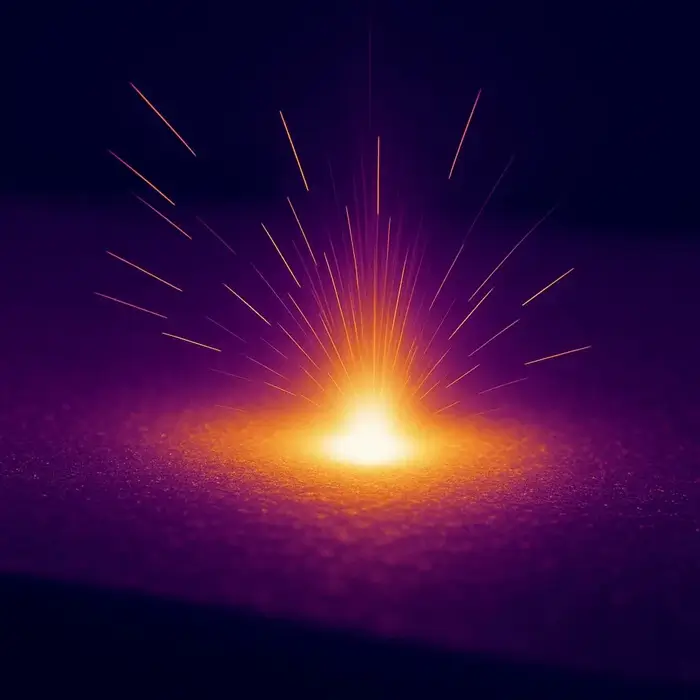
Real-time monitoring works because it catches the problem while it’s forming. Dual-wavelength pyrometers track melt pool temperature with high precision. High-speed thermal cameras map heat flow at up to a thousand frames per second. Coaxial melt pool sensors measure reflected light intensity, giving instant feedback on pool shape and depth. Eddy current probes pick up subsurface changes as layers solidify.
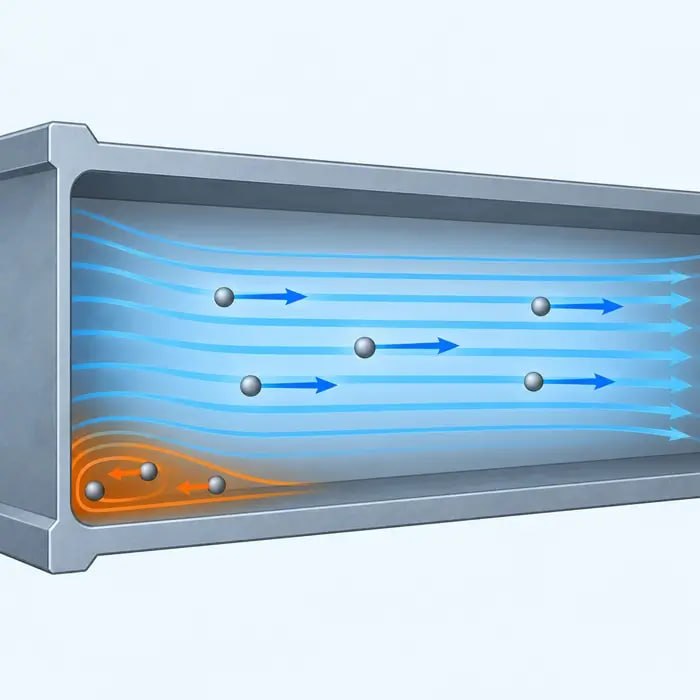
Machine learning models interpret this combined data in milliseconds. If the pool runs hot, laser power drops a fraction. If track width narrows, scan speed slows. Adjustments happen mid-layer. The process stays inside a stable window instead of drifting into reject territory.
Why Cheaper Powders Become an Option
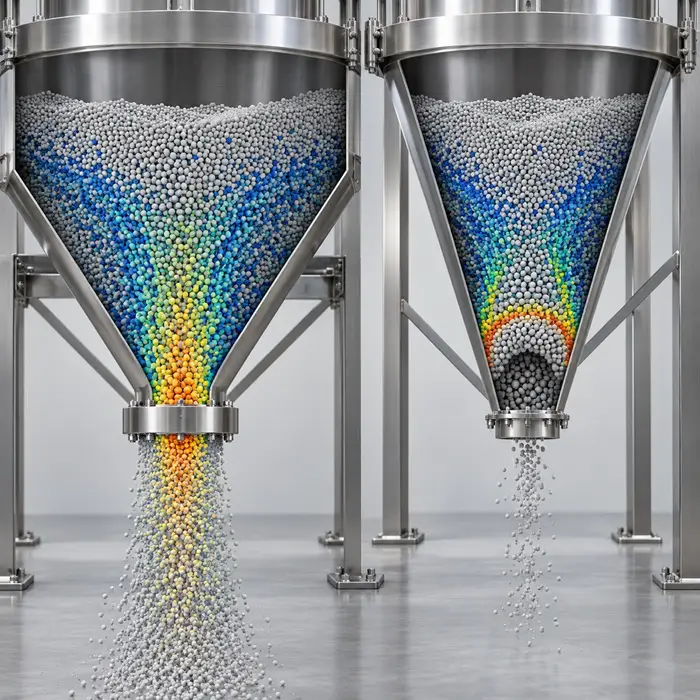
Affordable powders carry quirks. Broader particle size ranges affect flowability. Higher oxide content changes absorptivity and melt behaviour. In the past, you’d run conservative parameters or blend heavily with premium powder. Now, AI adapts layer by layer. I’ve seen recycled blends pass inspection because the monitoring caught pool shrinkage early and corrected before bonding suffered.
Shifting the Operator’s Role
Before, operators waited on CT scans or tensile tests to find defects. Now, they watch a live dashboard. The system logs temperature profiles, reflectance changes, and parameter shifts for every track. You can trace exactly why a part stayed inside spec. That traceability cuts qualification time for new powder lots.
How to Bring It In Without Tripping Up
AI monitoring in additive manufacturing is not magic. Sensors must be aligned to the beam path within tight tolerances. Thermal cameras need calibration against known emissivity values for each alloy. Models require boundaries; they should flag out-of-range events, not overcorrect. Start with one material and geometry. Dial in the system before scaling up.
What It Means for the Industry
Tooling plants can use locally sourced powders without sacrificing fit or finish. Aerospace teams hold porosity within limits on alloys that used to demand premium powder. Medical manufacturers keep a complete digital record of process conditions from the first track to the last contour. Across the board, scrap falls, flexibility rises, and cost-per-part drops.
My Take
If I can run a powder that’s half the price and still print to spec, with live proof of stability, that’s not a minor upgrade. That’s the kind of shift that makes managers rethink their powder sourcing for good.