
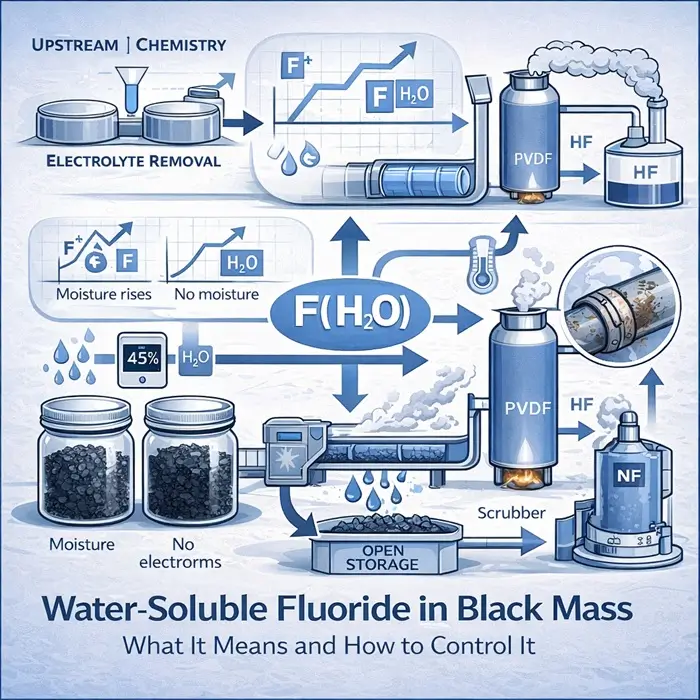
Water-soluble fluoride in black mass has shifted from “lab detail” to a commercial gate and a plant stability variable. China’s import framework for recycled black mass, effective August 1, 2025, includes water-soluble fluoride thresholds, with ≤0.4% as a key limit in the common discussion.
That number forces a mindset change. Fluorine control is not only a hydromet issue later in the chain. It is a powder problem now, because handling, moisture exposure, and storage time can change what is “water soluble” from one batch to the next.
Why this matters for powder engineers
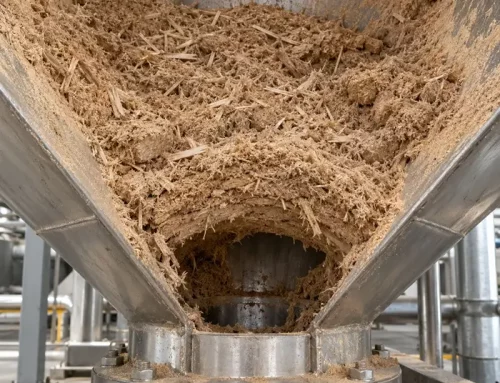
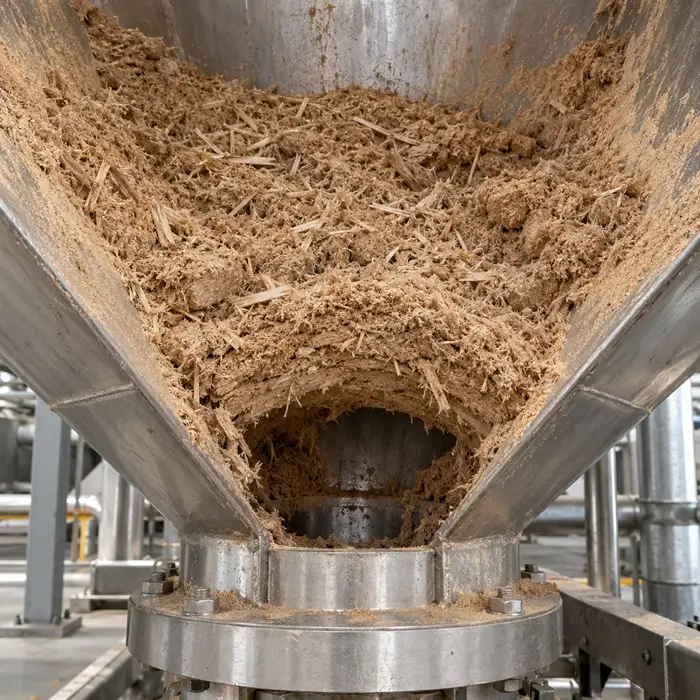
Black mass is a fine, heterogeneous powder produced after discharge, dismantling, and mechanical liberation of battery components. It contains active material, carbon, binder residue, and variable electrolyte remnants. The same lot can pass a metal assay and still fail downstream on impurity behavior.
Water-soluble fluoride is especially sensitive because it sits at the intersection of chemistry and handling. It also correlates with practical pain points, corrosion load, scrubbing demand, equipment attack, and drift in wastewater behavior.
What “water soluble fluoride” really means
Water-soluble fluoride is not a direct HF measurement. It is a standardized extraction result that captures fluoride that can move into water under defined conditions. In practice, it often reflects mobile fluoride species originating from electrolyte salts and their reaction products, as well as fluoride released during processing.
HF still matters, but keep the boundary clear. HF generation is a known pathway when LiPF6 and moisture interact. That pathway explains why the same material can feel “more aggressive” after humid exposure, even before any visible change in the powder.
What to measure every time
If you want stable production decisions, treat fluoride like any other critical powder KPI and lock the method.
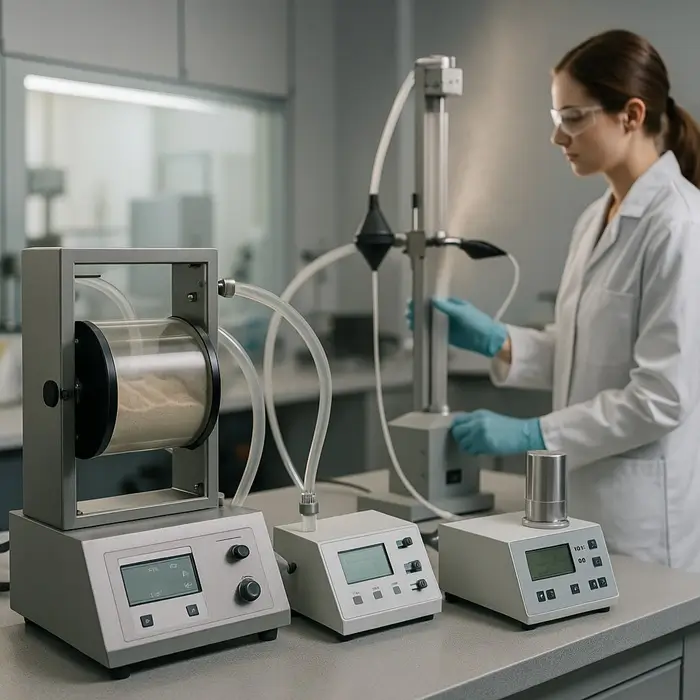
Water-soluble fluoride. China’s GB/T 45203 2024 standard describes water-soluble fluoride determination using a defined water extraction and a fluoride ion selective electrode method. If you deviate, you lose comparability.
Ions panel, optional but useful. Some labs run ion chromatography on black mass extracts to trend fluoride alongside other ionic compounds and to diagnose extraction and purification steps.
Moisture content. Moisture is the trigger that changes fluorine’s behavior and interpretation. Trend it with a method that resolves low moisture and surface-driven variability.
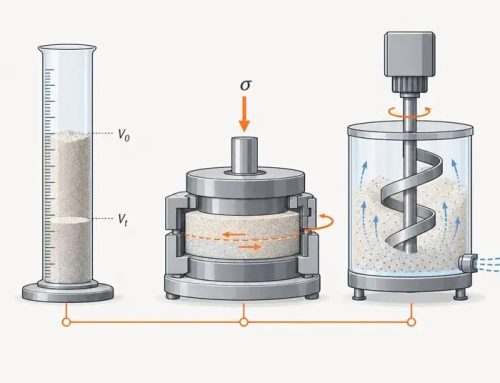
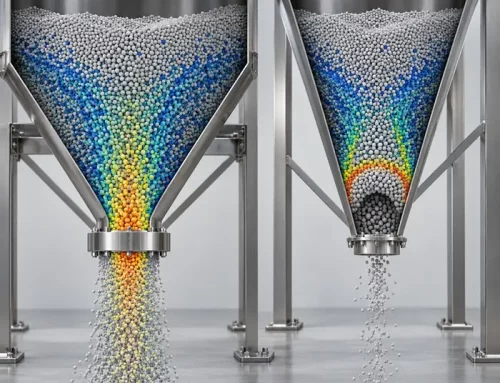
Fines fraction. Keep one PSD marker that flags drift in the sub-100 micron region. Fines drive dustiness, filter loading, and segregation risk.
Sample handling: do not contaminate your own test
If water can change the chemistry, then sampling is part of the test method.
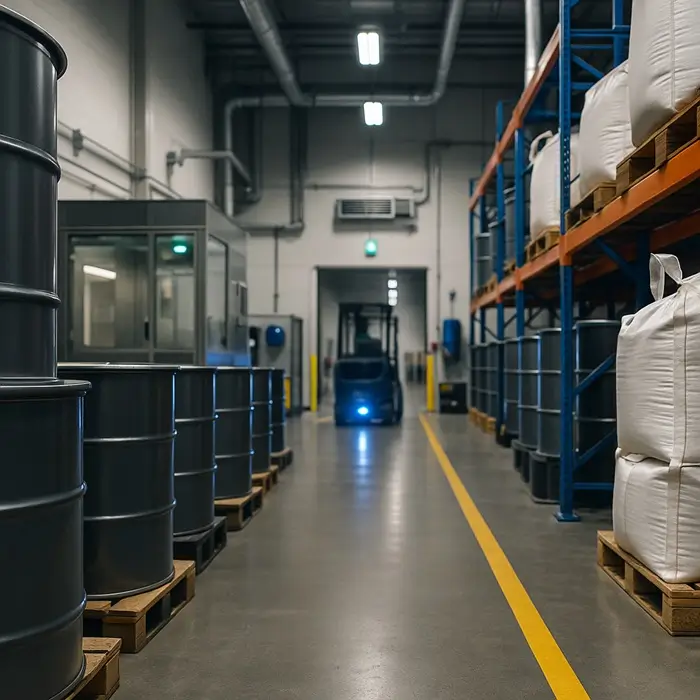
Seal the sample immediately after taking it. Use a dry, airtight container and fill it as much as is practical, so there is little air volume above the powder. Record how long the sample sat before sealing, how long it was stored, and the storage humidity or at least whether it was stored in controlled, dry conditions.
If the powder sits open on a bench, it can pick up moisture from the room. That can shift fluoride into more water-soluble forms. At that point, you are not measuring the process stream anymore; you are measuring what happened during handling.
Decision rules you can actually run
Dust risk still exists
Some black mass dusts test lower than classic metal dusts, but “lower” does not automatically imply “safe”. In 20 L vessel testing, one black mass sample exceeded 6 bar overpressure at 300 g/m³ under 20 kJ ignition. That is enough to justify disciplined containment, housekeeping, and hot work control.
Wrap up
Water-soluble fluoride only becomes manageable when you separate three things: incoming chemistry, moisture exposure, and any thermal step you introduce. Lock the extraction method, control storage humidity, then use the trend logic to decide whether the lever is upstream removal, handling, or off-gas design. That is how you prevent drifting lots and late-stage surprises.