

Regulators are still wrestling with titanium dioxide powder classification.
In November 2025, the EU Court confirmed the annulment of the earlier harmonized classification for certain powdered forms of TiO₂ as a suspected carcinogen when inhaled.
On paper, that sounds like a relaxation. In practice, the message is more complicated.
The annulment rests largely on procedural and wording issues. It does not magically turn inhalable TiO₂ into a benign dust. National institutes continue to treat fine pigment powders as potentially hazardous when airborne. They still expect employers to evaluate exposure and control it.
At the same time, the regulatory net around nanomaterials is tightening. As of January 2025, nanosilver and multiwalled carbon nanotubes have been added to the Dutch SZW list of carcinogenic substances and processes. European guidance on nanomaterials in the workplace points in the same direction.
So while one high-profile classification is withdrawn, other nano-scale powders move onto stricter lists.
What this means for inhalable powder risk management
For a powder plant, the legal noise around titanium dioxide powder classification should trigger three practical questions.
First, do we really know our dust exposure levels?
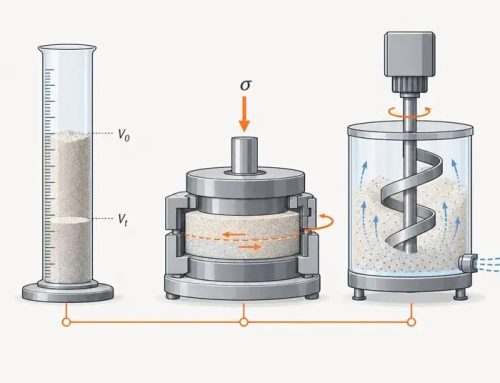
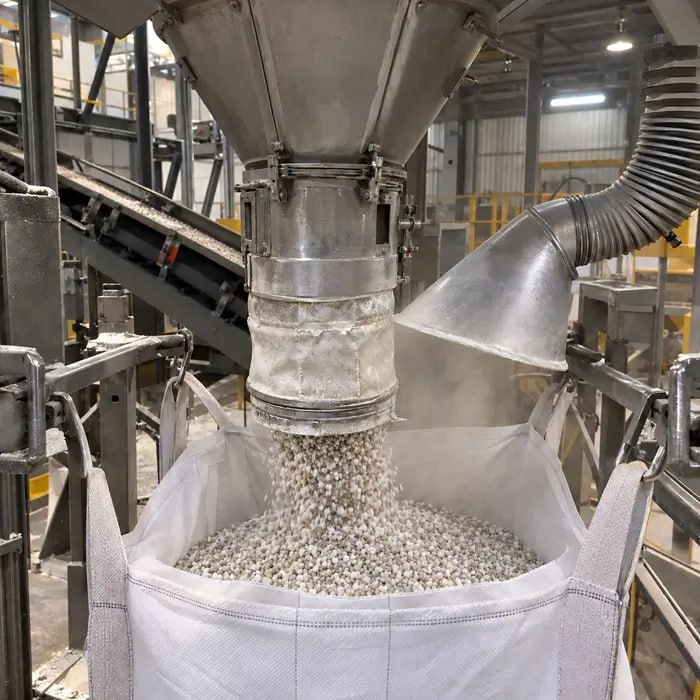
If you handle pigments, fillers, nano additives, or battery materials, you still need hard data on inhalable and respirable dust. Routine dustiness tests and occupational hygiene measurements remain your best defence when regulators or insurers start asking detailed questions.
Second, are we treating borderline materials consistently?
Many facilities have tight controls for “official” carcinogens, yet looser practices for pigments or specialty powders that never received a harmonized label. The new nano entries and the TiO₂ ruling together argue for a more systematic approach. Classifications may change again. Your workers’ lungs do not.
Third, is our documentation aligned with reality on the floor?
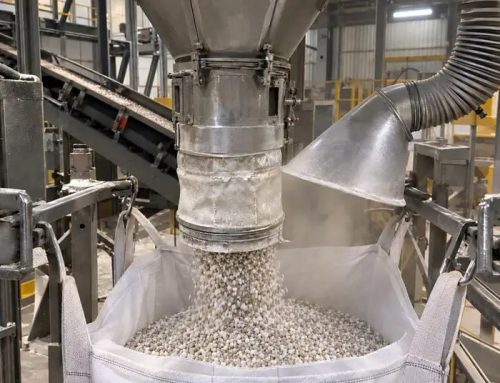
Safety data sheets, operating procedures, and training slides must reflect how powders are actually stored, moved, and cleaned up. If you rely on phrases like “low dust generation,” you should be able to point to dustiness data, extraction design, and housekeeping routines that support that claim.
Priority actions for EHS and process engineers this quarter
You do not need a complete rewrite of your safety system. You do need deliberate steps.
-
Map the obvious and hidden TiO₂ uses
Look beyond pure pigment bags. Check coatings, masterbatches, cosmetic intermediates, and ceramic slurries that might dry into dusty residues. Link each use to a process step where dust can escape. -
Review dustiness and hygiene data for high-volume powders
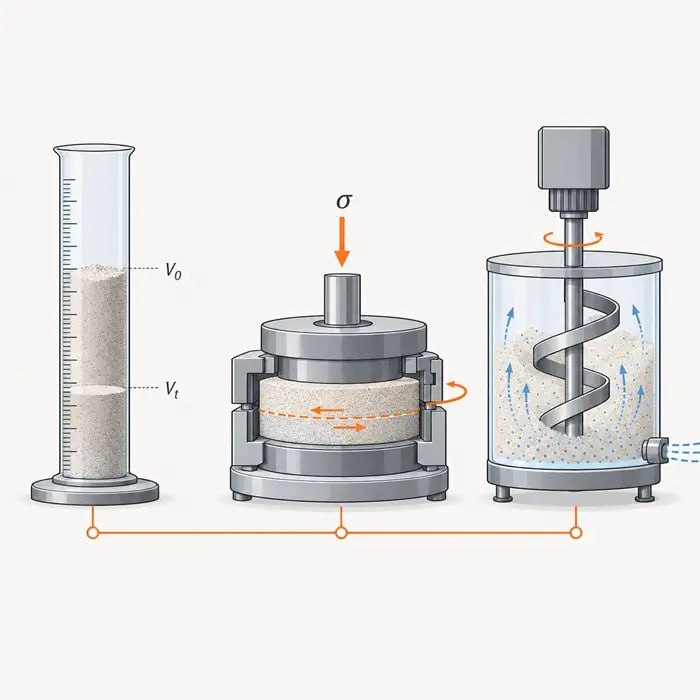
Compare rotating drum or drop tests, where you have them, with personal exposure measurements. Identify processes where inhalable dust peaks and where respirable fractions are poorly understood. -
Group powders by inhalation concern, not by product label
Create internal categories that reflect real risk: highly dusting nano materials, fine pigments and fillers, and coarser granular solids. Align engineering controls and PPE with these groups, instead of relying only on formal classifications. -
Update training narratives
Operators hear about the court decision through trade media. Use toolbox talks to explain that the annulment does not mean TiO₂ dust is harmless. Frame it alongside new entries like nanosilver and carbon nanotubes, which signal a broader shift toward stricter nano oversight. -
Document your reasoning
Regulators increasingly expect a clear exposure story. Capture why you chose specific ventilation rates, enclosure strategies, or respirator types for TiO₂ and other dusty powders. That documentation becomes vital when limits change or incidents occur.
In short, treat the 2025 titanium dioxide powder classification news as a prompt, not a green light. Use it to tighten your exposure data, align controls across similar powders, and strengthen the narrative that connects lab tests, plant design, and worker protection.