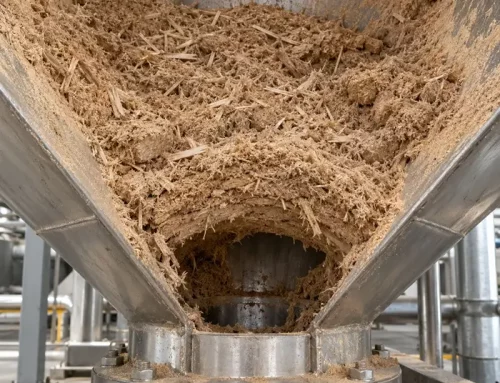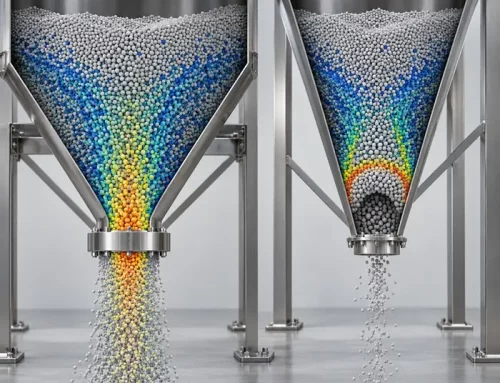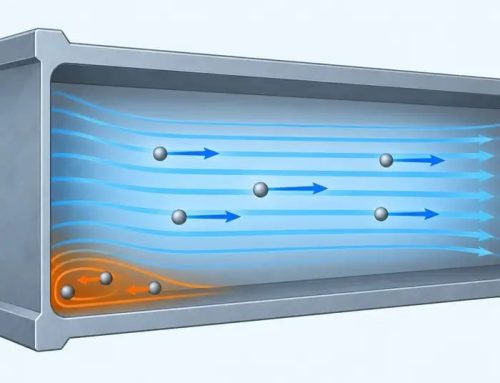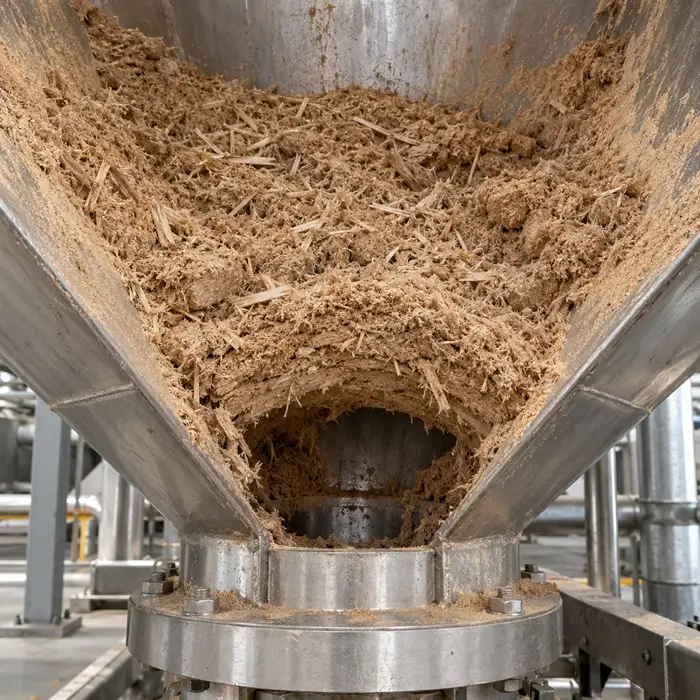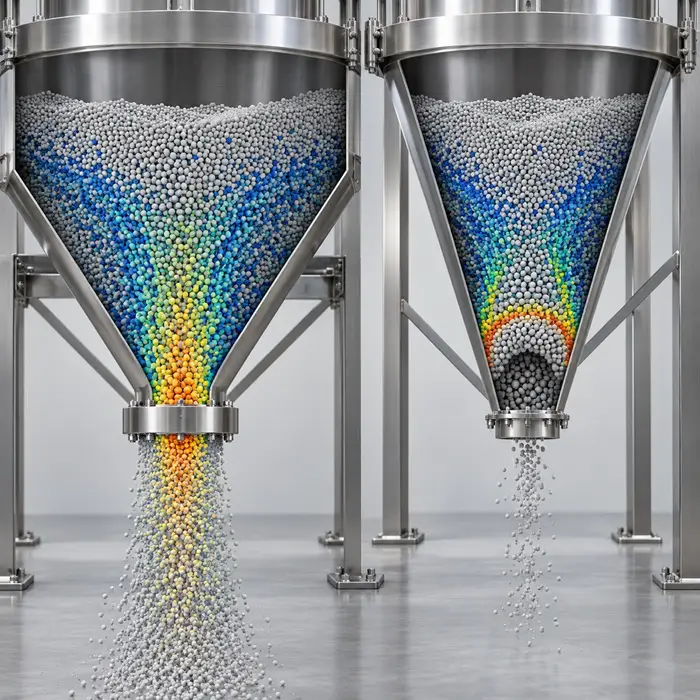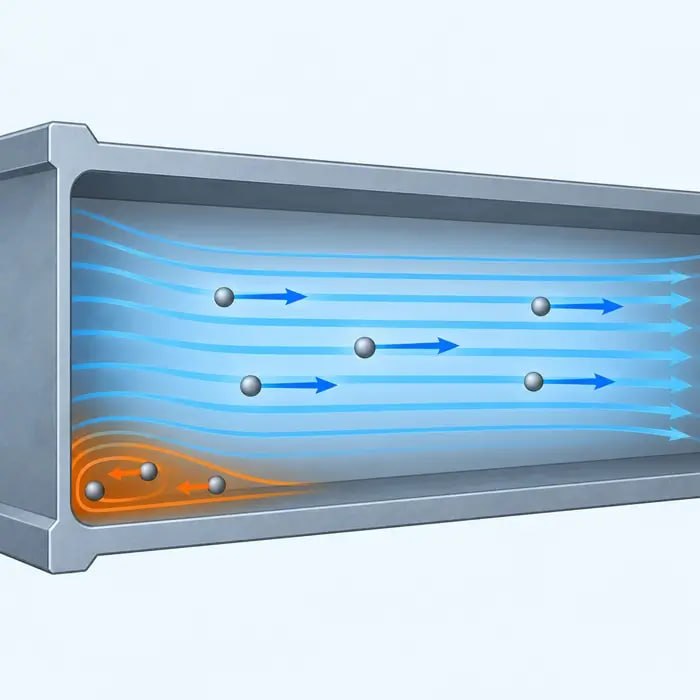


Robotic systems have long struggled with powders. Most dosing robots fail when materials clump, flood, or bridge. That’s because traditional motion control can’t adapt to changing flow conditions.
A new approach changes this.
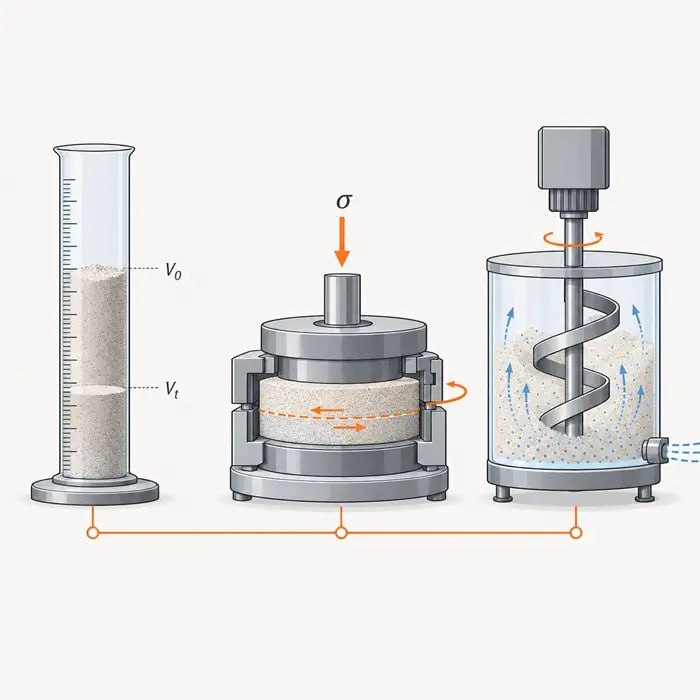
In June 2025, researchers introduced FLIP, a robotic system that weighs powders using flowability-informed control. FLIP doesn’t guess. It measures how a powder flows, then adapts its pouring angle, tapping behavior, and stop point during each dose.
The result: robots can now weigh powders with high precision, even when the material doesn’t behave predictably.
Robotic Powder Handling Moves Beyond Free-Flowing Materials
The focus keyphrase robotic powder handling matters here. That’s what FLIP enables.
Engineers can now automate tasks previously done by hand:
-
Weighing cohesive or low-flow powders in R&D labs
-
Dosing variable materials in formulation batches
-
Minimizing dust exposure in hazardous material handling
The robot learns by doing. If a powder bridges mid-dispense, FLIP detects the stop in flow and corrects. This makes dosing more reliable, more consistent, and safer.
Why This Represents a Tipping Point in Powder Automation
FLIP marks a shift from static automation to responsive, behavior-informed control.
That opens the door to:
-
Smarter R&D workflows with fewer manual steps
-
Closed-loop feedback between powder characterization and robotic handling
-
Scalable dosing of challenging materials without human intervention
For industries dealing with variable powders—like pharma, food, and battery manufacturing—this capability fills a long-standing gap.