
Pigments and paints
Powder, slurry, paste and additive behavior in pigment and paint processing
Pigments, extenders, binders and slurries are not one category
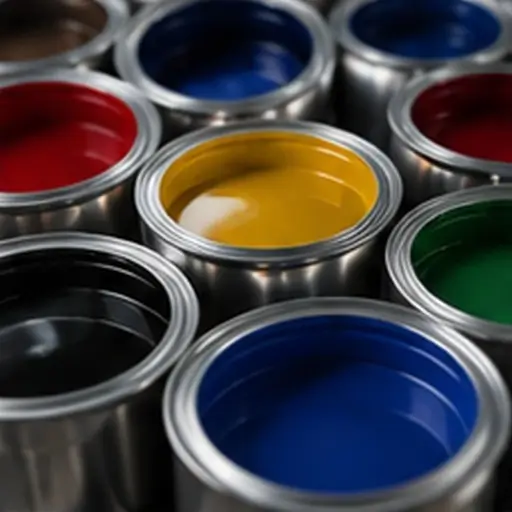
Particle size, shape, surface treatment, moisture, cohesion, bulk density, agglomeration, density and electrostatic behavior decide whether a pigment or paint material flows, dusts, doses evenly, wets, disperses, or stays in suspension. This page connects what you are seeing on the line to the mechanism behind it and the measurement that settles it.
Pigments and paints
Powder, slurry, paste and additive behavior
in pigment and paint processing
Pigments, extenders, binders and slurries are not one category
Particle size, shape, surface treatment, moisture, cohesion, bulk density, agglomeration, density and electrostatic behavior decide whether a pigment or paint material flows, dusts, doses evenly, wets, disperses, or stays in suspension. This page connects what you are seeing on the line to the mechanism behind it and the measurement that settles it.



Find your route
Start with the material, then the behavior
Pigment and paint raw materials do not behave as one category. Pick the material class, then the behavior you are seeing in the process. The result names the mechanisms worth separating, the measurement to start with, and where in the process it usually shows up. It is a triage route, not a diagnosis.
- 1Material
- 2Behavior
- 3Route
Step 1 What are you handling?
Step 2 What are you seeing?
Step 3 Your route
Material routes
Pigment, filler, binder and additive types
The same site may handle organic pigments, inorganic oxides, titanium dioxide, carbon black, metallic flakes, extenders, resin powders, dispersants, dry color blends, waterborne slurries, solventborne pastes and recovered paint solids. Each class has its own behavior profile, so the most useful route starts with the material.
Organic pigment powders and colorants
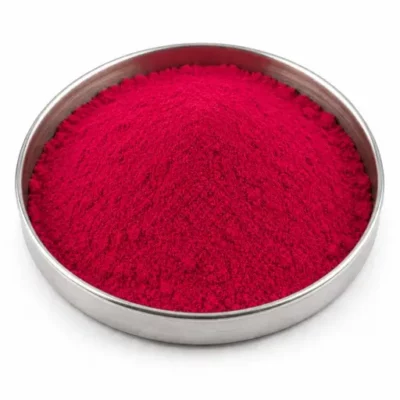
Organic pigment powders can be cohesive, dusty, and difficult to wet. Particle size, surface treatment, and agglomeration influence feeding and dispersion.
Inorganic pigments and oxide powders
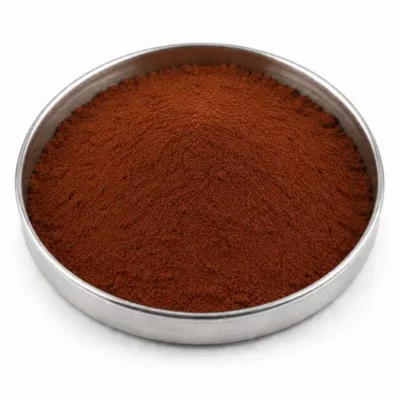
Inorganic pigments can be dense, abrasive, or prone to settling. Particle size, density, and surface condition affect transfer, dosing, and suspension stability.
Titanium dioxide and white pigment
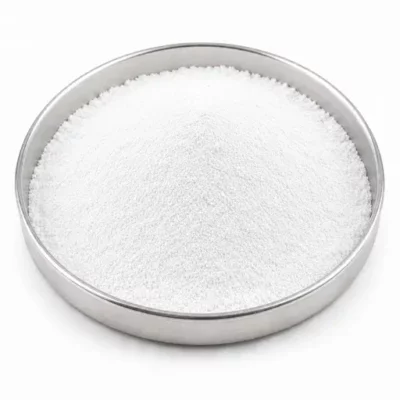
Titanium dioxide grades differ in surface treatment, density, and agglomeration. These differences affect dust, wetting, dispersion, and hiding performance.
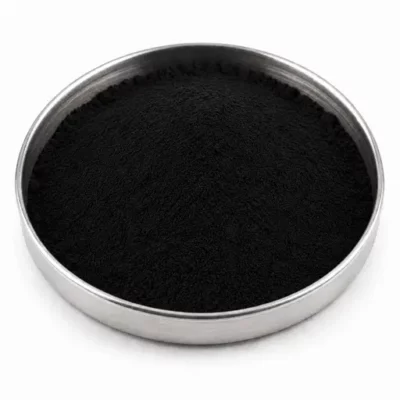
Carbon black and dark pigment powders
Carbon black and dark pigments are fine, cohesive, and highly dust-forming. Low bulk density and static can disrupt feeding, wetting, and dispersion.
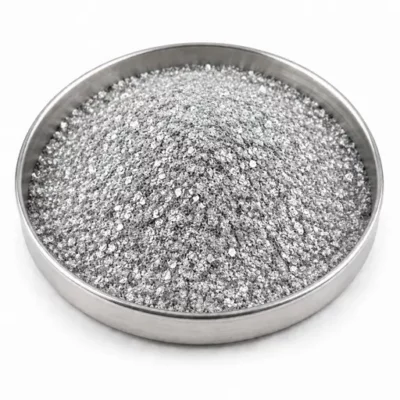
Effect pigments and metallic flake grades
Effect pigments and metallic flakes can align, break, or separate during handling. Shape, aspect ratio, and shear influence appearance and stability.
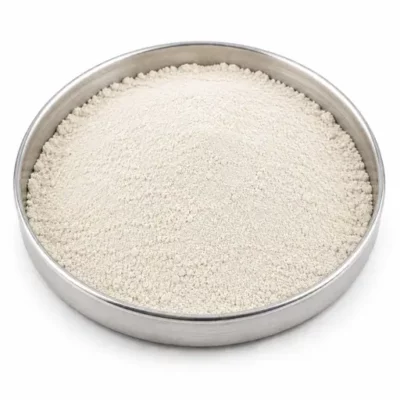
Extenders, additives, and functional mineral fillers
Extenders and mineral fillers can compact, abrade, or settle. Particle size, density, moisture, and surface treatment influence dosing and rheology.
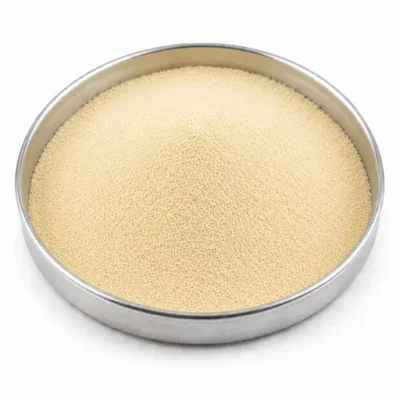
Resin powders and solid binder systems
Resin powders and solid binders can soften, cake, or charge during storage and transfer. Particle size and thermal history influence feeding and incorporation.
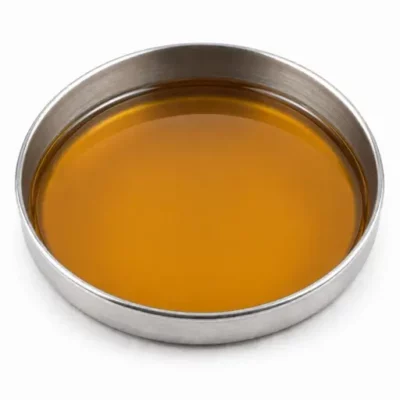
Wetting agents and dispersant additives
Wetting agents and dispersants are added at low levels, so dosage accuracy and addition point matter more than bulk handling. Compatibility and foaming matter.
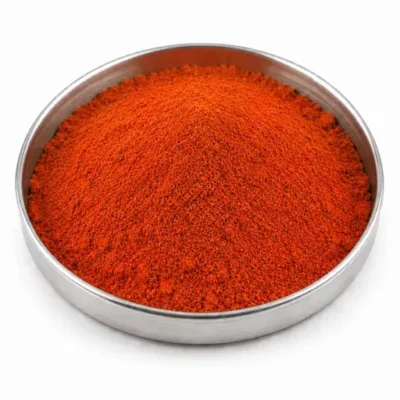
Dry color blends and pigment preparations
Dry color blends can be difficult to dose and disperse evenly. Cohesion, static, low addition rates, and handling variability can affect shade consistency and color uniformity between batches.
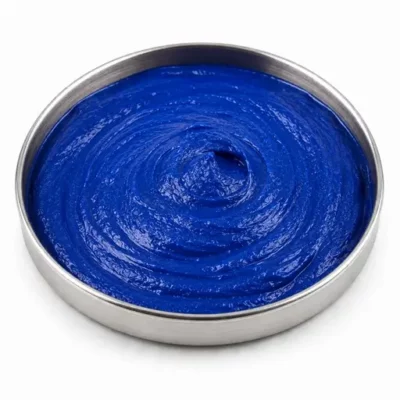
Waterborne concentrates and pigment slurries
Waterborne concentrates and slurries can settle, thicken, foam, or form agglomerates. Solids loading, viscosity, and dispersion state directly control overall handling stability.
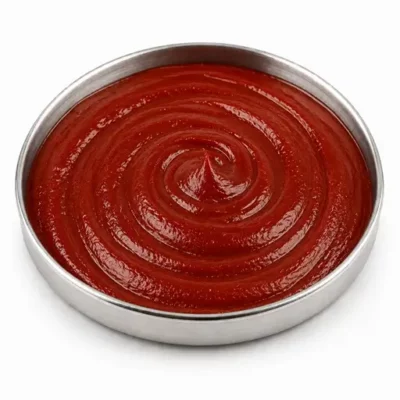
Solventborne pastes and liquid colorants
Solventborne pastes and liquid colorants can settle, skin, or change viscosity. Solvent balance, temperature, and dispersion state directly affect transfer, stability, and formulation performance.
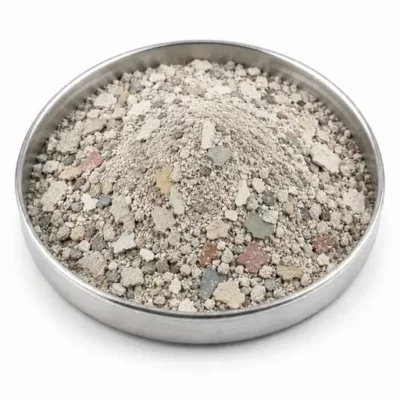
Recovered paint powders and recycled solids
Recovered paint powders and recycled solids vary in size, composition, moisture, and contamination. These differences affect feeding, dispersion, and batch consistency.
Quick comparison
Material route, common risk, first measurement
The same symptom points to different mechanisms depending on the material class, formulation, and process step. This is the fast bridge between pigment and paint behavior and measurement route.
Pigment and paint material routes, the handling or processing risk each one carries most often, and the measurement worth running first.
| Material route | Common handling or processing risk | Useful first measurement |
|---|---|---|
| Organic pigment powders and colorants | Cohesion, dust release, difficult wetting, and agglomeration | Particle size, bulk density, flowability, and wetting assessment |
| Inorganic pigments and oxide powders | High density, abrasion, settling, and dosing variation | Particle size, density, morphology, and settling assessment |
| Titanium dioxide and white pigment grades | Dust, agglomeration, poor wetting, and inconsistent hiding | Particle size, surface condition, wetting, and dispersion trials |
| Carbon black and dark pigment powders | Low density, dustiness, static charging, and poor dispersion | Bulk density, dustiness, electrostatics, and dispersion assessment |
| Effect pigments and metallic flake grades | Separation, orientation change, flake damage, and appearance variation | Particle shape, aspect ratio, size, and controlled shear trials |
| Extenders and functional mineral fillers | Compaction, abrasion, settling, and rheology variation | Particle size, moisture, density, and flowability |
| Resin powders and solid binder systems | Caking, softening, static charging, and feeding instability | Thermal response, particle size, bulk density, and flow testing |
| Wetting agents and dispersant additives | Addition errors, compatibility problems, foaming, and unstable dispersion | Viscosity, dosage response, compatibility, and wetting trials |
| Dry color blends and pigment preparations | Separation, dosing variation, dust, and inconsistent shade | Component size, density, flow, and segregation comparison |
| Waterborne concentrates and pigment slurries | Settling, thickening, foaming, and agglomerate growth | Viscosity, solids loading, particle size, and stability testing |
| Solventborne pastes and liquid colorants | Settling, skinning, viscosity drift, and transfer instability | Viscosity, solvent balance, particle size, and storage trials |
| Recovered paint powders and recycled solids | Variable composition, contamination, moisture, and reuse inconsistency | Particle size, moisture, composition, and contamination checks |
One risk per row is the one most often reported, not the only one that occurs. Use the selector above to work a specific combination through to a route.
Recurring problems
Start from the behavior you can see
These eight cover what actually gets reported in pigment and paint plants. Two of them, settling and agglomeration, replace segregation and breakage, because this industry is half liquid and those are the behaviors people report. Each one runs back to the mechanisms worth separating and forward to the measurement that confirms which one is governing.







Also covered: bridging & arching, adhesion, segregation, attrition. All symptoms
Measurement routes
The test that answers your question
Pigment and paint behavior rarely resolves to one number. Particle size, surface treatment, agglomeration, moisture, cohesion, density, viscosity, wetting behavior, electrostatic behavior and dustiness can all sit behind the same visible symptom. Pick the method by the question, not by the symptom.
Process routes
Where the behavior actually shows up
The same pigment or paint material behaves differently depending on where it sits in the process. Storage, transfer, dosing, wetting, dispersion, milling, letdown, filtration, filling and recovery each expose a different property and a different failure mode.
Go deeper
Guides and articles for pigment and paint behavior
Longer reads that work through the mechanisms behind these routes, from the visible process problem to material properties, measurement choice and interpretation.



FAQ
Pigment and paint material questions
Need the measurement, not just the guidance? PowderTechnology.info works closely with Delft Solids Solutions,
a contract research organization specializing in the physical behavior of powders and granules. DSS provides
contract testing and characterization, with its laboratory working in accordance with ISO 17025.
Contact Delft Solids Solutions.