
Table of contents

1. Why Sampling Matters
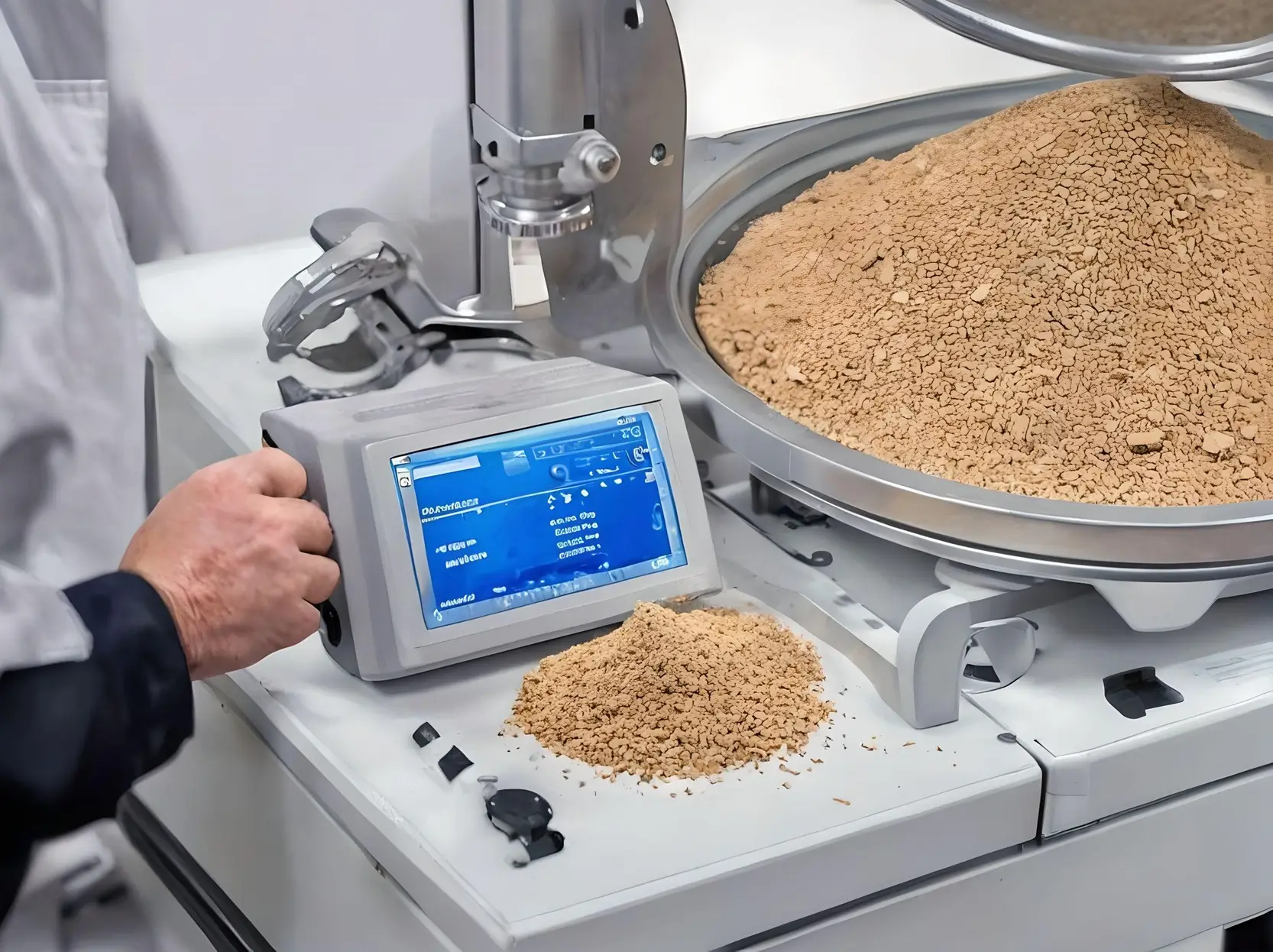
Powders and bulk solids do not behave like liquids. They segregate, cake, take up moisture, and age. That is why you must take a sample that truly represents the bulk. Process control, QA, and engineering all depend on it. If the sample is biased, every test that follows becomes doubtful, whether it is particle size, moisture, flow function, or chemistry.
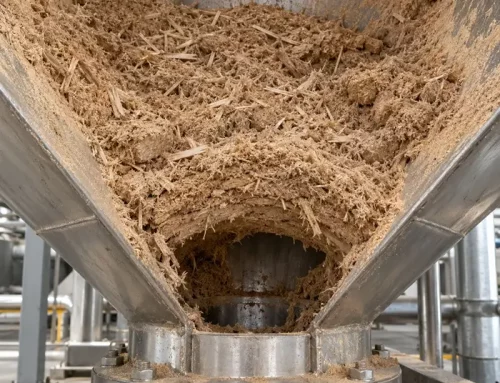
Engineers test the worst-case flowability to size outlets and choose hoppers. That only works when the sample is the real worst case. If it is not, the design can be too small, and the bin can arch or rathole. QA works the same way. Labs use samples to confirm that a blend meets the target. A scoop from the top of a bag will often hold mostly fines. That result looks good but is false. A scoop from the bottom can hold too many coarse particles. That result looks bad but is also false. Bad sampling wastes product, creates failed batches, and can even create unsafe operation when cohesive powders lock up. So sampling is a planned, controlled step, never an afterthought.
2. What Makes a Sample Representative?
A sample is representative when every particle in the lot has an equal chance to end up in it. To get there, you must understand the material and the process. Four factors control this for powders.
Sampling location and timing. Where and when you sample matters. Powders segregate during conveying, storage, and discharge. Sample while the material flows, for example during steady discharge, so the internal mixing cuts down segregation. Sample from a static mass only when you take several increments at different depths and positions.
Sampling technique. The way you collect the sample must cut the whole stream. Grab samples, top scoops, or a handful from a drum will bias the result to fines or to coarse material. Use cross-stream cutters or automatic samplers that travel through the full stream. If you must sample by hand, take several small increments and combine them.
Sample preparation and reduction. After collection, mix and divide the sample without letting it segregate again. Use a riffle splitter or rotary divider so each portion stays representative. Rough mixing, dividing with a scoop, or leaving the sample open to air can ruin an otherwise good sample.
Material changes. Powders change with time. They pick up moisture, oxidise, or vary by supplier. Treat every new batch or supplier as new material. Sample it and test it again.
3. Types of Samples and Their Uses
Not all sampling objectives are the same. From a flow‑testing perspective, a sample might represent the best (optimal) flowing material, the typical material, a composite over time, or the worst case. For conservative design, the worst‑flowing material should be tested. In quality control, the goal is to verify that a batch meets specification. There, samples from various stages (raw ingredients, blended mixture, discharge stream, finished product) may be required.
A composite sample combines multiple increments to reduce variability, but it also smooths out extremes; while useful, composite samples may mask pockets of non‑conforming material. When investigating segregation, separate samples from different locations are needed to understand the stratification. Finally, for new or unfamiliar powders, additional samples may be needed to characterise worst‑case scenarios.
4. The Physics Behind Sampling Errors
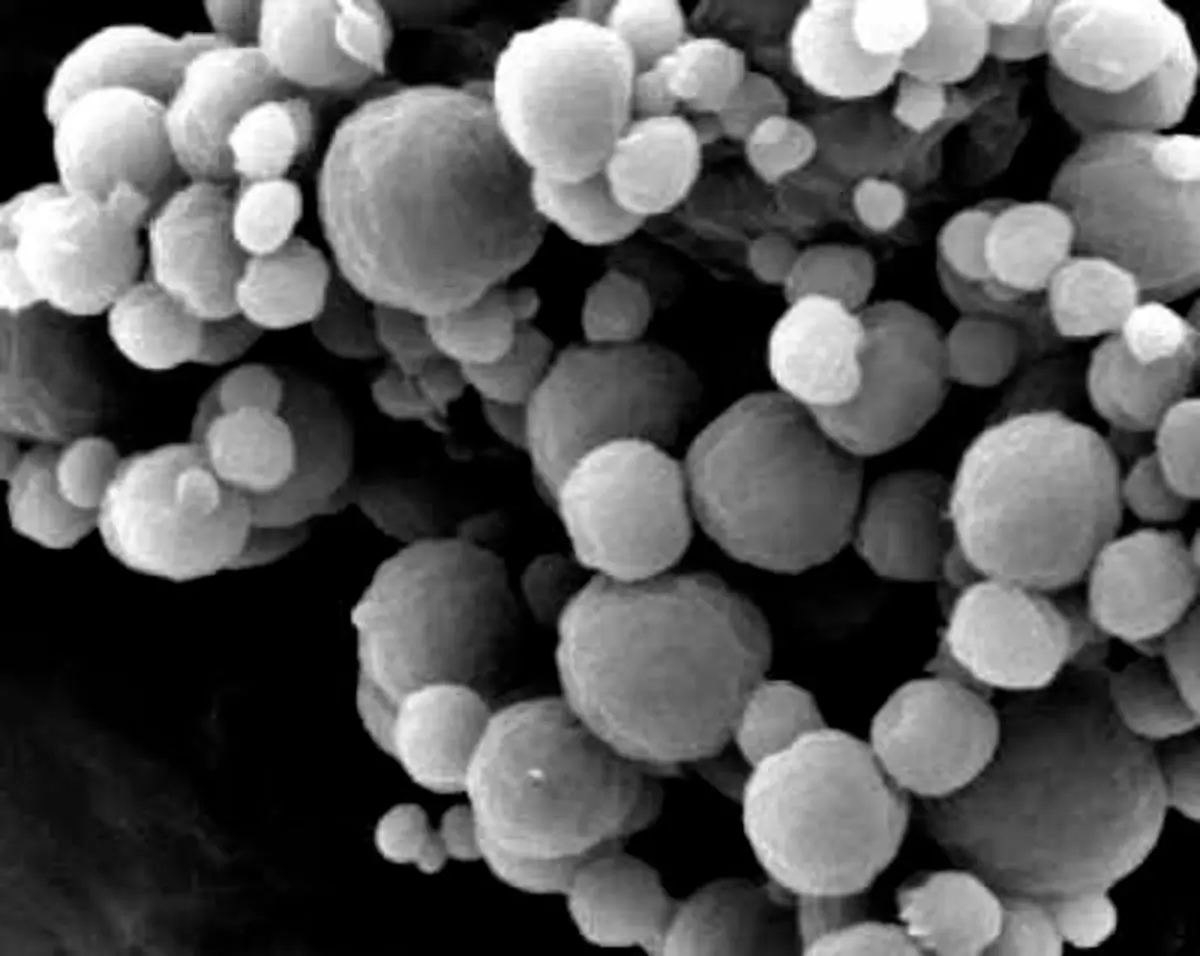
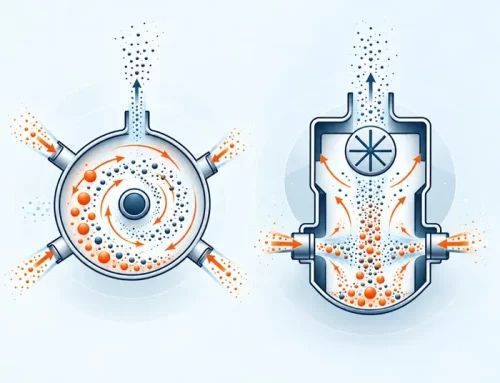
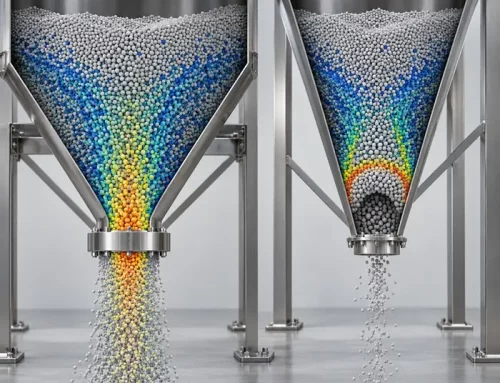
Sampling errors arise primarily from segregation and cohesion. Segregation occurs when particles differ in size, density, or shape. During handling, coarse particles often migrate to the periphery while fines concentrate in the centre (sifting segregation). In pneumatic conveying or free‑fall, fines may disperse and accumulate downstream, while heavier particles remain behind. When a sample is taken only from the centre or the top of a pile, it may contain a disproportionate amount of fines. Similarly, cohesive powders may clump together or adhere to sampling equipment, causing some fractions to be missed entirely.
Bulk density variations also affect sampling. Under consolidation, powders compress unevenly, so sampling from a compressed region may yield different particle sizes than sampling from an unconsolidated zone. Moisture gradients across a bin—common in unconditioned warehouses—cause powders near the walls to adsorb moisture and become more cohesive, while interior material remains dry. Without accounting for these variations, samples will not reflect the average.
Finally, sampling itself can disturb the powder. Inserting a sample thief (trier) into a stationary mass can compact and disturb layers. If the material flows poorly into the trier cavities or adheres to the walls, the sample may under‑represent the coarse fraction. Similarly, scooping from a container shakes the powder and can mix layers, changing the distribution.
5. Golden Rules of Sampling
Powder technology researcher Terence Allen summarised sampling fundamentals into two golden rules:
-
Sample while the material is in motion. This increases the likelihood that the sample represents the bulk because movement helps mix the powder. Sampling static material almost always introduces bias; if static sampling is unavoidable, collect multiple increments from different locations.
-
Sample the entire cross‑section of the stream during a short interval. A cross‑stream sampler that sweeps across the entire flow path captures particles from all parts of the stream. Grab samples that capture only part of the stream (e.g., dipping a scoop into one side) may miss regions where segregation has occurred.
These rules are ideal, but practical constraints sometimes require compromise. Many processes lack a convenient sampling point, or the powder flow may be enclosed. In such cases, a well‑designed manual sampling plan that includes multiple increments and proper mixing can still produce representative samples.
6. Sampling Techniques and Devices
6.1 Cross‑Stream Cutters
A cross‑stream cutter traverses the full flow path of a falling stream or conveyor belt, capturing a slice of material across its entire width. The cutter can be manual (operated by an operator pulling a handle) or automatic (motorised and timed). The cutter’s opening must be wide enough to collect a sufficient volume without overflowing, and the cutter must move fast enough to capture a short time slice of the flow, minimising segregation. Cross‑stream cutters satisfy both golden rules because they sample moving material and take a cross‑section. They are commonly used in mining, agricultural loading spouts, and some continuous chemical processes.
6.2 Sample Thieves (Triers)
A sample thief (or trier) is a cylinder with cavities that can be opened and closed by twisting. It is inserted into a bulk container or blender to collect material at various depths. According to the ADPI sampling standard, a trier should be constructed of cleanable materials such as stainless steel and designed to avoid contamination. To use it properly, the operator plunges the thief at least 6 inches (about 150 mm) into the centre of the material, opens the cavities to allow powder to fill, closes them, and withdraws the thief. Multiple insertions may be needed. Although thief sampling violates the first golden rule (material is at rest), it remains an accepted technique for sampling in drums, bags, and blenders when continuous sampling is not possible. However, results can vary based on insertion angle, penetration rate, and operator technique. Operators should record any irregularities (e.g., static cling or agglomeration) and exercise consistent technique.
6.3 Core Samplers
For silos and large bags, core samplers are long tubes that collect material at multiple heights. The sampler is pushed to the bottom of the container, and sliding ports open to collect material at predetermined depths; the ports are then closed and the sampler withdrawn. Multi‑level core sampling provides a vertical profile of the bulk, revealing segregation. This is particularly useful for materials that stratify by density or size during filling. After collection, the increments are combined and mixed or analysed separately depending on the purpose.
6.4 Automatic In‑Process Samplers
In continuous processes, automatic samplers installed in chutes or pipelines withdraw a fraction of the stream at regular intervals. Examples include diverter samplers (which divert a portion of the flow to a sample container), rotary cutters (a rotating tube with a slot that collects material periodically), and jet samplers (which use compressed air to draw material into a sampling chamber). Automatic samplers provide consistent, repeatable sampling and are essential for online quality monitoring. However, they require maintenance to ensure that the sampling device remains clean and that mechanical parts do not introduce contamination.
6.5 Sample Splitters and Rifflers
After collection, the sample often exceeds the quantity needed for a test. Reducing the sample size while preserving representativeness is called sample splitting. A riffler (sample splitter) has several alternating chutes; the bulk sample is poured evenly across the top, and the riffler divides the material into two equal fractions (typically 8–16 chutes). One fraction is retained and the other discarded (or further reduced). Repeated riffling creates a smaller sample without bias. Rotary splitters rotate a ring of compartments under a feed stream to achieve the same goal. Using a riffler helps prevent segregation during sample reduction.
6.6 Spin Riffling and Homogenisation
Spin riffling (also known as rotary dividing) is particularly effective for metal powders and fine materials used in additive manufacturing. The sample is fed onto a rotating disk that distributes material evenly into multiple containers. Studies report that spin riffling yields the lowest standard deviation among sampling methods. For powders that are cohesive or prone to static, gentle homogenisation (tumbling or rolling) may precede riffling to break up agglomerates.
7. Sampling Procedures in Different Settings
7.1 Sampling from Flowing Streams
In an ideal setting, you sample from a moving stream at a well‑defined point (e.g., the discharge of a conveyor, an outlet spout, or a chute). A cross‑stream sampler or manual scoop can be used. Ensure that the sampling device captures the full width of the stream and moves quickly through it. For manual sampling, move the scoop across the stream at a constant speed, taking care not to oversample the leading or trailing edge.
Collect several increments at different times during the discharge and combine them to form a composite. The frequency should reflect the variability of the process and the risk. For example, if the batch is homogeneous and the process stable, sampling at the beginning and end of the discharge may suffice. For processes prone to segregation (e.g., mixing of components with different particle sizes), sample at regular intervals. Maintain a log of sample times and conditions.
7.2 Sampling from Static Containers
When it is impossible to sample from a moving stream, a plan must minimise bias. For bags, drums or boxes, insert a trier at several points: near the top, middle and bottom, and at different radial positions. The ADPI SOP suggests plunging at least 6 inches from any surface. Mix the increments in a clean bowl or pail for at least one minute to homogenise them. For large silos, use core sampling or open a side port at various heights to collect material. In extreme cases, build a small vacuum sampling probe to draw material through a pipe inserted into the bulk.
7.3 Sampling Blenders and Mixers
Sampling inside a blender can be dangerous if there are moving parts or poor access. Plan the sampling procedure during a safe stop or incorporate sampling ports into the blender design. Stratified (nested) sampling, collecting increments from multiple points (center and periphery) at different depths, gives a better picture of blend uniformity. Sampling during discharge is also important because segregation can occur as material exits the blender. For continuous blenders, install an automatic sampler at the outlet.
7.4 Sampling for Additive Manufacturing Powders
Metal powders used in powder bed fusion require high sampling precision. Standards such as ISO/ASTM 52907 and ASTM F3049 describe procedures for sampling at different points in the process chain—storage tank, dosing system, powder bed, sieving system, and storage container. Homogenisation and multiple sampling from different locations within the bulk are recommended to obtain representative samples. Spin riffling is favoured due to its low variance. The sampling program should consider the powder’s history: fresh powder, recycled powder, and reconditioned powder may have different properties, and the standards may require 100 % sampling when reusing powder.
7.5 Sampling Hygroscopic or Degradable Powders
Hygroscopic powders absorb moisture rapidly. Sampling must minimise exposure to humid air. Use gloves and quickly reseal containers. For degradable powders or those prone to oxidation, test the sample immediately after collection or store it in sealed, inert containers. If long transport times are expected, use moisture barriers and temperature control.
8. Sample Size, Frequency and Documentation
8.1 Determining Sample Size
The amount of material required depends on the tests to be performed and the variability of the material. The ADPI SOP recommends that for every 4 000 lb (about 1 800 kg) of powder, at least one sample should be taken. Each individual sample should weigh at least 100 g for dry powders. If multiple tests are needed (moisture, flowability, particle size), larger samples may be necessary. Always collect more material than the minimum to allow for re‑testing or verification.
8.2 Sampling Frequency
Sampling frequency depends on risk, process stability and regulatory requirements. For stable processes, periodic sampling (e.g., one composite per shift) may suffice. For high‑risk materials (e.g., pharmaceuticals), more frequent sampling ensures compliance. In additive manufacturing, powders are often reconditioned, and standards may require sampling each batch after every build cycle. When changing material suppliers, always sample the first few batches of new material.
8.3 Labelling and Documentation
Each sample must be properly labelled: date, time, location, product, batch, sampler name, and any remarks about sampling conditions. Logs should note temperature and humidity because these affect flow properties. Use sample identifiers that link back to production records. Without proper documentation, test results cannot be traced, and corrective actions become speculative.
8.4 Handling and Shipping
To avoid contamination or property changes during transport, follow these precautions:
-
Use clean, sterile containers appropriate for the materiak.
-
Seal containers immediately after sampling, mixing contents if necessary.
-
Protect containers from damage during transport (e.g., by using cushioning materials).
-
Avoid exposing samples to humid, damp, or dusty environments
-
Wear gloves and maintain cleanliness to prevent cross‑contamination.
If the sample is for microbiological analysis or human consumption, use sterile containers and avoid any contamination.
9. Sample Preparation and Reduction
Once samples are collected, proper preparation ensures that each test is representative:
-
Mixing: Combine all increments in a clean, dry container large enough to permit mixing. Use a scoop or stirrer to mix thoroughly for at least one minute. For fine powders, gentle inversion or rolling may be more effective.
-
Splitting: If the mixed sample is larger than required, reduce it using a riffle splitter or rotary divider. Pour the mixed sample evenly into the splitter to avoid segregation.
-
Moisture Control: Avoid exposing the sample to ambient air. Hygroscopic powders absorb moisture quickly and may lose or gain water during splitting. Use dehumidified rooms or sealed glove boxes if necessary.
-
Label and Store: After reduction, place the test portions into labelled containers and seal them. Retain the remainder for retesting or as a “retain sample” in case of disputes.
-
Special Preparations: Some tests require further preparation. For particle size analysis, powders must be dispersed in a medium; follow standards such as ISO 14887 for dispersion. For chemical analysis, powders may need to be digested or mounted; ASTM E3 guides metallographic preparation. Always follow relevant standards to ensure accuracy.
10. Common Pitfalls and How to Avoid Them
Even experienced operators make sampling mistakes. Recognising common pitfalls helps build robust procedures:
-
Sampling one location: Taking a single grab from the top of a bag or silo does not account for segregation. Always take multiple increments from different positions and depths.
-
Disturbing the bed: Inserting a trier too quickly or with twisting motions can disturb layers, blending material and invalidating stratified sampling. Insert slowly and smoothly.
-
Contamination: Using dirty utensils or containers introduces foreign particles. Always clean or use disposable equipment.
-
Using the wrong utensils: Spoons and scoops may be acceptable for large granules but unsuitable for fine powders, which may stick. Choose utensils appropriate for the material.
-
Improper mixing: Failing to homogenise increments before testing leads to poor reproducibility. Always mix thoroughly.
-
Ignoring environmental conditions: Sampling in humid or dusty environments can alter the sample. Sample in clean, dry rooms and avoid open doors or fans that blow dust.
-
Neglecting sample changes: Powders can change during storage; a sample taken at the time of delivery may not represent the material weeks later. Re‑sample if storage time is long.
-
Undersampling: Taking too few increments or too small a quantity increases sampling error. Use established guidelines for the minimum number and size of samples.
-
Overlooking new materials: When suppliers change or formulations adjust, always test a sample; do not assume the new material behaves the same.
11. Industry‑Specific Sampling Considerations
Different industries have unique requirements and standards for sampling.
11.1 Food and Dairy Powders
Food powders are often hygroscopic and sensitive to contamination. The ADPI Analytical Method #001 provides a standard procedure for sampling dairy powders, emphasising cleanliness, avoiding moisture, and mixing composite samples. Food manufacturing may also require sampling under hygienic conditions, using sterile containers, gloves, and hair restraints. Regulatory agencies (e.g., FDA, USDA) have specific sampling plans for microbiological testing and allergen control.
11.2 Pharmaceutical Powders
Pharmaceutical manufacturing demands strict compliance with Good Manufacturing Practices (GMP). Sampling is subject to guidelines such as USP <1097> for bulk powder sampling. Samples must be traceable to production batches, and the sampling plan should ensure that both active and excipient concentrations meet specifications. Statistical sampling plans (e.g., stratified sampling) are used to decide the number and location of samples. Sampling devices and containers must not shed particles or adsorb active ingredients.
11.3 Minerals and Mining
In mining and mineral processing, sampling is often governed by standards such as ASTM D4330 or ISO 10218. Large tonnages and variable ore composition require cross‑stream cutters and automatic samplers on conveyors. Sampling frequency may be high because ore grades can vary significantly across a seam. Coarse particles and high densities require robust sampling equipment and chutes.
11.4 Additive Manufacturing
Additive manufacturing (AM) powders require careful sampling to ensure consistent particle size distribution, flowability, and chemistry. Standards such as ISO/ASTM 52907 and ASTM B215 define sampling protocols for metal powders. Homogenisation and spin riffling are recommended. Because powders are often recycled, each cycle’s feedstock may differ; standards call for sampling of reconditioned powders at 100 % frequency.
11.5 Construction Materials
Cement and aggregates are sampled to verify composition and fineness. Sampling must account for moisture content and segregation during transport. Rotary cutters and sampling from belt conveyors are common. Because cement can set with moisture, avoid sampling during rain or high humidity.
12. Safety and Hygiene Considerations
Sampling is not only about accuracy but also about safety, for both the operator and the sample. The ADPI SOP emphasises personal safety precautions: powders may be irritants, so wear appropriate protective gear, including gloves and safety glasses. Use clean, dry environments; avoid sampling near running machinery or moving vehicles. When using knives or scissors to open bags, handle them carefully to avoid cuts. Lift heavy containers properly.
Powders can be explosive or flammable. Avoid sampling in areas with ignition sources and use antistatic equipment if sampling combustible powders. Ground and bond sampling devices to prevent electrostatic discharge.
For biological or pharmaceutical powders, maintain sterile conditions. Use disposable, sterile sampling devices; sanitise reusable tools; and avoid cross‑contamination by changing gloves and utensils between batches.
13. Training and Procedures
A robust sampling program relies on trained personnel and documented procedures. Sampling should not be relegated to inexperienced staff or done casually. Operators need to understand the reasons behind sampling, recognise potential biases, and follow standard operating procedures (SOPs). Training should include:
-
Understanding powder behaviour and segregation.
-
Using sampling equipment properly (triers, cross‑stream cutters, splitters).
-
Mixing and splitting techniques.
-
Recording and labelling samples.
-
Safety and hygiene practices.
-
Recognising unusual conditions (e.g., clumps, moisture pockets, static cling).
Documented procedures ensure consistency, traceability, and compliance. SOPs should include diagrams of sampling locations, step‑by‑step instructions, and checklists. Regular audits should verify that sampling is done correctly and that procedures are updated when processes or materials change.
14. Integrating Sampling into Quality Systems
Sampling is part of the broader quality management system. Effective integration includes:
-
Sampling plans that define when, where, and how to sample for each product or process. Plans should be risk‑based and aligned with process control points.
-
Data management systems to record sample results, compare them with specifications, and trigger corrective actions when non‑conformance is detected.
-
Continuous improvement: If sampling reveals consistent deviations, adjust process settings, blending times, or material handling to reduce variability.
-
Supplier management: Sampling incoming raw materials ensures that suppliers meet quality requirements. Supplier scorecards can include sampling performance.
-
Regulatory compliance: Document sampling procedures and results to demonstrate compliance with standards (e.g., ISO 9001, cGMP, ATEX). Retain samples for specified durations to support audits or investigations.
15. Conclusion
Representative powder sampling is essential for accurate testing, reliable design, and consistent product quality. Sampling errors, often invisible, can mislead engineers and quality professionals, leading to costly design mistakes and product failures. The golden rules, sample when material is in motion and capture the entire stream cross‑section—remain the foundation. Equally important are proper sample preparation, reduction, and documentation. Recognise that sampling is a process, not a single act: location, technique, preparation, environmental conditions, and changes in material all influence sample quality. Adhere to established standards (ADPI, ISO/ASTM, USP), use appropriate sampling devices, and maintain cleanliness and safety.
By embedding well‑designed sampling procedures into your operations, you ensure that lab tests and design data truly represent the bulk material. This leads to better process control, fewer surprises when materials change, and higher confidence in decisions based on data. Remember: the effort invested in good sampling is rewarded with accurate information and reliable products.
Download PDF: Representative Powder Sampling SOP
Get the operator-ready version, including SOP, sampling points sketch, sample reduction flow, and printable log sheet. Perfect for shop floor, QA, and lab alignment. Download the PDF here.