
SUBJECT
Analytical Techniques and Methods
Publications on analytical methods used to characterize powders, particles, surfaces, structure, composition, and material behavior.
PUBLICATIONS
Browse publications
Explore PTI articles, Insights, Know How, and technical publications related to this subject.
 6 November 2026
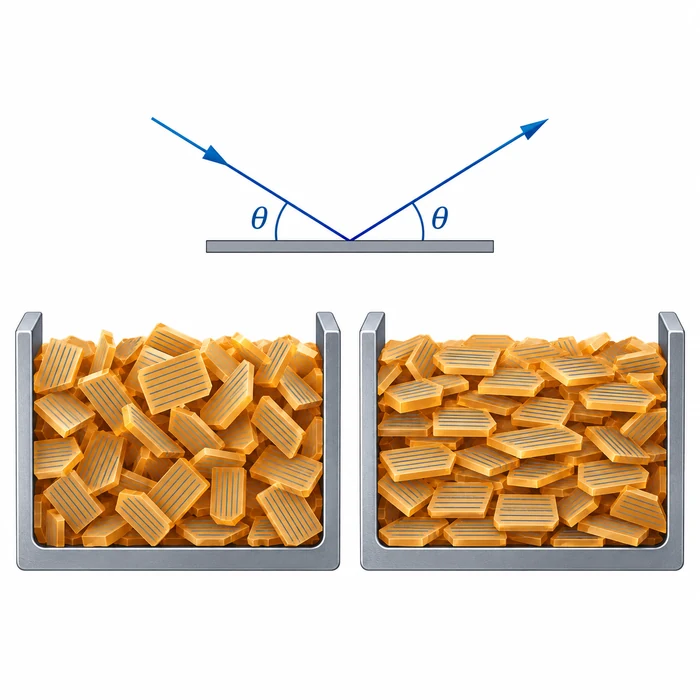
Why Can XRD Peak Ratios Change When the Same Powder Is Repacked?
Changed XRD peak ratios after repacking can reflect crystallite alignment or poor particle statistics. Compare independent mounts before interpreting phase conversion.
 5 November 2026
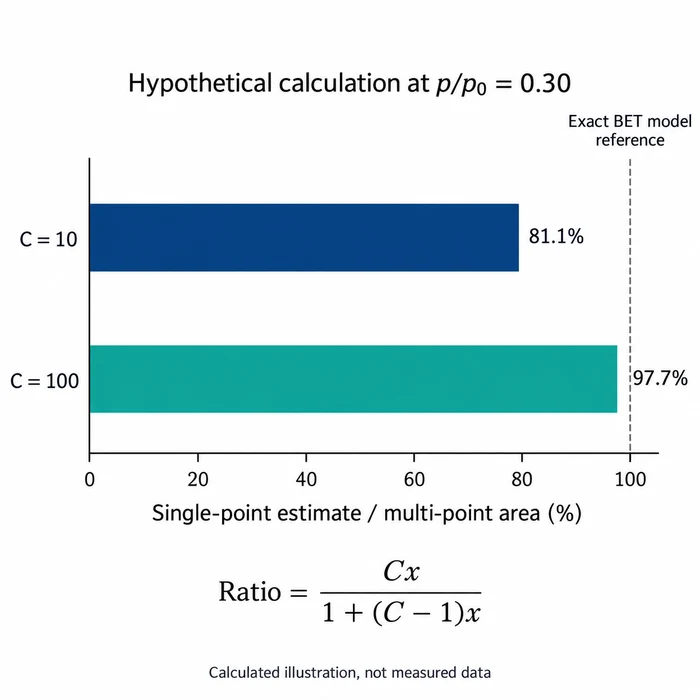
Why Can Single-Point and Multi-Point BET Surface Area Disagree?
The same idealized BET isotherm can produce different single-point and multi-point surface areas because the single-point shortcut neglects finite-C effects. A controlled comparison shows what the resulting gap can and cannot explain.
 4 November 2026
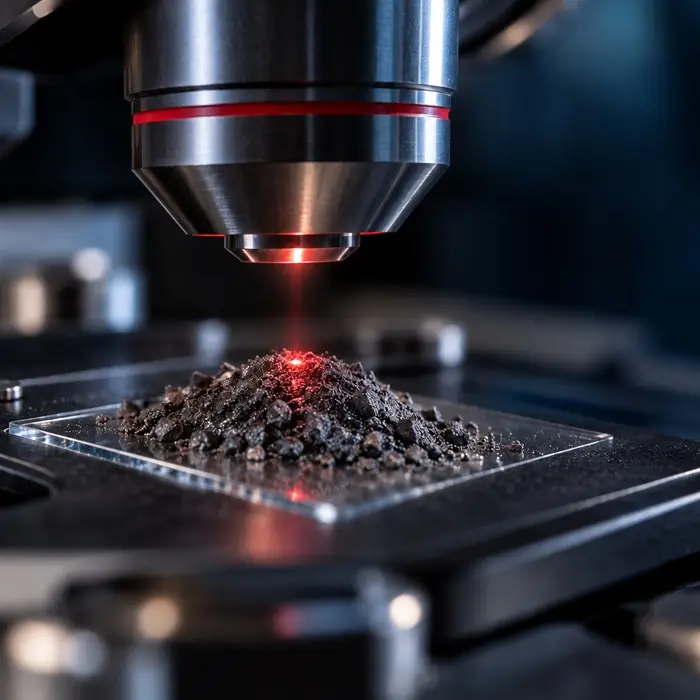
Why Can Raman Laser Power Change a Powder’s Spectrum?
Higher laser power strengthens Raman signals but can also heat or damage powder [...]
 3 November 2026
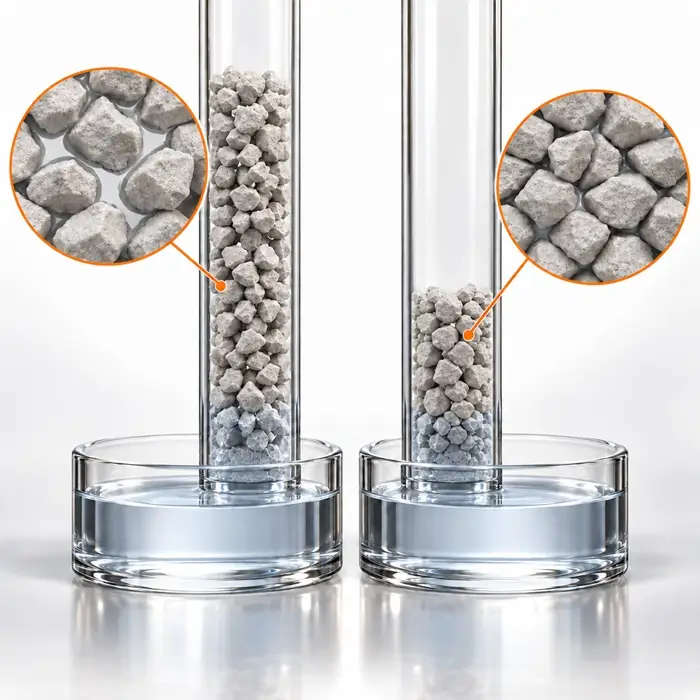
Why Does Powder Packing Change Measured Contact Angle?
Powder packing can change a Washburn-derived contact angle even when particle surface [...]
 2 November 2026
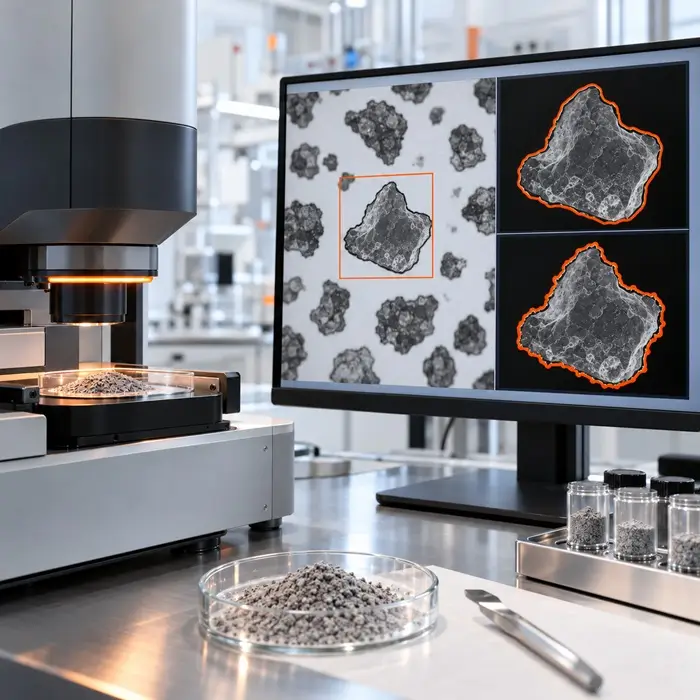
Why Do Circularity Results Differ for the Same Powder?
Different circularity results do not necessarily indicate different particle shapes. Thresholding, perimeter [...]
 29 October 2026
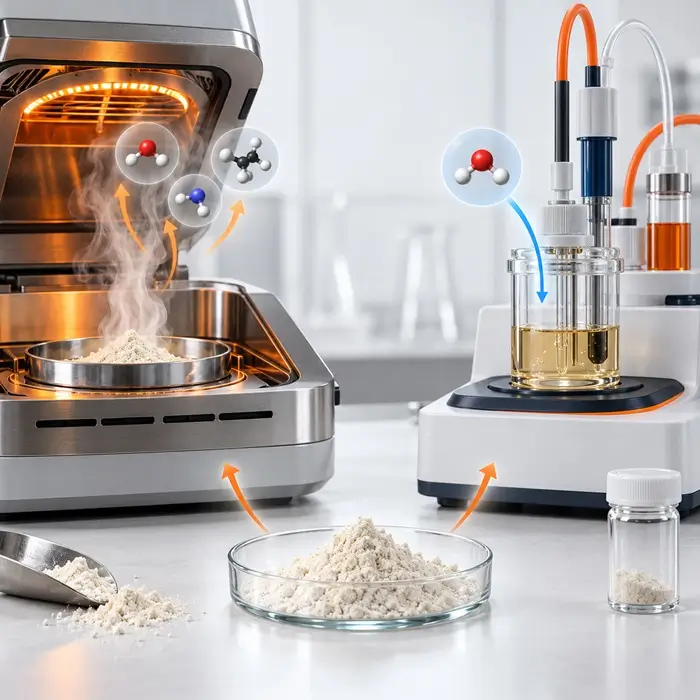
Why Can Loss on Drying Read Higher Than Karl Fischer?
Loss on drying measures mass lost under specified conditions; Karl Fischer (KF) [...]
 26 October 2026
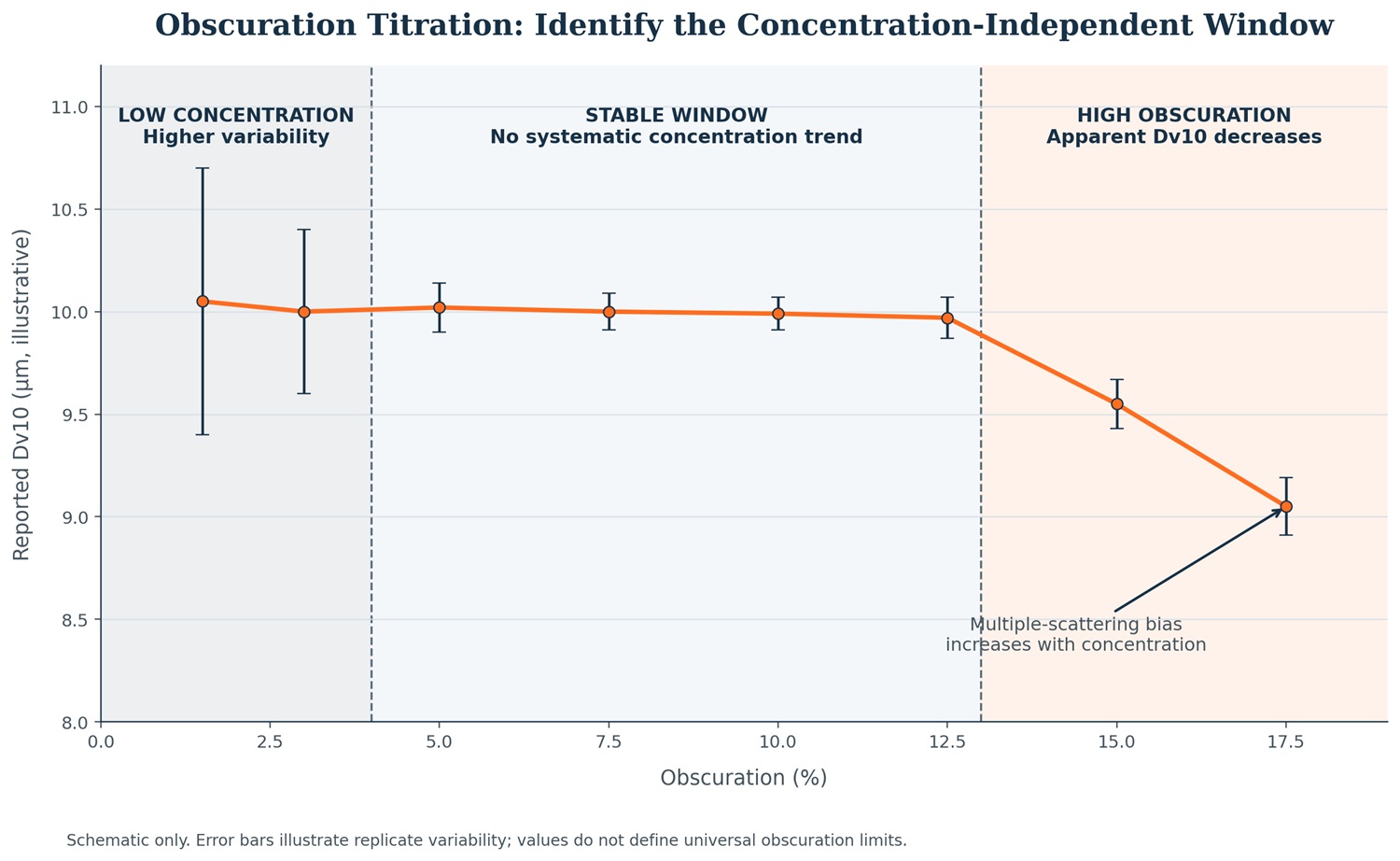
Why Can Higher Obscuration Create False Fines?
A finer PSD at higher obscuration does not automatically indicate better dispersion [...]
 24 October 2026
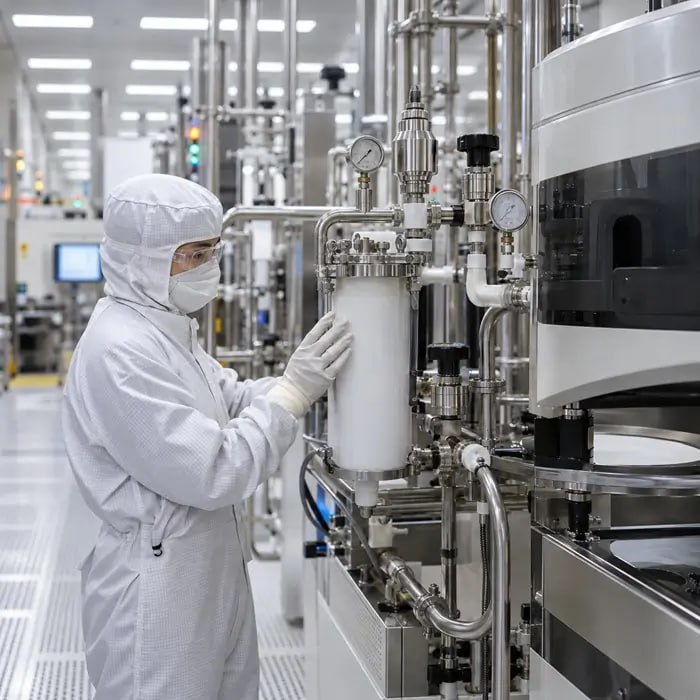
CMP Slurry Abrasive Powders: Why Trace Oversize Agglomerates, Not Median Particle Size, Drive Wafer Scratch Defects
Median particle size passes QC while wafers still scratch. Here is why a ppm-level population of 1 to 10 micron agglomerates in CMP slurry drives scratch defects, and which measurements actually catch it.
Feature Article
 23 October 2026
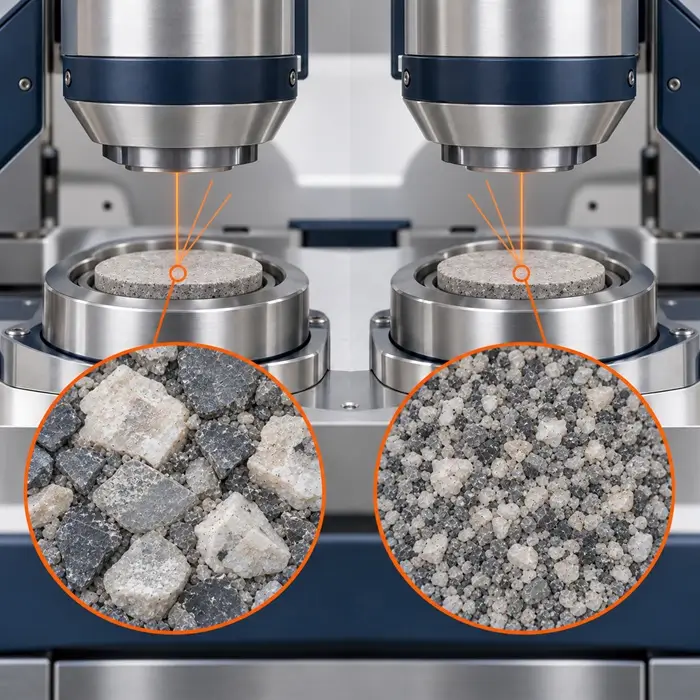
Why Can XRF Results Change With Particle Size?
A reported XRF concentration depends on the prepared specimen as well as its [...]
 22 October 2026
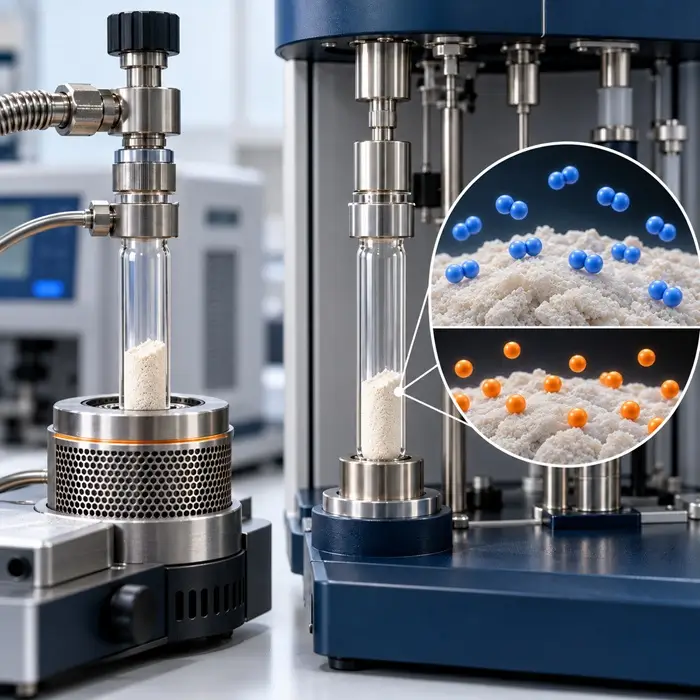
Why Do BET Results Change With Degassing and Adsorptive Gas?
A BET surface area reflects how the sample was prepared and which adsorptive [...]
 21 October 2026
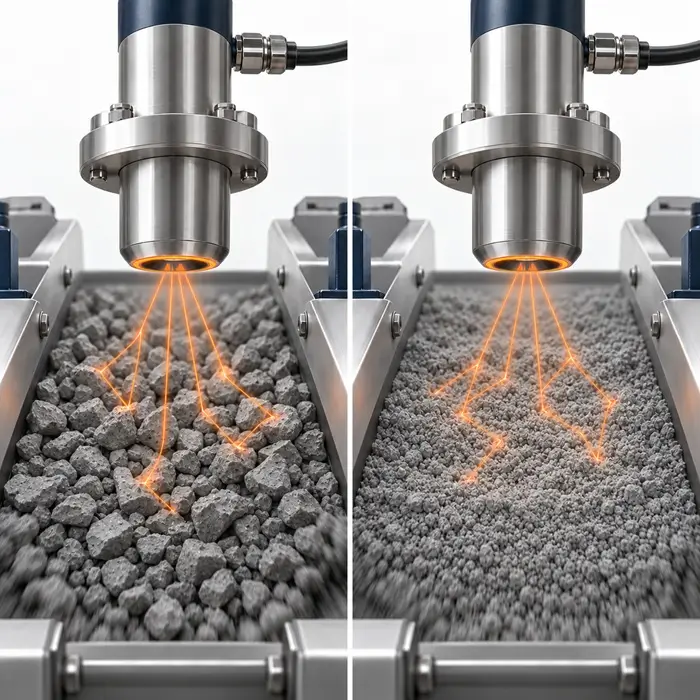
Why Does an NIR Moisture Reading Shift When Particle Size Changes?
NIR moisture predictions depend on both water absorption and light scattering. Changing [...]
 17 October 2026
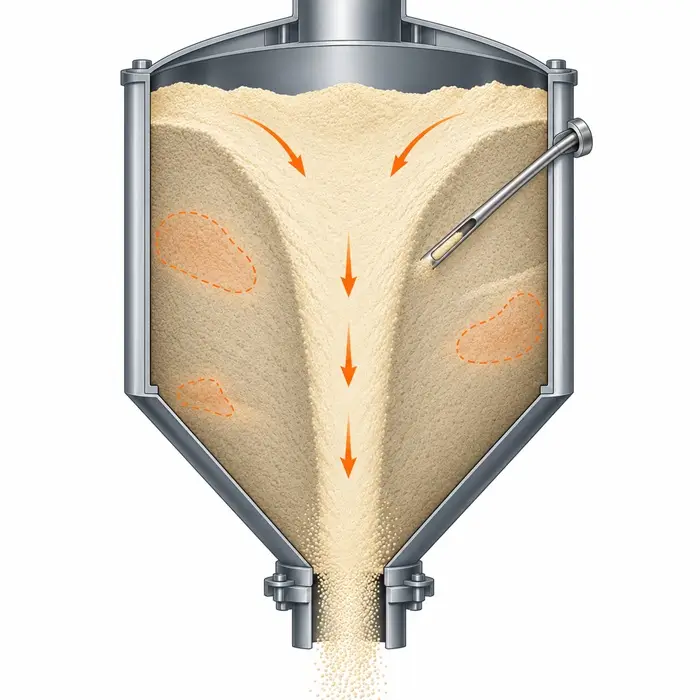
Why Can a Powder Lot Pass Sampling and Still Be Contaminated?
September 2026's moringa leaf powder recall, set against a year of Salmonella events touching powdered milk and supergreens blends, shows why bulk powder sampling plans can miss low-prevalence contamination and why low water activity slows but does not eliminate pathogen survival.
Insights