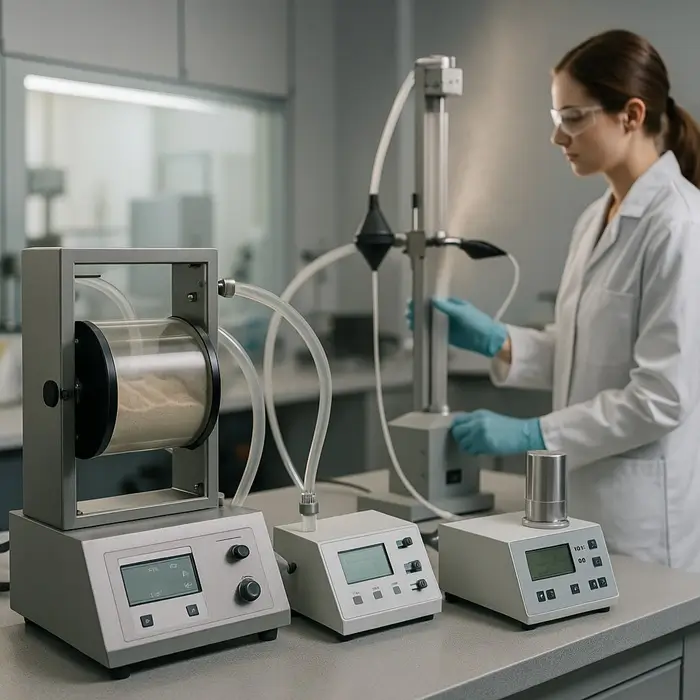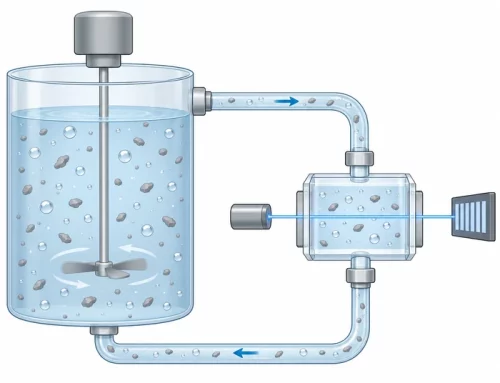
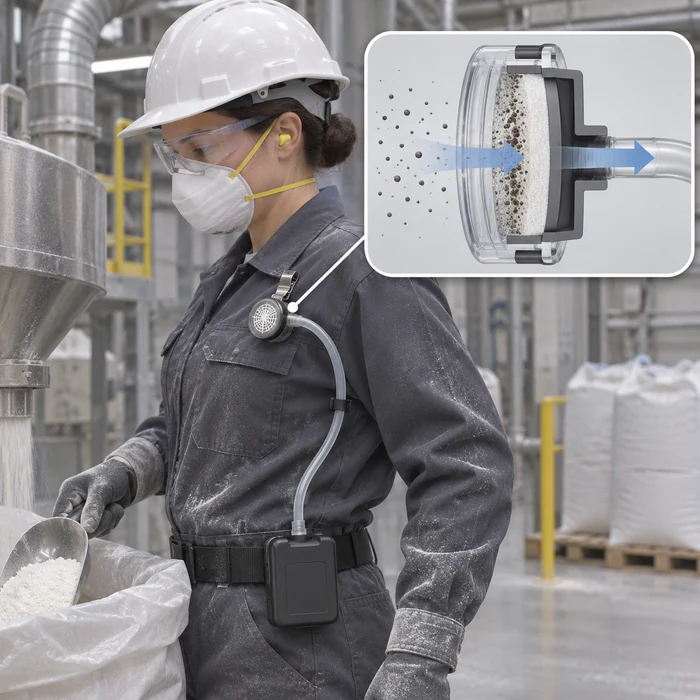
A personal sampling pump draws workplace air through a filter cassette. Filter loading can increase the resistance the pump must overcome.
A workplace dust sample comes back with a reported concentration. The pump was set to 1.50 L/min, and the start and end readings match. Did the pump draw that much air throughout the run? A drop in flow can shrink the sampled volume and bias the reported concentration low if the calculation still uses the planned volume.
Why loading matters
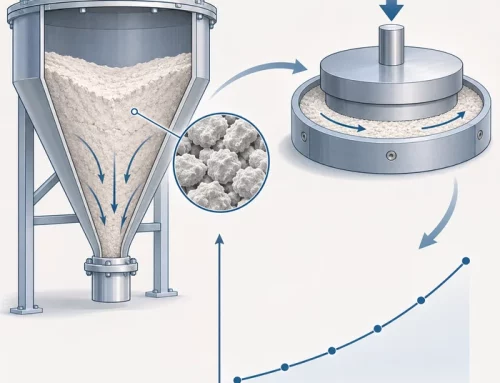
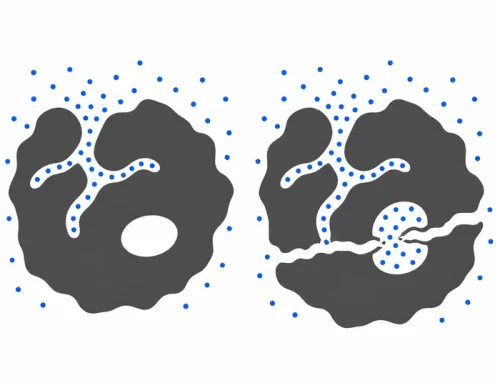
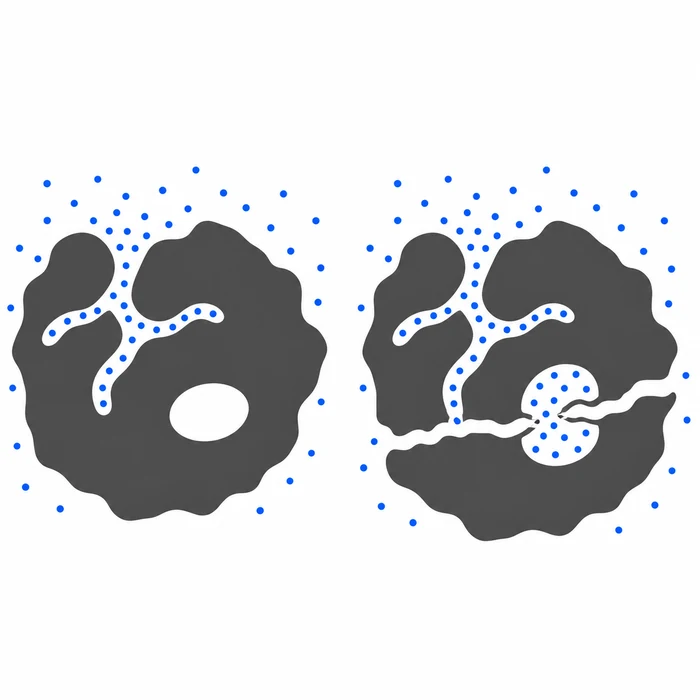
As particles accumulate on a filter, the pressure drop across it rises. A constant-flow pump compensates for the added resistance within its operating range. Once the resistance exceeds what the pump can handle, the flow may fall or the pump may register a fault. A pressure-drop reading by itself cannot tell you how much air passed through the sampler. For respirable sampling with a cyclone, a drop in flow also raises the cyclone’s cut point, making it easier for larger particles to reach the filter.
What matching start and end readings can miss
Consider two illustrative 60-minute runs. Both start and finish at 1.50 L/min. At 30 minutes, the first still reads 1.50 L/min, while the second reads 1.20 L/min. Assuming straight-line changes between readings, the first run samples 90 L and the second samples 81 L.
For the same collected mass, using 90 L instead of 81 L understates the calculated concentration by 10%.
To estimate volume from a series of flow readings, average the readings at the ends of each interval, multiply by the interval duration, and add the interval volumes. Use that estimate for reporting only when the applicable procedure permits it and the record supports it. The 1.20 L/min reading is 20% below target, four times the 5% deviation allowed by NIOSH’s general sampling guidance. Correcting the volume alone cannot establish that the sample meets the applicable method’s criteria.
Check the flow record against the method
Start with the pump’s logged flow and fault events, where available. Compare them with the pre- and post-sampling flow checks, the sampling times, and any observations about interruptions or filter loading. Review field blanks and laboratory records if you also need to explain a difference in collected mass or reported concentration.
For total dust under NIOSH Method 0500, calibrate each pump with a representative sampler in line. The method specifies 1–2 L/min and limits total filter loading to approximately 2 mg of dust. Its summary table gives a sample volume range of 7–133 L at 15 mg/m³. NIOSH Chapter SA separately advises frequent checks of the filter and pump to keep flow within ±5% of target and calls for stopping sampling at the first evidence of a problem.
To investigate loading, compare a clean filter with a representative loaded filter using the same pump, sampler configuration, target flow, and calibration setup. A flow drop with the loaded filter supports loading as a possible cause. Use the field record to judge what happened during the original run.
Accept the result when the record supports the method’s criteria. If evidence is incomplete, check whether the governing procedure permits a qualified report. If the sample is invalid or the reporting decision remains unresolved, repeat the sample under representative conditions with suitable flow monitoring.
Technical Basis / Sources
- NIOSH Method 0500. Particulates Not Otherwise Regulated, Total. Issue 2, August 15, 1994.
- NIOSH Manual of Analytical Methods, Fifth Edition. Chapter SA, General Considerations for Sampling Airborne Contaminants.
- NIOSH Method 0600. Particulates Not Otherwise Regulated, Respirable. Issue 3, January 15, 1998.