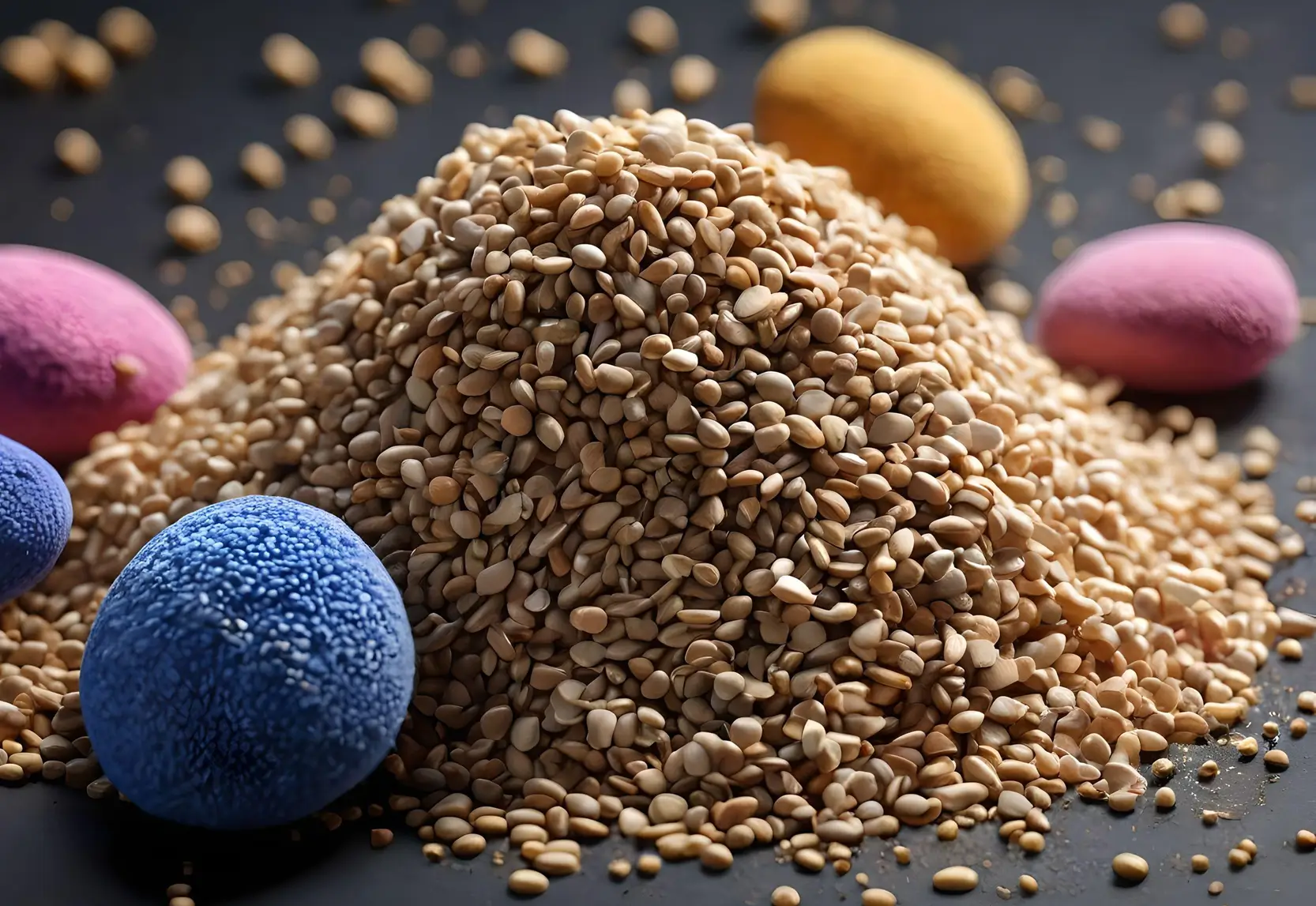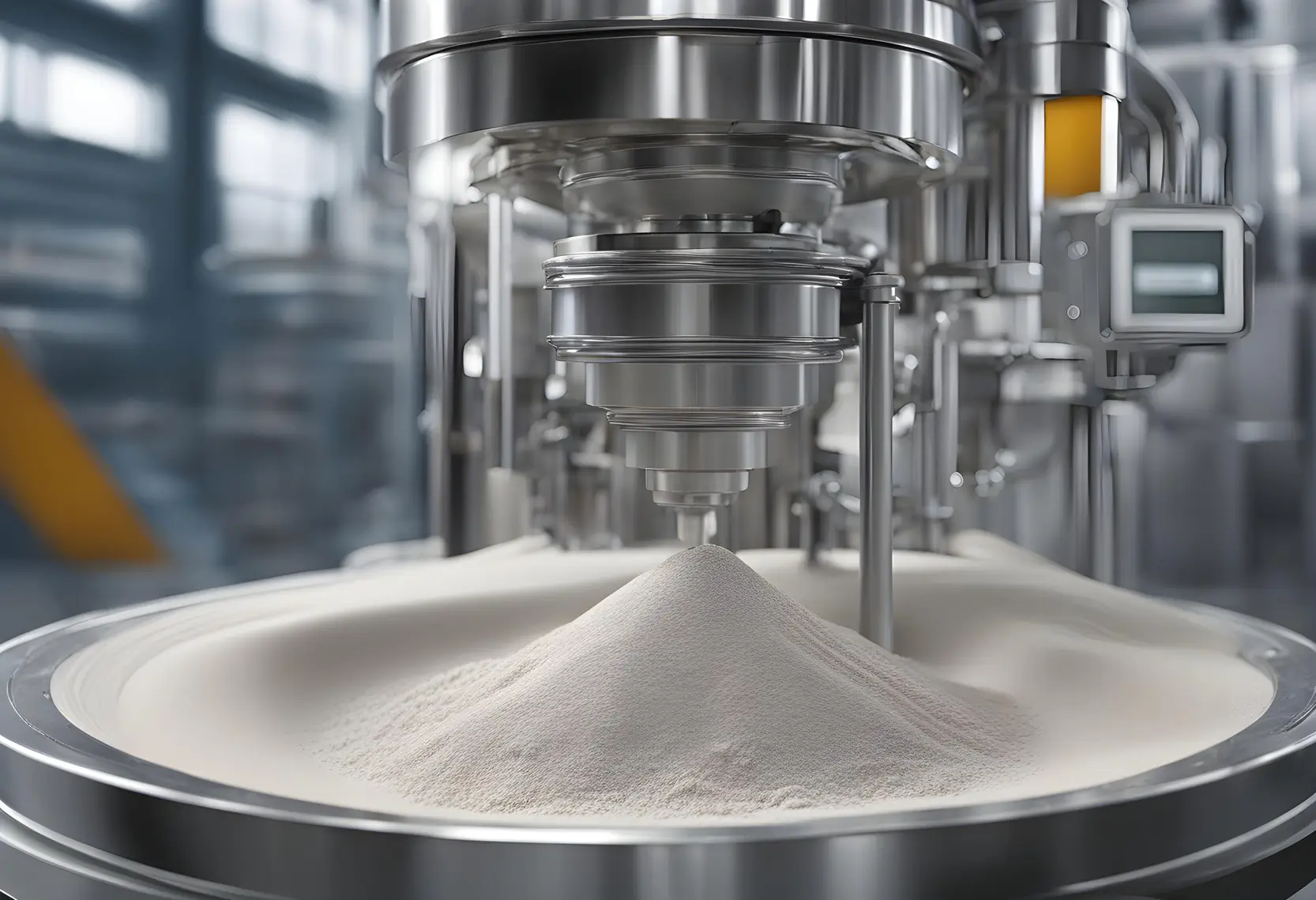


Co-Processed Excipients in Continuous Manufacturing: How Particle Engineering Changes Powder Flow and Compaction Performance

Co-processing engineers particle morphology, density, and surface structure into a single composite excipient particle. Flow function and compactibility testing show what that buys formulators on continuous direct compression lines, and where it does not.


Poorly Soluble APIs: How Surface Contact Shapes Dissolution and Bioavailability

Poorly soluble APIs now represent the majority of the pharmaceutical development pipeline. Dissolution and oral bioavailability are determined by molecular solubility, surface wetting behavior, solid-state stability, and how the formulation interacts with the GI environment from first contact onward. Amorphous dispersions, lipid systems, nanocrystals, and co-crystals each rely on different surface mechanisms to deliver their intended advantage.

Balancing Packing Density and Powder Flow in Continuous Processing

Packing density and powder flow rarely align naturally. [...]

Nano Spray Drying: Producing Submicron Powders for Biotech and Pharma

Nano spray drying creates submicron powders from fragile [...]

How Shape Influences Flow: Spherical vs. Irregular Particles

Particle shape plays a critical role in the behavior [...]

Particle engineering in Pharmaceuticals, Food, and Cosmetics

Particle engineering is an emerging field impacting multiple [...]

Designing Functional Powders (video)

Designing Functional Powders

Functional powder design plays a fundamental role [...]

Particle engineering Industry’s golden goose (part 2)

Core particle engineering techniques like fluid bed agglomeration, [...]

Particle engineering industry’s golden goose (Part 1)

Particle engineering is the golden goose of powder [...]

Go to Top